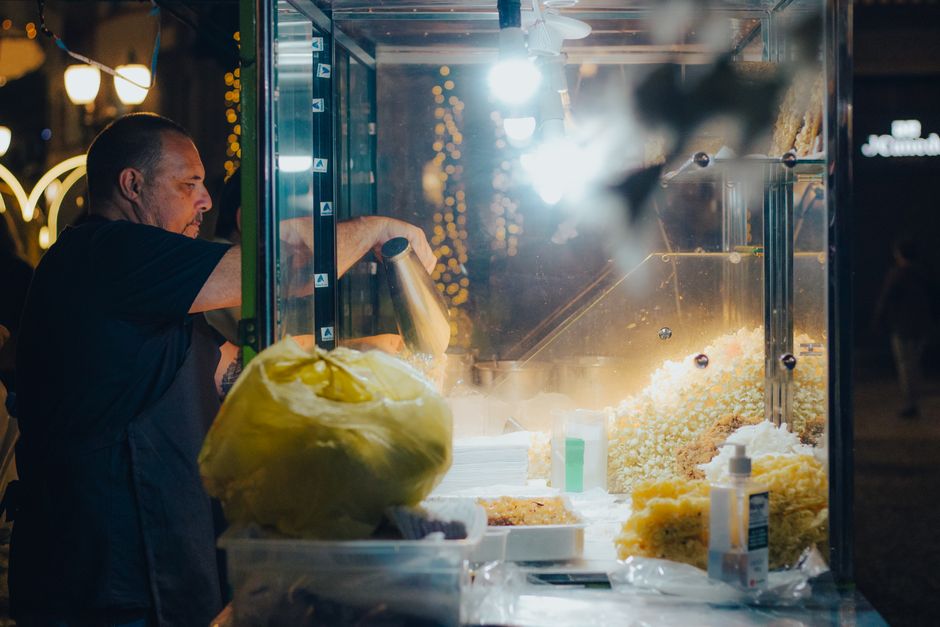
Starting a Mobile Popcorn Business in 2026
A mobile popcorn business is one of the most accessible and rewarding concessions you can launch. The equipment is portable, the product is universally loved, and the profit margins are strong. Whether you dream of setting up at farmers markets, festivals, school events, or corporate gatherings, a well-run popcorn cart or trailer can generate consistent income with relatively low overhead. This guide walks you through every stage of starting a mobile popcorn business in 2026 — from choosing your niche and equipment to pricing, permits, and marketing — so you can start popping for profit with confidence.
Why a Mobile Popcorn Business Makes Sense in 2026
Consumer demand for fresh, handmade snacks continues to grow, and event organizers are always looking for vendors who can deliver a memorable experience. Popcorn hits a sweet spot: it is inexpensive to produce, has a long shelf life for unpopped kernels, and carries margins that often exceed 80 percent on a per-bag basis. Kettle corn, in particular, offers a spectacle. The sizzle of the kettle, the aroma drifting across a crowd, and the sweet-and-salty flavor combine to pull customers in from a distance.

A mobile setup also keeps your fixed costs low. You are not paying rent on a storefront. You take your business to wherever the people are — a strategy that is especially powerful as community events, fairs, and pop-up markets expand across the United States, Europe, Australia, and beyond.
The Kettle Corn Advantage
Kettle corn differentiates you from ordinary popcorn vendors. It is cooked in a large kettle with oil, sugar, and salt, producing a distinctive sweet-and-salty taste that customers associate with fairs and festivals. Because it is made fresh in front of the crowd, it commands a premium price. Many successful operators build their entire brand around handmade kettle corn and fresh-squeezed lemonade, two products that pair perfectly and increase the average sale per customer.
Choosing the Right Equipment
Your equipment is the backbone of your business. The right machine will pop faster, produce a more consistent product, and look great while doing it.

Kettle Corn Poppers
If you are serious about kettle corn, invest in a dedicated kettle corn popper rather than a standard popcorn machine. Quality manufacturers craft these poppers from durable materials designed for fast, efficient popping during peak crowds. Modern aluminum kettle corn machines offer a high-performance alternative to older black kettles, combining reliability with an eye-catching appearance that gives your customers a show to remember — much like the machines featured in this professional kettle corn maker guide. A polished, professional-looking kettle also reinforces your pricing — people happily pay more when the setup looks premium.
Supporting Equipment and Accessories
Beyond the popper itself, you will need:
- Popcorn and supplies: high-quality kernels, popping oil, sugar, salt, and paper bags or tubs sized for event sales.
- A lemonade shaker setup: handmade Lemon Shakers let you serve fresh lemonade alongside your kettle corn, boosting revenue per customer.
- Storage and transport: sealed bins for kernels and supplies, plus a cart or trailer that protects your equipment in transit.
- Signage and lighting: clear menus, prices, and LED lighting so you are visible at evening events.
- Cash handling and payment: a secure cash box plus a card reader or mobile payment terminal, since many customers no longer carry cash.
Buying from a manufacturer that also supports your growth — offering accessories, parts, and business guidance — saves you time and frustration later.
Licenses, Permits, and Regulations
Mobile food vending is regulated, and requirements vary by state, county, and city. Before you sell your first bag, research the following:

- Business registration: register your business and obtain any required local business license.
- Health department permits: most jurisdictions require a food handler’s permit and a mobile food facility permit. Inspections may cover your cart, water supply, and sanitation practices.
- Event vendor applications: fairs and festivals usually require a vendor application, proof of insurance, and a fee. Apply early — popular events fill up months in advance.
- Liability insurance: a general liability policy is typically required by venues and is a smart protection for any food business.
- Sales tax and food tax permits: register where required and keep clear records for tax season.
- Fire and safety codes: propane and electrical equipment may need inspection, especially for indoor or covered events.
Rules differ dramatically between countries and regions. Operators in Japan, Guam, Australia, the Caribbean, Nova Scotia, Europe, Mexico, and Russia all work under their own local frameworks, so confirm your specific obligations with local authorities before launching.
Finding Your Locations and Events
A mobile popcorn business lives and dies by foot traffic. Start by mapping out recurring opportunities in your area:
- Farmers markets and flea markets
- County fairs, carnivals, and festivals
- School functions, sports games, and fundraisers
- Corporate events, grand openings, and brand activations
- Holiday markets, parades, and community celebrations
- Private parties, weddings, and birthday events
Build relationships with event organizers and offer to be their reliable, professional popcorn vendor. Repeat bookings are the fastest path to predictable revenue. You can also negotiate a regular spot at a high-traffic location, such as outside a busy retail center, where permitted.
Positioning for Maximum Sales
Set up where customers can see and smell the popping. Aromas sell popcorn better than any sign. Face your kettle toward the main flow of foot traffic, keep lines moving quickly, and offer clear package sizes: a small bag for impulse buyers and a larger bag or bucket for families.
Pricing, Costs, and Profit Potential
Popcorn is one of the highest-margin snack products you can sell. Kernels and oil cost very little per serving, so your main costs are equipment, permits, event fees, and your time.
A simple pricing framework:
- Small bag: an impulse-friendly price point for single customers.
- Large bag or bucket: a family-size option with a higher total ticket.
- Combo deal: kettle corn plus a fresh lemonade at a slight discount to raise average spend.
- Event bundles: bulk pricing for schools, offices, and parties.
Estimating Your Numbers
Suppose you sell 200 bags at an event at an average of $6 each. That is $1,200 in revenue for a single day, against ingredient costs of perhaps a few cents per bag plus your event fee. Even after subtracting fees, fuel, and supplies, the profit potential is substantial — and it scales as you book more events. Many operators start part-time on weekends and grow into full-time routes.
Track every sale and expense from day one. Knowing your actual cost per bag and your average event revenue lets you decide which events are worth repeating and where to raise prices.
Marketing Your Mobile Popcorn Business
You do not need a huge budget to attract customers. Focus on visibility and word of mouth.
- Branding: a memorable name, consistent colors, and clean signage build recognition across events.
- Social media: post short videos of the kettle in action. The popping and stirring process is naturally attention-grabbing and performs well on short-form video platforms.
- Local listings: claim your business profiles on map and review platforms so event planners can find you.
- Referral offers: give event organizers and repeat customers an incentive to recommend you.
- Sampling: a free small taste converts curious passersby into buyers almost instantly.
- Email list: collect addresses at events and announce where you will be next.
Consistency matters. Attend the same markets and fairs regularly so customers learn to expect you — and bring cash specifically for your kettle corn.
Scaling Your Operation
Once your single cart is profitable, you have several paths to grow:
- Add a second unit and hire a trusted operator for busy weekends.
- Expand your menu with flavored popcorn, caramel corn, or additional lemonade flavors.
- Serve wholesale accounts by supplying local shops, offices, and gift orders.
- Book larger festivals and multi-day events that generate higher volume.
- Offer party packages for birthdays, weddings, and corporate functions.
Each step builds on the systems you establish early: reliable equipment, clear pricing, fast service, and strong relationships with venues.
Conclusion
Starting a mobile popcorn business in 2026 is a practical, proven way to enter the food vending industry with low overhead and strong margins. The formula is straightforward: choose quality equipment, handle your permits, find high-traffic events, price for profit, and market consistently. Kettle corn gives you a product that is both profitable and entertaining, and a fresh lemonade shaker setup increases what each customer spends. For outdoor events specifically, a commercial popcorn machine for outdoor vending ensures you can keep up with demand in any weather.
Manufacturers like Kettle Corn Machine Company have helped hundreds of kettle corn businesses get popping worldwide, and their modern aluminum kettle corn poppers are built for performance, appearance, and the kind of show that keeps customers coming back. If you are ready to turn a simple snack into a thriving mobile business, there has never been a better time to start.
