Outdoor Cooking Equipment for Vendors
The outdoor vending industry continues to thrive in 2026, with food vendors seeking reliable, efficient equipment to serve customers at farmers markets, festivals, fairs, and special events. Whether you’re launching a new concession business or upgrading existing gear, selecting the right outdoor cooking equipment determines your success, profitability, and ability to deliver consistent quality in any weather condition.
From kettle corn poppers to grills, fryers, and beverage stations, today’s vendors need equipment that balances portability with performance. Modern outdoor cooking systems must withstand frequent transport, operate efficiently with limited power sources, and maintain food safety standards while delivering the speed necessary to serve long lines of hungry customers.
Essential Equipment Categories for Mobile Food Vendors
Outdoor vendors require specialized equipment designed specifically for mobile operations. Unlike restaurant kitchens with permanent infrastructure, concession equipment must be compact, durable, and adaptable to various outdoor environments. The most successful vendors invest in multi-functional equipment that maximizes limited space while maintaining high output capacity.

Portable cooking appliances form the foundation of any vending operation. These include propane-powered burners, electric griddles, deep fryers, and specialty equipment like kettle corn machines. Each category serves different menu types and customer preferences, with many vendors combining multiple equipment types to offer diverse product lines.
Temperature control remains critical for outdoor cooking. Unlike controlled kitchen environments, vendors face fluctuating ambient temperatures, wind, and humidity. Equipment with precise temperature regulation ensures consistent product quality whether you’re operating in summer heat or cool autumn weather. Look for units with wind guards, insulated cooking surfaces, and reliable ignition systems that perform in challenging conditions.
Kettle Corn Poppers and Specialty Concession Equipment
Kettle corn has become a staple at outdoor events, offering vendors excellent profit margins and the visual appeal of fresh preparation. Modern kettle corn poppers have evolved significantly from traditional black kettles, with aluminum models providing superior heat distribution and eye-catching aesthetics that draw customers.

High-quality kettle corn machines deliver fast, efficient popping while creating the entertainment value customers expect. The popping process itself becomes part of the experience, with the distinctive sound, aroma, and visual spectacle attracting foot traffic and encouraging impulse purchases. Professional-grade poppers maintain consistent temperatures throughout the cooking cycle, ensuring every batch achieves the perfect balance of sweet and salty flavoring with minimal burnt kernels.
When selecting a kettle corn popper, consider batch size capacity, heat source compatibility, and ease of cleaning. Vendors operating at high-volume events need equipment capable of producing multiple batches per hour without compromising quality. The best machines feature removable kettles for quick cleaning between batches, allowing you to maintain production pace during peak hours.
Beyond popcorn, complementary equipment like lemon shaker stations and beverage dispensers help vendors create complete product offerings. Fresh lemonade pairs naturally with kettle corn, and handmade preparation adds perceived value that justifies premium pricing. Quality beverage equipment with proper insulation keeps drinks cold throughout long event days without constant ice replenishment.
Power Sources and Energy Efficiency
Power availability varies dramatically across vending locations. Some events provide electrical hookups, while others require complete energy independence. Successful vendors plan for both scenarios with equipment offering flexible power options.
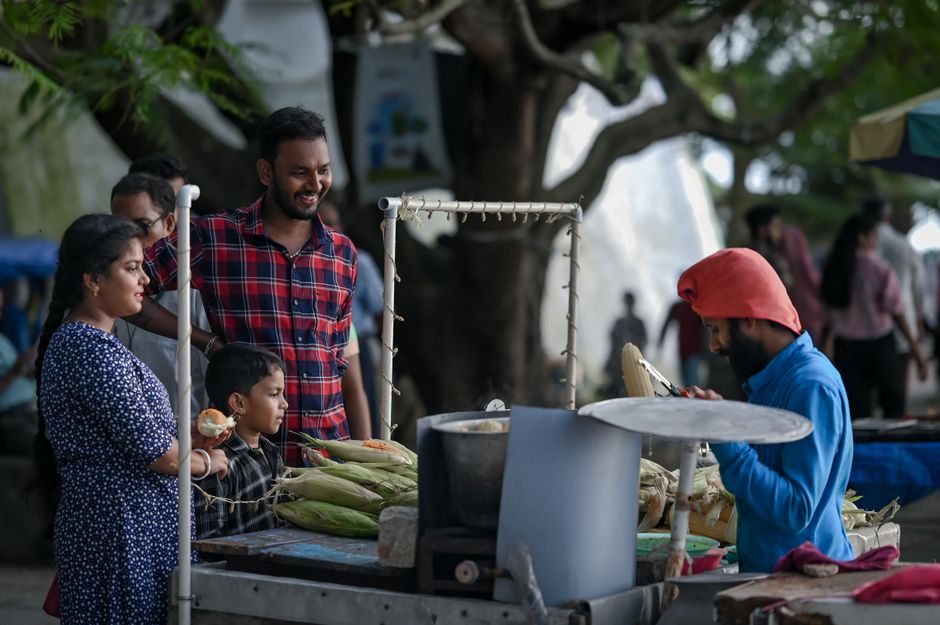
Propane-powered equipment offers the greatest flexibility for outdoor vendors. Propane provides consistent, powerful heat output regardless of location, and tanks are readily available at hardware stores and fuel suppliers. Modern propane burners feature improved safety mechanisms including automatic shutoff valves and tip-over protection. When working with propane, always maintain proper ventilation and follow local regulations regarding fuel storage and handling.
Electric equipment appeals to vendors with reliable power access, offering cleaner operation and eliminating fuel storage concerns. However, amperage requirements matter significantly. Before purchasing electric cooking equipment, verify your typical venues can supply adequate power. Many events limit vendors to 15 or 20-amp circuits, which constrains high-wattage appliances. Battery-powered equipment has improved in 2026, with high-capacity lithium systems supporting smaller appliances, though most cooking applications still require traditional power sources.
Energy efficiency directly impacts operating costs. Equipment with superior insulation and precise temperature control consumes less fuel or electricity per batch, improving profit margins over time. While efficient models may cost more initially, the fuel savings accumulate significantly across a busy vending season.
Durability and Weather Resistance
Outdoor cooking equipment endures harsh conditions that would quickly destroy standard kitchen appliances. Vendors need equipment built specifically for mobile outdoor use, with materials and construction techniques that withstand constant setup, breakdown, transport, and exposure to the elements.
Aluminum and stainless steel dominate quality outdoor cooking equipment. These materials resist corrosion from moisture and food acids while providing excellent heat conductivity. Aluminum offers lighter weight for easier transport, while stainless steel provides maximum durability for high-volume operations. Avoid equipment with excessive plastic components, which become brittle with repeated temperature cycling and UV exposure.
Weather protection features separate professional equipment from consumer-grade alternatives. Wind guards, sealed burner assemblies, and water-resistant electrical components ensure reliable operation in challenging conditions. Many vendors work through light rain or wind, and equipment must continue performing safely regardless of weather. Covered cooking surfaces and protective enclosures keep food preparation areas clean while maintaining optimal cooking temperatures.
Transportation durability matters as much as operational ruggedness. Equipment experiences vibration, impacts, and shifting during vehicle transport between events. Sturdy construction with reinforced mounting points, secure lids, and shock-resistant components prevents damage during transit. Detachable legs, folding components, and modular designs facilitate easier loading while reducing storage space requirements.
Food Safety and Sanitation Features
Food safety regulations apply equally to mobile vendors and permanent restaurants. Health departments expect outdoor cooking equipment to maintain proper food temperatures, prevent cross-contamination, and facilitate thorough cleaning. Equipment design significantly impacts your ability to meet these standards consistently.
Temperature monitoring capabilities are essential. Many jurisdictions require documented temperature logs proving food remained in safe zones throughout service. Equipment with built-in thermometers or accommodation for probe thermometers simplifies compliance. Digital temperature displays provide at-a-glance verification, helping you maintain food safety without constantly checking separate thermometers.
Cleaning accessibility determines how effectively you can sanitize equipment between events. Look for designs with removable cooking surfaces, drain ports, and smooth interiors without hard-to-reach crevices where food particles accumulate. Quick-disconnect components allow thorough cleaning without tools, saving time during busy event schedules. Equipment that breaks down completely for cleaning maintains better hygiene standards than permanently assembled units with limited access points.
Material selection impacts sanitation capabilities. Non-porous surfaces prevent bacterial growth and clean more effectively than porous materials. Stainless steel and aluminum meet health department standards and withstand repeated sanitizing without degrading. Avoid equipment with exposed wood or porous coatings that absorb liquids and harbor bacteria.
Budget Considerations and Return on Investment
Equipment costs represent the largest initial investment for new vendors. While budget constraints matter, focusing solely on purchase price overlooks total cost of ownership. Quality equipment delivers better return on investment through longevity, reliability, and operational efficiency.
Calculate equipment costs against revenue potential. A kettle corn popper producing consistent batches at peak events can generate substantial income, often recovering its cost within the first season. Consider production capacity relative to your target events. Equipment that cannot meet customer demand during busy periods limits revenue regardless of low purchase price. Conversely, oversized equipment appropriate for massive festivals wastes resources at smaller venues where compact units suffice.
Maintenance and repair costs accumulate over equipment lifespan. Professional-grade equipment typically offers superior parts availability and simpler repairs compared to consumer models. Equipment backed by manufacturer support, including replacement parts and technical assistance, protects your investment by minimizing downtime when issues arise. Vendors operating internationally have successfully sourced quality equipment from manufacturers offering global support networks, ensuring assistance regardless of location.
Used equipment presents opportunities for budget-conscious vendors but requires careful evaluation. Inspect used cooking equipment thoroughly for wear, damage, and compliance with current safety standards. Verify all safety features function properly and components show no signs of dangerous deterioration. Sometimes, investing in new equipment provides better value than used units requiring immediate repairs or modifications.
Conclusion
Selecting outdoor cooking equipment for vendor operations requires balancing performance, durability, portability, and cost. The right equipment supports efficient operations, maintains food safety standards, and delivers consistent product quality that builds customer loyalty. Modern specialty equipment like aluminum kettle corn poppers combines functionality with visual appeal, creating experiences that differentiate successful vendors from competitors. Whether starting a new concession business or expanding existing operations, investing in quality outdoor cooking equipment designed specifically for mobile vending establishes the foundation for long-term profitability and growth in 2026’s competitive outdoor food service market.
