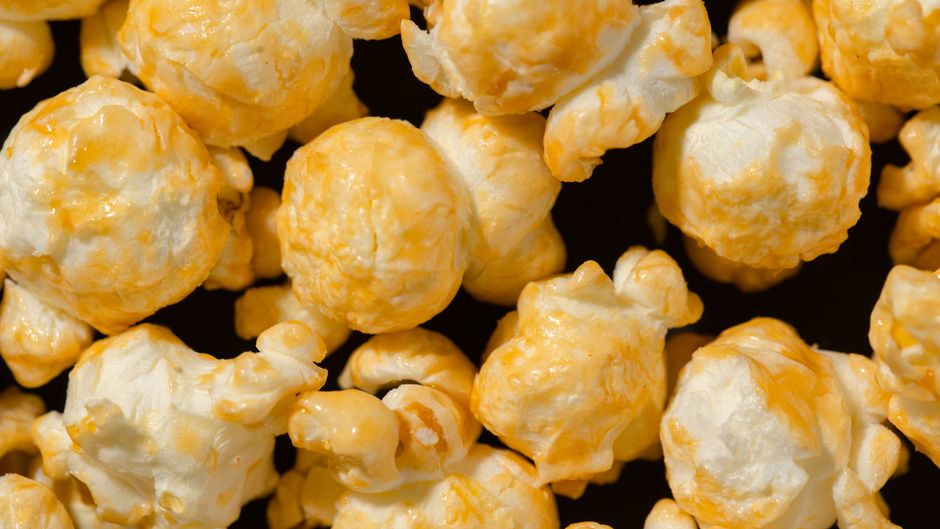
Kettle Corn vs Regular Popcorn: What’s the Difference?
Few snacks stir up nostalgia quite like a warm bag of popcorn. But walk through any fairground, farmer’s market, or festival in 2026 and you’ll likely spot two distinct varieties side by side: the light, buttery classic and the sweet-salty, crave-worthy treat known as kettle corn. They look similar, they both pop from corn kernels, and they both come in a bag—so what’s actually the difference?
Whether you’re a curious snacker, a home-popping enthusiast, or someone exploring the concession business, understanding kettle corn vs regular popcorn matters. The two differ in ingredients, cooking method, flavor, texture, and even their place in the snack world. Let’s break it all down.
What Is Regular Popcorn, Exactly?
Regular popcorn starts with a simple truth: it’s just popped corn. A corn kernel contains a small amount of moisture inside a hard outer shell. When heated, that moisture turns to steam, pressure builds, and the kernel bursts open—turning itself inside out into the fluffy shape we all recognize.

Traditional regular popcorn is typically made with:
- Popcorn kernels
- Butter or oil
- Salt
That’s the baseline. From there, regular popcorn branches into countless variations: movie-theater style with butter-flavored topping, air-popped with nothing but hot air, lightly salted, cheese-dusted, or caramel-coated. Its defining trait is versatility—regular popcorn is a blank canvas.
In terms of flavor, regular popcorn leans savory. It’s salty, buttery, and light. The texture is crisp and airy, with each piece delivering a clean, dry crunch that doesn’t linger on the fingers.
What Makes Kettle Corn Different?
Kettle corn shares the same foundation as regular popcorn—it’s popped corn—but the resemblance largely ends there. The key difference comes down to one ingredient added at the right moment: sugar. For a deeper look at its origins and characteristics, see what is kettle corn and how it’s made.

Kettle corn is made by heating oil in a large kettle, adding kernels, and then introducing sugar while the corn pops. The sugar melts and coats the kernels as they burst, creating that signature sweet-and-salty flavor and a light, glossy glaze. The result is a snack that’s simultaneously sweet, salty, and impossible to stop eating.
The cooking method matters just as much as the ingredients. Traditional kettle corn is stirred constantly in a heavy kettle over high heat to keep the sugar from burning and to distribute the coating evenly. This is why kettle corn is so closely associated with live popping demonstrations—the process itself is part of the appeal. If you’d like to try it yourself, this kettle corn recipe walks through the sweet and salty process step by step.
Kettle Corn vs Regular Popcorn: A Side-by-Side Comparison
- Ingredients: Regular popcorn uses oil and salt; kettle corn adds sugar to the kettle.
- Flavor: Regular is savory and buttery; kettle corn is sweet and salty.
- Texture: Regular is dry and crisp; kettle corn has a light, crunchy glaze.
- Cooking method: Regular can be air-popped, stovetop-popped, or machine-popped; kettle corn is traditionally made in a large kettle with constant stirring.
- Aroma: Kettle corn has a distinct caramelized sweetness that draws a crowd.
- Best served: Both are best fresh, but kettle corn is famously at its peak warm from the kettle.
The Flavor and Texture Difference in Detail
The flavor contrast is the most obvious distinction. Regular popcorn is savory-first. Whether you’re enjoying a bowl at home or grabbing a bucket at the movies, the experience is about buttery richness and salt. Kettle corn flips the script by balancing sweetness with salt, creating a flavor profile that satisfies multiple cravings at once.
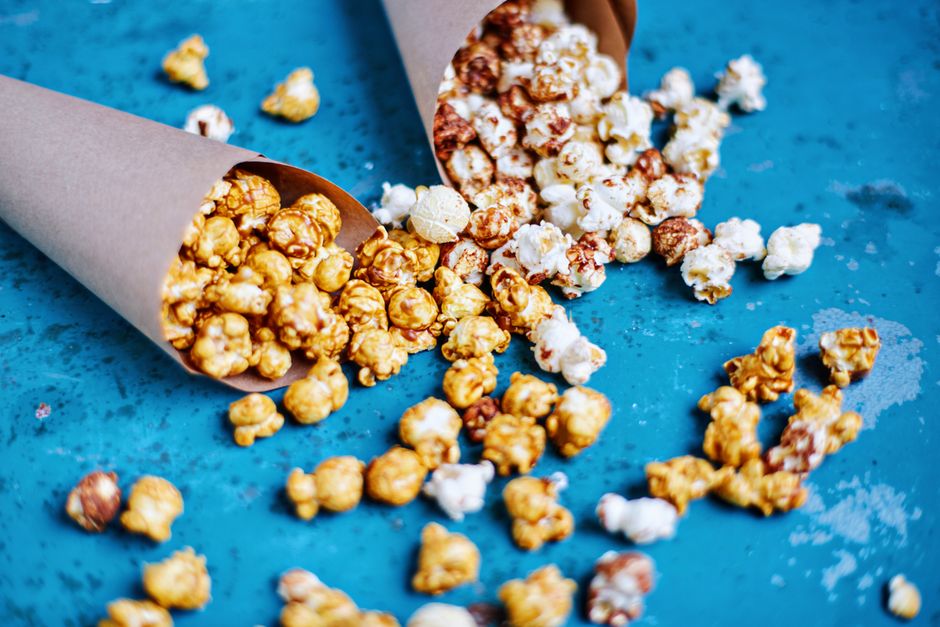
Texture tells the story too. Regular popcorn is airy and dry—it crunches and then dissolves. Kettle corn has a thin, candy-like shell from the melted sugar, giving each piece a slightly denser, more satisfying crunch. That glaze also means kettle corn can feel a bit stickier on the fingers, especially when it’s fresh and warm.
There’s also an aromatic element that’s easy to overlook. The smell of kettle corn popping—sugar caramelizing in hot oil—is one of the most recognizable food aromas at any outdoor event. It’s practically a marketing tool on its own.
Nutrition and Ingredients: How Do They Stack Up?
Nutritionally, the two snacks are closer than their flavors suggest, but there are meaningful differences.
Regular popcorn—particularly air-popped or lightly oiled versions—is a whole-grain snack that’s relatively low in calories and high in fiber. It can be a genuinely healthy choice when it isn’t drenched in butter or artificial toppings.
Kettle corn adds sugar to the equation, which means more calories and more carbohydrates per serving. It’s still popcorn at its core, so it retains some of that whole-grain goodness, but the sugar coating pushes it firmly into “treat” territory rather than “everyday snack.”
For anyone watching sugar intake, regular popcorn offers more flexibility. For anyone who wants a decadent, satisfying snack, kettle corn delivers in a way plain popcorn simply can’t.
Why Kettle Corn Dominates at Fairs and Festivals
There’s a reason kettle corn has become a staple of fairs, festivals, and farmers markets. Part of it is flavor—the sweet-salty combination is broadly appealing and a little addictive. But a bigger part is the experience.
Kettle corn is often popped on-site in large kettles, giving customers a front-row seat to the process. The aroma travels, the sound of popping draws attention, and the sight of a steaming kettle fills with fluffy corn creates anticipation. It’s entertainment and food wrapped into one, which makes it a natural fit for concession stands and event vendors.
This is also why kettle corn businesses have flourished around the world—from the United States and Canada to Japan, Australia, Europe, Mexico, and beyond. Vendors who can produce fresh kettle corn quickly and consistently have a built-in draw that regular popcorn simply doesn’t offer in the same way.
Modern kettle corn machines are designed to make that experience even more engaging. High-performance aluminum kettles, for example, offer a clean, modern look that stands out from the older black kettles many customers are used to—turning the popping process into a show worth watching while delivering fast, efficient results. To compare machine options, explore this specialty popcorn equipment guide.
Which One Should You Choose?
There’s no wrong answer here—it depends on what you’re after.
- Choose regular popcorn if you want a lighter, savory snack, more control over toppings, or a lower-sugar option for everyday munching.
- Choose kettle corn if you’re craving something sweet and salty, want a crowd-pleasing treat for an event, or love the fresh-popped, warm-from-the-kettle experience.
For home poppers, regular popcorn is easier to experiment with at low cost. For anyone considering a concession business or event stand, kettle corn offers a distinctive product, a crowd-drawing aroma, and a memorable customer experience that’s hard to replicate with plain popcorn.
A Note for Aspiring Kettle Corn Vendors
If the appeal of kettle corn has you thinking about starting a concession business, the equipment you choose matters more than most people realize. A quality kettle corn machine should pop efficiently, look great in front of a crowd, and hold up to the demands of regular use. Pairing a reliable popper with complementary offerings—like handmade lemonade—can turn a single product into a full event experience that keeps customers coming back. This event food vendor startup guide covers the essentials for launching successfully.
Conclusion
Kettle corn and regular popcorn share the same humble beginning—a kernel, some heat, and a satisfying pop—but they take very different paths from there. Regular popcorn is the versatile, savory classic, equally at home in a movie theater or on your couch. Kettle corn is the sweet-salty showstopper, born in a kettle and best enjoyed fresh, warm, and surrounded by the buzz of a crowd.
Understanding the difference isn’t just trivia—it helps you choose the right snack for the moment, whether you’re filling a bowl at home or planning your next big concession venture. And in 2026, with kettle corn culture thriving at events around the world, there’s never been a better time to appreciate what a little sugar, salt, and a well-made kettle can do.
