
How to Make a Successful Food Stand in 2026
Starting a food stand business can be an exciting and profitable venture in 2026. Whether you’re considering a kettle corn operation, lemonade stand, or another specialty food concept, success requires careful planning, quality equipment, and smart business strategies. This comprehensive guide walks you through everything you need to know to build a thriving food stand business.
Choose the Right Product and Niche
The foundation of any successful food stand starts with selecting the right product. Focus on items that offer high profit margins, simple preparation, and strong customer appeal. Kettle corn and handmade lemonade are excellent choices because they require minimal ingredients, have universal appeal, and can be prepared quickly during high-traffic periods.

Consider your target market and location. Family-friendly products work exceptionally well at farmers markets, festivals, and community events. The aroma of freshly popped kettle corn naturally attracts customers and creates a sensory experience that drives sales. Similarly, fresh-squeezed lemonade offers visual appeal when prepared in front of customers.
Research your competition in your intended locations. While some competition validates market demand, you want to ensure you can differentiate your offerings through quality, presentation, or unique flavor variations. Test your products with friends and family before investing heavily in equipment and inventory.
Invest in Quality Equipment
Your equipment directly impacts product quality, production efficiency, and customer perception. Cutting corners on equipment often leads to inconsistent products, frequent breakdowns, and lost revenue during peak selling times.

Modern aluminum kettle corn machines offer significant advantages over traditional black kettles. They provide better heat distribution for consistent popping, create an attractive visual presentation that draws customers, and typically operate more efficiently. Quality kettle corn poppers should heat quickly, maintain consistent temperatures, and produce minimal waste.
Look for equipment built from durable materials designed for frequent use in various weather conditions. Your machines will face heat, humidity, and constant transportation, so commercial-grade construction is essential. Equipment should also be easy to clean and maintain, as hygiene directly impacts both product quality and health department compliance.
Consider the full range of accessories you’ll need: propane tanks and regulators, serving containers, ingredient storage, payment processing systems, and display materials. Planning your complete setup prevents costly gaps when you’re ready to launch.
Performance and Presentation Matter
In 2026, customers expect an experience, not just a product. Equipment that allows customers to watch the popping process creates entertainment value and builds trust in your product’s freshness. Modern, well-maintained equipment also signals professionalism and quality, justifying premium pricing.
Secure Permits and Meet Regulations
Operating legally protects your business and builds customer confidence. Requirements vary by location, but most food stands need several key permits and licenses.
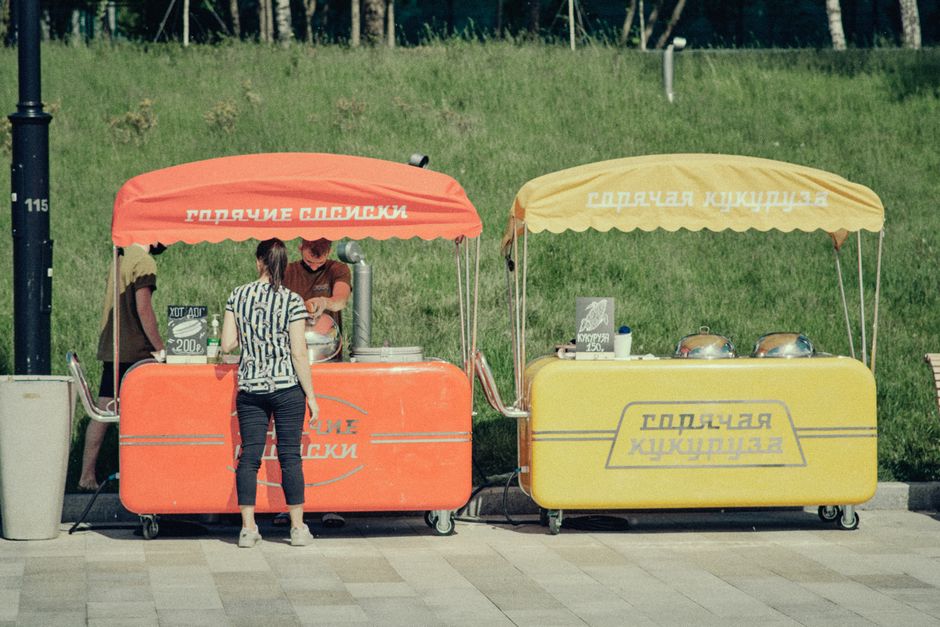
Start with your local health department to understand food handler requirements, equipment specifications, and operational standards. Most jurisdictions require food handler certifications for all staff members. These certifications typically involve completing a food safety course covering proper hygiene, temperature control, and contamination prevention.
Business licenses and vendor permits are essential. Many cities require general business licenses plus specific permits for each location where you operate. Farmers markets, festivals, and public events often have individual vendor applications with specific insurance and equipment requirements.
Liability insurance is critical. Most events require proof of general liability insurance with minimum coverage amounts, typically starting at one million dollars. This coverage protects you if someone claims injury or illness related to your stand.
Some locations require sales tax permits, and you’ll need to understand your obligations for collecting and remitting taxes. Consulting with an accountant familiar with food vending businesses can help you navigate these requirements efficiently.
Master Your Locations and Marketing
Location drives food stand success more than almost any other factor. The best product with premium equipment still fails without sufficient foot traffic and the right customer demographics.
Research local farmers markets, festivals, fairs, sporting events, concerts, and community gatherings. Visit potential locations as a customer first to assess foot traffic, competition, vendor fees, and the overall atmosphere. The best locations offer high traffic, long event durations, and customers in a spending mindset.
Build relationships with event organizers. Many successful food stand operators secure recurring spots at weekly farmers markets or annual festivals, creating predictable revenue streams. Being reliable, professional, and easy to work with can lead to referrals for additional opportunities.
Develop a recognizable brand identity with consistent signage, packaging, and messaging. Your stand’s appearance should be clean, attractive, and professional. Invest in quality banners, menu boards, and branded packaging that reinforce your commitment to quality.
Leverage Social Media and Customer Relationships
Create social media accounts to announce your locations, share behind-the-scenes content, and engage with customers. Many successful vendors build followings that track their locations and become regular customers. Share your schedule consistently so customers know where to find you.
Collect customer contact information when possible through loyalty programs or email lists. Direct communication allows you to announce special promotions, new flavors, or private event availability.
Focus on Operations and Efficiency
Smooth operations maximize sales during peak periods and improve profitability. Develop systems for setup, production, customer service, and breakdown that your team can execute consistently.
Preparation is crucial. Arrive early enough to set up completely before customers arrive. Pre-measure ingredients when possible to speed production during busy times. Keep your workspace organized so you can find everything quickly.
Train staff thoroughly on product preparation, customer service, and money handling. Consistency in product quality and friendly service builds repeat customers. Everyone on your team should be able to answer common questions about ingredients, preparation methods, and nutritional information. For general guidance on nutrition, resources like USDA MyPlate and NHS Eat Well offer helpful information for discussing balanced eating with health-conscious customers.
Manage inventory carefully to minimize waste while avoiding stockouts during peak sales. Track which products sell best at different locations and times, adjusting your inventory accordingly. Weather, local events, and even time of year impact sales patterns.
Accept multiple payment methods. While cash remains important, card readers and mobile payment apps are increasingly expected in 2026. Every payment method you decline costs potential sales.
Price for Profit and Growth
Strategic pricing balances competitive rates with healthy profit margins. Calculate your complete costs including ingredients, equipment depreciation, permits, transportation, and labor. Your prices must cover these costs while providing profit for reinvestment and income.
Don’t compete solely on price. Competing on quality, freshness, and experience allows you to maintain margins that support business growth. Premium products justify premium pricing when customers perceive clear value.
Consider offering different sizes or bundles that increase average transaction values. Upselling complementary products like pairing kettle corn with lemonade can significantly boost revenue per customer.
Monitor your costs regularly and adjust prices as needed. Ingredient costs, fuel prices, and permit fees change over time, and your pricing should reflect current realities while remaining competitive.
Conclusion
Building a successful food stand in 2026 requires combining quality products, professional equipment, strategic location selection, and efficient operations. By investing in top-quality kettle corn machines and accessories designed for performance and visual appeal, you create the foundation for a business that stands out. Focus on legal compliance, customer experience, and continuous improvement to build a profitable venture. The food stand business offers flexibility, relatively low overhead compared to traditional restaurants, and the opportunity to be your own boss. With careful planning and execution, your food stand can become a thriving business serving communities locally and potentially expanding to multiple locations. Success comes from dedication to quality, understanding your market, and consistently delivering experiences that keep customers coming back.
