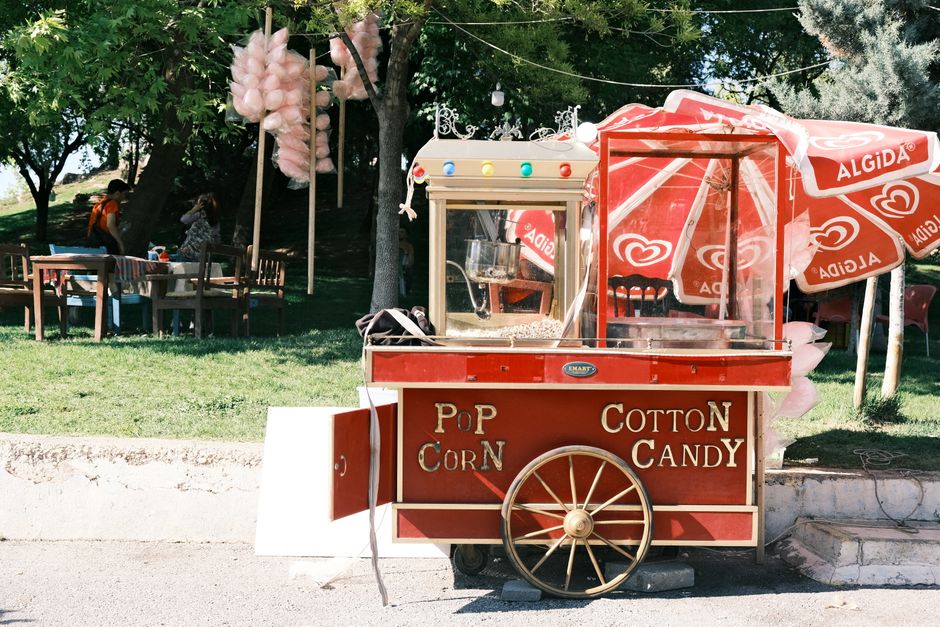
Food Cart Popcorn Machine: 2026 Buyer’s Guide
Few sights draw a crowd faster than a gleaming food cart popcorn machine spinning out fresh-popped corn at a fair, festival, or farmers’ market. If you are considering a kettle corn or popcorn concession, the machine you choose shapes everything: your output speed, your operating costs, your cart’s appearance, and ultimately your profit margin. This guide walks you through how these machines work, what separates a great one from a mediocre one, how to choose the right model, and how to turn popcorn into a real business in 2026.
What Is a Food Cart Popcorn Machine?
A food cart popcorn machine is a self-contained popping unit designed to be mounted on or built into a mobile cart. Unlike a countertop home popper, these machines are engineered for continuous commercial use, often producing dozens of batches per day. They typically include a heated kettle, a popping chamber with a lid, a warming deck, and a cabinet or cart that holds supplies and displays finished product.

Two broad categories dominate the market:
- Kettle corn machines — built around a large, stirred kettle that cooks corn in oil and sugar, producing the sweet-and-salty kettle corn that customers line up for.
- Traditional popcorn poppers — often using hot air or a heated oil kettle, producing classic salted or buttered popcorn.
Many vendors run both styles, but kettle corn is the higher-margin option at most events because of its novelty, aroma, and perceived freshness. This is why kettle corn equipment has become the workhorse of modern mobile concession businesses worldwide.
How a Cart-Mounted Kettle Corn Machine Works
Understanding the mechanics helps you evaluate quality when you shop. Here is the basic sequence:

- Heating: The kettle is brought to temperature using propane, electric, or gas heat depending on the model.
- Loading: Oil, corn, and sugar are added in the right order and ratio.
- Stirring: A motorized agitator keeps kernels moving so they pop evenly and the sugar doesn’t scorch.
- Popping: As the corn reaches temperature, it bursts rapidly, expanding to fill the kettle and lid area.
- Dumping: The operator tilts the kettle to release the finished batch onto the warming deck or into a holding bin.
- Holding and serving: A heated deck or warming element keeps the popcorn crisp and ready for bagging.
Each of these steps introduces a failure point in cheap equipment. Thin kettles scorch sugar, weak motors jam, and poor insulation lets popcorn go stale quickly. Commercial-grade machines solve these problems with heavier materials and better engineering, and you can learn more in this professional kettle corn maker guide.
Aluminum vs. Traditional Black Kettles
For decades, most kettle corn machines featured black kettles. That is changing. Modern aluminum kettle corn machines offer a lighter, faster-heating alternative with a bright, polished look that attracts attention on the midway.

Key differences to weigh:
- Heat transfer: Aluminum conducts heat quickly and evenly, which can shorten batch times and reduce scorching.
- Weight: Lighter kettles are easier on tilt mechanisms and simpler to clean and service.
- Appearance: A shining aluminum kettle and cart creates a show customers can watch, which is a major sales driver at events.
- Durability: High-quality aluminum kettles, properly cared for, hold up well over years of heavy commercial use.
The visual element matters more than many new vendors expect. A polished, modern cart signals freshness and quality; a battered black kettle signals an operation that may be past its prime. In a competitive concession environment, presentation sells.
How to Choose the Right Machine for Your Cart
Before you buy, run through these questions:
1. What is your expected volume?
A weekend farmers’ market needs far less capacity than a state fair booth running twelve hours a day. Match kettle size to your busiest expected day, then add a margin.
2. What power source is available?
Propane offers freedom from outlets and is common at outdoor events. Electric models are cleaner and quieter but require reliable power. Many carts combine both, or use propane for popping and electricity for lights and warmers.
3. How mobile does it need to be?
Consider cart weight, wheel type, and whether you will tow, push, or van-transport the unit. A machine that is hard to move becomes a machine that stays in the garage.
4. What is the total cost of ownership?
Look beyond the sticker price: replacement parts availability, kettle lifespan, fuel consumption, and cleaning time all affect your real cost per bag of popcorn.
5. Does the manufacturer support you after the sale?
Parts, service advice, and operational guidance matter enormously in year one, when you are still learning the rhythm of events. Established manufacturers who have helped vendors across the USA, Europe, Japan, Guam, Australia, the Caribbean, Nova Scotia, Mexico, and Russia understand the practical problems you will face.
Building a Profitable Popcorn and Lemonade Cart
Popcorn alone can be a solid business, but the classic combination of kettle corn and fresh-squeezed lemonade is a proven margin booster. If you want to expand your offerings, this guide to lemonade stand business supplies covers everything you need to get started. Here is why the pairing works:
- Complementary price points: Customers who buy popcorn often add a drink; a drink-only customer often adds popcorn.
- Shared equipment needs: Both fit on a single cart footprint, reducing your setup and transport burden.
- Theater: Handmade lemon shakers and spinning popcorn kettles both draw a crowd, and crowds attract more customers.
- Higher ticket average: Bundling raises the average sale without raising your fixed costs.
Practical tips for 2026:
- Price for profit, not popularity. Calculate your cost per bag including corn, oil, sugar, bags, fuel, and labor, then set prices at a healthy multiple.
- Offer sizes. Small, medium, and large bags let customers self-select and increase average spend.
- Use smell as marketing. Pop continuously during peak hours; the aroma does more advertising than any sign.
- Keep it fresh. A quality warming deck keeps product crisp, which protects your reputation and reduces waste.
- Book events early. Festivals, fairs, and markets increasingly fill vendor slots months ahead; apply early and build a repeat-client base.
It should also go without saying that food safety and cleanliness are non-negotiable. Handwashing, safe food handling, and clean equipment protect your customers and your business. For general nutrition and food guidance that is useful when talking to customers about your product, see the NHS Eat Well resources and the USDA MyPlate framework — both are handy references if you plan to offer nutritional information or lighter options.
Maintenance, Safety, and Long-Term Value
A popcorn cart is a working machine, and how you treat it determines how long it serves you.
- Clean the kettle after every event. Sugar residue hardens and causes scorching and off-flavors.
- Check the stirrer and tilt mechanism regularly. These are the most common wear points.
- Inspect hoses and connections on propane models before every use, and follow the manufacturer’s safety instructions exactly.
- Store covered and dry. Moisture is the enemy of popcorn machines, both for the electronics and for the finish.
- Keep spare parts on hand. A cheap spare part on the shelf saves a lost weekend of sales.
Buying from a manufacturer that specializes in popcorn and kettle corn equipment — rather than a general concession supplier — typically means better parts availability, more relevant advice, and machines designed specifically for the demands of mobile vending. For a deeper look at the full equipment list, this kettle corn business equipment guide breaks down every essential item.
Conclusion
A food cart popcorn machine is more than equipment; it is the centerpiece of a small business that can travel to where the customers are. In 2026, the best setups combine a fast, even-heating kettle (aluminum models are leading the way), a well-built cart that looks as good as it performs, and a product mix such as kettle corn and handmade lemonade that raises your average sale. Choose a machine matched to your volume, power situation, and mobility needs, buy from a manufacturer that supports you after the sale, and treat maintenance and food safety as seriously as your marketing. Do those things, and your cart will not just pop corn — it will pop profits.
