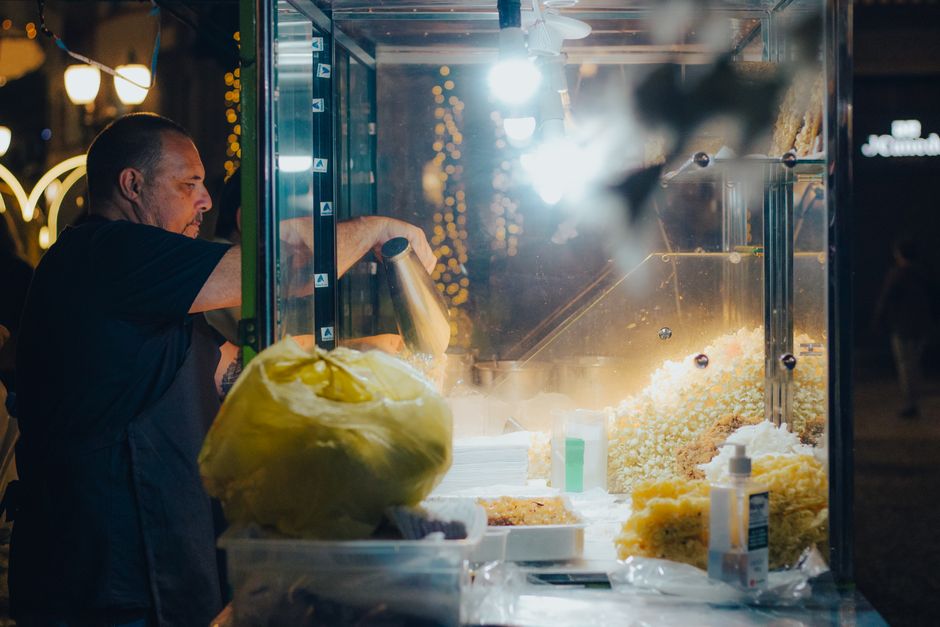
Durable Equipment for Food Vendors in 2026
Starting and maintaining a successful food vending business requires more than just great recipes and customer service. The foundation of any thriving concession operation is built on reliable, durable equipment that can withstand the rigors of daily use, outdoor conditions, and high-volume production. As we move through 2026, food vendors face increasing competition and customer expectations, making the choice of equipment more critical than ever.
Whether you’re launching a kettle corn stand, operating a mobile lemonade cart, or running a full-scale concession trailer, investing in quality equipment from the start can mean the difference between a profitable business and constant repairs, replacements, and lost revenue. This comprehensive guide explores what makes food vending equipment truly durable and how to select gear that will serve your business for years to come.
Why Durability Matters in Food Vending Equipment
Food vending is a demanding business. Your equipment faces exposure to heat, moisture, temperature fluctuations, and continuous operation during peak seasons. Unlike restaurant equipment that operates in controlled indoor environments, concession gear often endures harsh outdoor conditions at festivals, farmers markets, fairs, and street corners.

Durable equipment delivers several critical advantages. First, it reduces downtime and repair costs. When your popper or mixer breaks down during a busy weekend event, you’re not just paying for repairs—you’re losing sales opportunities that may never return. Second, quality equipment maintains consistent performance, ensuring your products taste the same whether you’re making your first batch or your hundredth of the day.
Furthermore, durable equipment protects your reputation. Customers expect reliable service and consistent quality. Equipment failures can lead to long wait times, inconsistent products, or worst of all, being unable to serve customers at all. Your equipment is an investment in your brand’s reliability and your ability to deliver exceptional experiences every single time.
Material Quality and Construction Standards
The materials used in food vending equipment directly impact longevity and performance. Stainless steel and high-grade aluminum have become industry standards for good reason—they resist corrosion, withstand high temperatures, and maintain structural integrity through years of use.

Modern aluminum kettle corn machines represent a significant advancement over traditional black iron kettles. These contemporary designs offer superior heat distribution, lighter weight for easier transport, and an attractive appearance that turns popping into entertainment. The aluminum construction resists rust and corrosion while providing the thermal properties needed for perfect popping every time.
When evaluating equipment, examine welds, seams, and joints carefully. Quality construction features smooth, even welds without gaps or rough edges. Components should fit together precisely, and moving parts should operate smoothly without excessive play or wobbling. Handles, legs, and support structures deserve particular attention since these endure constant stress during transport and setup.
Electrical components and heating elements require special consideration. Look for equipment with UL-listed or similarly certified electrical systems. Heating elements should be replaceable and rated for commercial use. Gas-powered equipment should feature reliable ignition systems and safety shutoffs that function properly even after thousands of uses.
Performance Features That Extend Equipment Life
True durability goes beyond just sturdy construction. Well-designed equipment includes features that reduce wear and extend operational life. Temperature controls that maintain consistent heat prevent hotspots that can warp kettles or burn products. Properly sized motors and pumps that aren’t constantly running at maximum capacity last significantly longer than undersized components working overtime.

Easy-to-clean designs contribute substantially to equipment longevity. Food residue and buildup accelerate corrosion and mechanical wear. Equipment with removable parts, accessible interiors, and smooth surfaces without crevices where food can accumulate will serve you better year after year. The time you save on cleaning translates directly into more profitable operating hours.
Mobility features also affect durability. Equipment designed for food vending should include robust wheels or casters that handle uneven terrain, secure locking mechanisms, and properly balanced weight distribution. A popper that tips easily during transport will suffer damage far sooner than one engineered with stability in mind.
Choosing Equipment for Your Specific Vending Needs
Not all durable equipment suits every vendor’s needs. A weekend market operator requires different features than someone running daily operations from a permanent location. Consider your specific use case when selecting equipment.
For mobile vendors who frequently transport equipment, weight and portability matter tremendously. Lighter aluminum construction offers easier handling without sacrificing durability. Quick-disconnect fittings, collapsible components, and integrated handles make setup and teardown faster and reduce the physical strain that can lead to accidents and damage.
Volume capacity should match your typical production needs with some room to grow. A popper that’s too small forces you to run constant batches, increasing wear on all components. Conversely, oversized equipment consumes more energy and takes longer to reach operating temperature, reducing efficiency. Finding the sweet spot ensures your equipment operates in its optimal range most of the time.
Vendors serving health-conscious customers should consider how their equipment aligns with modern dietary trends. While kettle corn and lemonade are treats, understanding broader nutrition guidance from resources like USDA MyPlate or NHS Eat Well can inform portion sizes and how you position your products within a balanced lifestyle.
Maintenance Practices That Maximize Equipment Lifespan
Even the most durable equipment requires proper maintenance to achieve its full lifespan potential. Developing consistent maintenance routines prevents small issues from becoming major failures and keeps your equipment operating at peak performance.
Daily cleaning should be non-negotiable. After each operating session, thoroughly clean all food-contact surfaces, remove any residue from heating elements, and wipe down exteriors. This simple practice prevents buildup that causes corrosion and mechanical problems. Use cleaning products appropriate for your equipment’s materials—harsh chemicals can damage protective coatings and finishes.
Weekly maintenance should include deeper inspections. Check all electrical connections for signs of wear or corrosion. Lubricate moving parts according to manufacturer specifications. Inspect gas lines and connections for leaks. Test safety features like thermostats and shutoff valves to ensure they’re functioning correctly.
Seasonal preparation extends equipment life significantly. Before storing equipment for the off-season, clean it thoroughly, perform any needed repairs, and store it in a dry, protected environment. Before the season begins, run through a complete inspection and test operation to identify any issues before you’re in the middle of a busy event.
Keep detailed maintenance records. Documenting when you performed maintenance, replaced parts, or noticed unusual performance helps you identify patterns and anticipate future needs. This information proves invaluable when troubleshooting problems or deciding whether to repair or replace equipment.
The Business Case for Quality Equipment Investment
Quality, durable equipment represents a higher upfront investment, but the long-term financial benefits are substantial. Calculate total cost of ownership rather than just purchase price. Cheap equipment that requires replacement every year or two costs far more than quality equipment that operates reliably for a decade or longer.
Consider opportunity costs as well. Equipment downtime during your busy season doesn’t just cost repair money—it represents lost revenue you can never recover. A busy Saturday at a festival might generate more income than an entire week of slower periods. Missing even one such event due to equipment failure can erase any savings from buying cheaper gear.
Durable equipment also supports business growth. As your operation expands, reliable equipment that can handle increased volume gives you flexibility to pursue new opportunities without constant equipment upgrades. The confidence that comes from knowing your equipment will perform allows you to commit to events, build customer relationships, and develop a reputation for reliability.
Many successful vendors have built their businesses on equipment that serves them year after year across multiple markets and countries. From operations in Japan and Australia to vendors across the USA and Europe, the common thread among thriving concession businesses is their commitment to quality equipment that delivers consistent results.
Future-Proofing Your Food Vending Business
As we progress through 2026, food vending continues evolving with changing consumer preferences, new health regulations, and advancing technology. Selecting durable equipment means choosing gear that can adapt to these changes without becoming obsolete.
Look for equipment with modular designs that allow upgrades and modifications. Features like interchangeable kettles, adjustable heating elements, and expandable configurations let you adapt to new products or production methods without replacing entire systems. This flexibility ensures your equipment investment remains relevant as your business evolves.
Energy efficiency continues growing in importance, both for reducing operating costs and meeting environmental expectations. Modern aluminum equipment often provides better heat retention and distribution, reducing fuel or electricity consumption while maintaining performance. These savings compound over years of operation, improving your bottom line while reducing environmental impact.
Consider equipment that enhances customer experience beyond just producing food. Attractive, modern designs that allow customers to watch the production process create entertainment value that justifies premium pricing and builds customer loyalty. Equipment that looks professional and well-maintained reinforces your brand’s quality message.
Finally, partner with manufacturers and suppliers who support long-term success through available parts, service support, and business guidance. The right equipment supplier becomes a partner in your success, offering insights, troubleshooting assistance, and access to a community of fellow vendors who share experiences and best practices.
Conclusion
Durable equipment for food vendors forms the backbone of every successful food vending business. By investing in quality construction, appropriate materials, and designs suited to your specific needs, you create a foundation for reliable operations and sustainable growth. Proper maintenance practices extend this durability even further, ensuring your equipment delivers consistent performance season after season.
The food vending industry rewards those who prioritize quality and reliability. Whether you’re popping kettle corn, serving handmade lemonade for profit, or offering other concession favorites, the right equipment helps you stand out from competitors, satisfy customers, and build a profitable business that thrives for years to come. For those just getting started, a Concession Stand Startup Guide for 2026 can be an invaluable resource. While physical activity guidance from sources like the CDC reminds us of the importance of active lifestyles, quality food vending equipment ensures that when people do indulge in treats, they enjoy consistently excellent products from reliable vendors they trust. Don’t forget to review a comprehensive Food Cart Business Equipment List 2026 to ensure you have all the essentials.
Make equipment decisions with the long view in mind, and your investment will reward you with years of dependable service and satisfied customers.
