
Commercial Popcorn Machine Capacity Guide
Selecting the right commercial popcorn machine capacity is critical for running a profitable concession business. Whether you’re operating at farmers markets, festivals, sporting events, or outdoor venues, understanding machine capacity ensures you can meet customer demand without overextending your resources or creating bottlenecks. In 2026, businesses need equipment that balances production volume with operational efficiency to stay competitive in the growing specialty popcorn industry.
The capacity of your popcorn machine directly impacts how many customers you can serve per hour, your ingredient costs, labor requirements, and ultimately your profit margins. This comprehensive guide explores everything you need to know about commercial popcorn machine capacity to make an informed purchasing decision for your kettle corn or popcorn business.
Understanding Popcorn Machine Capacity Measurements
Commercial popcorn machine capacity is typically measured in ounces, referring to the amount of unpopped kernels the kettle can process in a single batch. Common capacity sizes range from 6-ounce machines for small operations to 32-ounce or larger machines for high-volume events.

A 12-ounce machine, for example, uses 12 ounces of kernels per batch and produces approximately 160 one-ounce servings per hour under optimal conditions. The actual yield depends on several factors including popping technique, ingredient quality, and operator experience. Modern aluminum kettle corn machines offer superior heat distribution compared to traditional black kettles, resulting in more consistent popping and less waste.
Understanding the relationship between batch size and serving capacity helps you calculate potential revenue. A larger capacity machine doesn’t necessarily mean higher profits if your venue traffic doesn’t support the volume. Conversely, an undersized machine at a busy festival creates long customer wait times and lost sales opportunities.
Key capacity considerations include:
- Batch cycle time from start to finish
- Cool-down period between batches
- Number of servings produced per batch
- Equipment portability versus production needs
- Power requirements for larger capacity machines
Matching Machine Capacity to Your Business Type
Different business models and venue types require different capacity levels. Small startup operations often begin with 12-ounce to 16-ounce machines, which provide sufficient production for farmers markets, small fairs, and community events. These mid-range machines offer portability advantages while delivering professional results that attract repeat customers.

Growing businesses serving larger venues like state fairs, concerts, or sporting events typically need 20-ounce to 32-ounce capacity machines. These larger kettles reduce the frequency of batching, allowing operators to maintain steady inventory during peak demand periods. High-capacity equipment also creates an impressive visual presentation that draws crowds and reinforces your brand as a serious concession operation.
Mobile kettle corn businesses operating from trailers or food trucks often choose capacity based on available space and electrical capabilities. A 16-ounce machine strikes an excellent balance between production volume and workspace efficiency for most mobile operations. The modern design of aluminum kettle corn equipment maximizes performance in compact spaces while giving customers an engaging show as you prepare their fresh kettle corn.
Retail store locations or permanent stands benefit from larger capacity machines since space constraints are less restrictive. The ability to maintain consistent product availability throughout business hours becomes more important than portability in these settings.
Production Rates and Serving Calculations
Calculating your required production rate starts with estimating customer traffic at your typical venues. Count the number of potential customers passing your location during peak hours and apply realistic conversion rates based on your product appeal and pricing strategy.
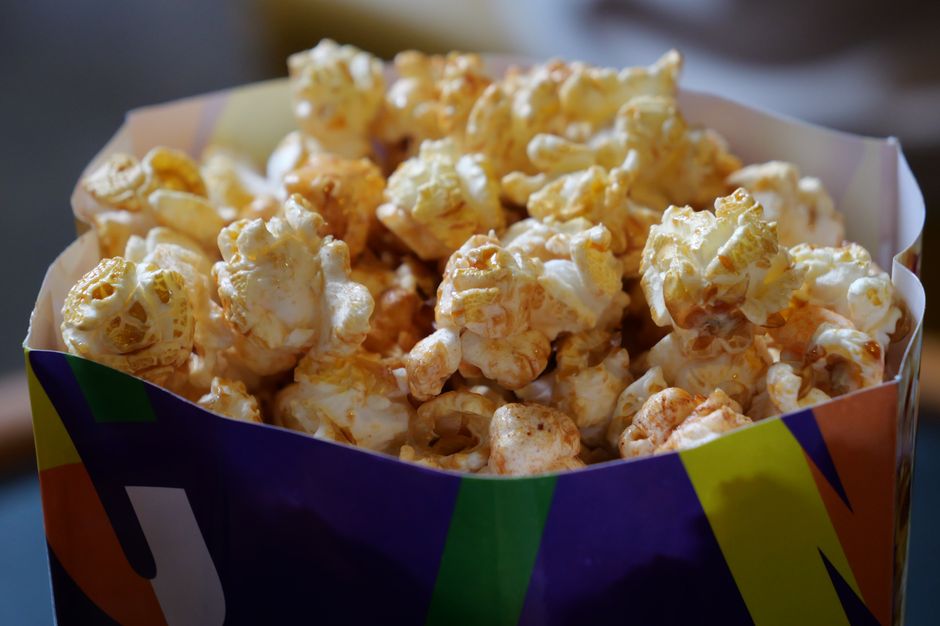
A well-operated 16-ounce kettle corn machine produces approximately 200 to 250 servings per hour when managed efficiently. This assumes five to six minute batch cycles including popping, cooling, and bagging time. Experienced operators refine their technique to minimize downtime between batches while maintaining the quality standards that keep customers returning.
The serving size you offer significantly impacts how many customers you can serve from each batch. Standard serving bags range from small (approximately 1 ounce) to extra-large (8 ounces or more). Most successful kettle corn businesses offer multiple size options, with medium bags (3-4 ounces) representing the most popular choice. Your machine capacity should align with your serving size strategy to optimize ingredient usage and minimize waste.
Production efficiency factors include:
- Operator skill level and experience
- Equipment quality and heat consistency
- Batch preparation and ingredient measurement systems
- Cooling and packaging workflow design
- Weather conditions affecting cooling times
Capacity Planning for Peak Demand Periods
Peak demand periods test your equipment capacity and operational systems. Festival weekends, holiday events, and special occasions can generate three to five times your normal customer volume. Planning for these surges prevents lost revenue and customer disappointment.
Many successful concession operators maintain multiple machines to handle peak periods. Running two 12-ounce or 16-ounce machines simultaneously provides production flexibility while offering equipment redundancy if mechanical issues arise. This approach also allows you to alternate between sweet kettle corn and savory popcorn varieties without flavor cross-contamination.
The visual impact of multiple kettles operating creates an attractive display that draws more customers. Modern aluminum kettle corn machines offer superior aesthetics compared to traditional equipment, transforming your booth into an entertainment experience rather than just a food stand. This performance aspect of kettle corn preparation becomes part of your marketing strategy and brand differentiation.
Consider your crew size when planning capacity expansion. Each machine requires dedicated operator attention during the popping process, though one person can manage bagging and sales for multiple kettles during slower periods. Labor costs must balance against the revenue opportunities that additional capacity provides during high-traffic events.
Ingredient Efficiency and Cost Management
Machine capacity directly influences your ingredient purchasing and inventory management. Larger capacity machines use proportionally more kernels, oil, and sugar per batch, requiring careful cost analysis to maintain profit margins.
A 12-ounce batch typically requires 12 ounces of kernels, 12 ounces of sugar, and approximately 6-8 ounces of oil, though recipes vary based on your desired sweetness level and coating consistency. Scaling these proportions for larger machines means maintaining larger ingredient inventories and managing potential waste from unsold product.
High-quality aluminum kettle corn machines deliver superior heat control, reducing burnt batches and ingredient waste. The even heating characteristics of professional-grade equipment ensure consistent results that minimize the learning curve for new operators and maintain quality standards across different venue conditions.
Efficient operators develop systematic approaches to batch preparation, pre-measuring ingredients for multiple batches during slower periods. This preparation reduces cycle time during peak demand and ensures consistent flavor profiles that build customer loyalty. Your machine capacity should support this workflow without creating bottlenecks in your production process.
Portability Versus Production Trade-offs
The relationship between machine capacity and portability represents a fundamental trade-off for mobile concession businesses. Larger kettles produce more product per batch but add weight, require more setup time, and consume more power.
A 12-ounce to 16-ounce machine offers optimal portability for operators who frequently transport equipment between venues. These mid-size machines fit comfortably in most vehicles, set up quickly, and operate on standard electrical circuits available at most event spaces. The production capacity satisfies demand at the majority of small to medium-sized venues while keeping your operation nimble and responsive to new opportunities.
Equipment design innovations in 2026 have reduced the weight penalty of larger capacity machines through advanced materials and construction techniques. Modern aluminum kettles provide durability and heat performance while maintaining reasonable weight profiles. This engineering progress allows businesses to access higher capacity without sacrificing the mobility that defines successful concession operations.
Evaluate your typical venue requirements and transportation capabilities before committing to a specific capacity range. A machine that’s difficult to transport or set up independently creates operational challenges that can offset any production advantages. The best capacity choice supports your current operation while allowing reasonable growth without requiring complete equipment replacement.
Long-term Growth and Scalability Considerations
Your initial machine capacity purchase should account for business growth trajectories over the next two to three years. Starting with insufficient capacity forces premature equipment upgrades, while oversized machines create unnecessary initial investment and operational complexity.
Many successful kettle corn businesses begin with a 12-ounce or 16-ounce machine and add capacity as customer demand justifies the investment. This staged approach manages financial risk while building operational expertise on more forgiving mid-range equipment. As your technique improves and you establish profitable venue relationships, upgrading to larger capacity or adding additional machines becomes a logical expansion step supported by proven revenue streams.
Quality matters significantly when selecting commercial popcorn equipment. Machines crafted from premium materials with proper engineering deliver years of reliable service across hundreds of events. The initial investment in professional-grade equipment pays dividends through reduced maintenance costs, consistent performance, and the professional appearance that commands premium pricing.
Businesses operating internationally, from Japan to Australia to Europe, benefit from equipment that meets diverse electrical standards and performs reliably under varying climate conditions. The versatility of well-designed commercial popcorn machines supports business expansion into new markets without requiring regional equipment variations.
Conclusion
Selecting the appropriate commercial popcorn machine capacity determines your business’s operational efficiency, profit potential, and growth trajectory. Understanding the relationship between machine size, production rates, venue requirements, and business model helps you make informed equipment decisions that support long-term success.
Whether you’re launching a new kettle corn concession business or expanding an existing operation, matching machine capacity to your specific needs ensures you can serve customers efficiently while maintaining the quality standards that build loyal customer bases. The investment in properly sized, high-quality equipment crafted from superior materials provides the foundation for a thriving vending business that stands out in competitive markets.
Focus on equipment that combines appropriate capacity with excellent heat distribution, durability, and visual appeal. Modern aluminum kettle corn machines offer performance advantages over traditional designs while creating the engaging customer experience that drives sales. With the right capacity equipment supporting your operation, you’ll be positioned to capitalize on opportunities and build a successful, scalable concession business in 2026 and beyond.
