Carnival Food Business Ideas for 2026
Carnival and fair food has a timeless appeal. The smell of something sweet and buttery drifting across a crowd, the flash of a popping kettle, the bright colors of a concession stand — these are the details that turn a walk through a fairground into a memory. For an entrepreneur, that appeal also represents a genuine opportunity. Carnival food businesses are approachable to start, flexible in scale, and built on products with wide, enthusiastic audiences. If you are considering entering the concession world in 2026, this guide covers the best carnival food business ideas, what each one requires, and how to choose the right one for your goals.
Why Carnival Food Is a Strong Small-Business Category
Carnival food has several structural advantages over many other food businesses. First, the menu is usually simple. Most successful concession stands specialize in one or two items and execute them exceptionally well, which keeps equipment costs manageable and training straightforward. Second, the products are impulse-driven and celebratory. Customers at fairs, festivals, and events are already in a spending mindset, so you are not fighting to create demand — you are meeting it.

Third, carnival food businesses are mobile by design. A cart, trailer, or tent setup lets you follow events, farmers markets, and community gatherings rather than depending on a single fixed location and its foot traffic. That flexibility can reduce the risk that comes with long commercial leases.
One more point worth understanding: a lot of carnival food is, at its heart, snack food. That means customers often treat it as an indulgence. You do not need to position your stand as a health food destination, but you should still run a clean, well-organized operation and follow local food-safety regulations carefully. General guidance on handling and preparing food safely is available from the NHS Eat Well resource, and it is worth reviewing before your first event.
Top Carnival Food Business Ideas to Consider
Below are the most practical carnival food concepts, along with notes on what each demands and who it tends to suit.

1. Kettle Corn
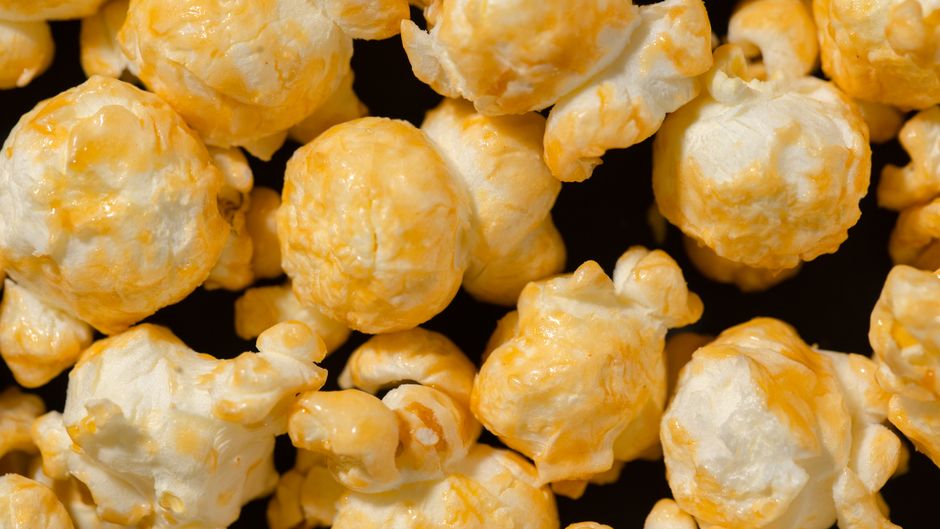
Kettle corn is one of the most attractive entry points in concession food. The product is simple — popcorn popped in a large kettle with oil, sugar, and salt — but the experience is not. The sight of the kettle, the sound of popping, and the smell of caramelizing sugar draw customers in from a distance. That theatrical element is a real marketing asset; it turns your stand into a small attraction. If you want to experiment before investing, try this homemade kettle corn on the stove top method to learn the fundamentals.
Equipment matters more than newcomers expect. A dedicated kettle corn popper built for continuous use will pop faster and more consistently than improvised setups. If you are exploring this route, manufacturers such as Kettle Corn Machine offer aluminum kettle corn machines designed for both performance and appearance, giving your stand a modern look that stands out from older black-kettle setups. The company has supplied kettle corn businesses in markets including the USA, Japan, Australia, Europe, Mexico, and the Caribbean, and also offers handmade lemon shakers to pair with the popcorn — a classic combination that increases average spend per customer. Once you are up and running, these kettle corn seasoning ideas for popcorn vendors can help you stand out from competitors.
Best for: First-time concession owners, event vendors, and anyone who wants a visually engaging, high-throughput stand.
2. Lemonade and Fresh Drinks
Fresh-squeezed lemonade is the natural companion to kettle corn and a strong standalone concept. It is inexpensive to produce relative to its selling price, refreshing on warm days, and easy to customize with flavors like strawberry, mango, or mint. Hand-shaken lemonade also offers showmanship: the shaking, the ice, the pour. Like kettle corn, the preparation is part of the product.
Drink stands pair especially well with food stalls because they capture customers who are not hungry but are thirsty — a large share of any crowd on a hot day. Getting the recipe right is essential, and this guide to making lemon shake ups walks through the technique step by step.
Best for: Vendors who want low ingredient costs, families running a stand together, and anyone adding a second revenue stream to an existing food cart.
3. Funnel Cakes and Fried Dough
Funnel cakes are a carnival icon. They require a fryer, batter, and a steady hand, and they command strong prices because customers associate them with the fair experience. The main considerations are oil management, ventilation, and fire safety. Fried dough variants — elephant ears, churros, donuts — offer similar appeal with slightly different equipment needs.
Best for: Vendors with some kitchen experience who are comfortable managing hot oil and higher equipment costs.
4. Cotton Candy
Cotton candy is inexpensive to make, lightweight to transport, and visually irresistible to children. A cotton candy machine is one of the lowest-cost pieces of carnival equipment you can buy. The trade-off is that margins are modest per unit and the product is weather-sensitive, so it works best as an add-on to a broader stand rather than a sole offering.
Best for: Add-on sales, family-friendly events, and vendors building a multi-item menu.
5. Corn Dogs and Hot Dogs
Savory carnival staples balance a sweet-heavy menu and appeal to customers who want a proper bite. Corn dogs require a fryer and batter station; hot dogs can be run with a steamer or grill and very little equipment. Both are fast to serve, which matters when queues build during peak event hours.
Best for: Vendors who want a savory anchor product alongside sweet items.
6. Loaded Fries and Nachos
Loaded fries and nachos have grown steadily in popularity at festivals. They are versatile, allow for creative toppings, and photograph well — a genuine advantage when customers share food pictures on social media. The equipment footprint is moderate, and the ingredient costs are controllable.
Best for: Vendors targeting a slightly older crowd and evening events.
7. Candy Apples and Sweet Treats
Candy apples, caramel apples, and similar treats are low-labor, visually appealing, and have strong seasonal associations. They keep reasonably well, which reduces waste compared with perishable items.
Best for: Seasonal markets, autumn events, and vendors wanting a low-maintenance product line.
How to Choose the Right Carnival Food Idea
Not every concept suits every operator. Work through these questions before committing:
- What is your budget? Cotton candy and lemonade require the least upfront capital. Fryer-based concepts and kettle corn machines sit in the middle. Full trailers cost more.
- Where will you sell? Check which products local fairs, markets, and festivals already host. Some events limit duplicate vendors, which can protect you — or shut you out.
- What are your local regulations? Food handling permits, fire codes, and vendor licensing vary widely by jurisdiction. Confirm requirements before buying equipment.
- How much physical space do you have? Kettle corn and lemonade setups are compact. Fryers and grills need ventilation and clearance.
- What is your tolerance for complexity? Simple menus mean fewer failure points, faster service, and easier staffing.
It also helps to think about nutrition and labeling as you build your menu, particularly if you sell packaged items or operate in venues with family audiences. The USDA MyPlate guidance is a useful reference for understanding portion sizes and food groups, and it can inform how you describe your offerings honestly to customers.
Getting Started: A Practical Checklist
- Choose one anchor product. Pick a signature item and build around it. Kettle corn plus lemonade is a proven pairing.
- Source reliable equipment. Buy commercial-grade gear from a supplier that supports your business, not the cheapest option available.
- Confirm licensing and insurance. Talk to your local health department and event organizers early.
- Price for events. Account for event fees, travel, ingredients, and waste. Many vendors underprice in their first season.
- Build a simple brand. A clean sign, consistent colors, and visible preparation go a long way.
- Track every event. Record sales, costs, and weather. Patterns emerge quickly and will guide your calendar next year.
Conclusion
Carnival food remains one of the most accessible and enjoyable small-business categories available. The strongest ideas — kettle corn, fresh lemonade, funnel cakes, corn dogs — share the same core qualities: simple menus, visible preparation, and products customers associate with celebration. Start with one anchor item, invest in dependable equipment, respect local regulations, and test your stand at smaller events before committing to a full season. With careful planning, a concession business can grow from a weekend side project into a recognizable brand that customers seek out at every fair they visit.
