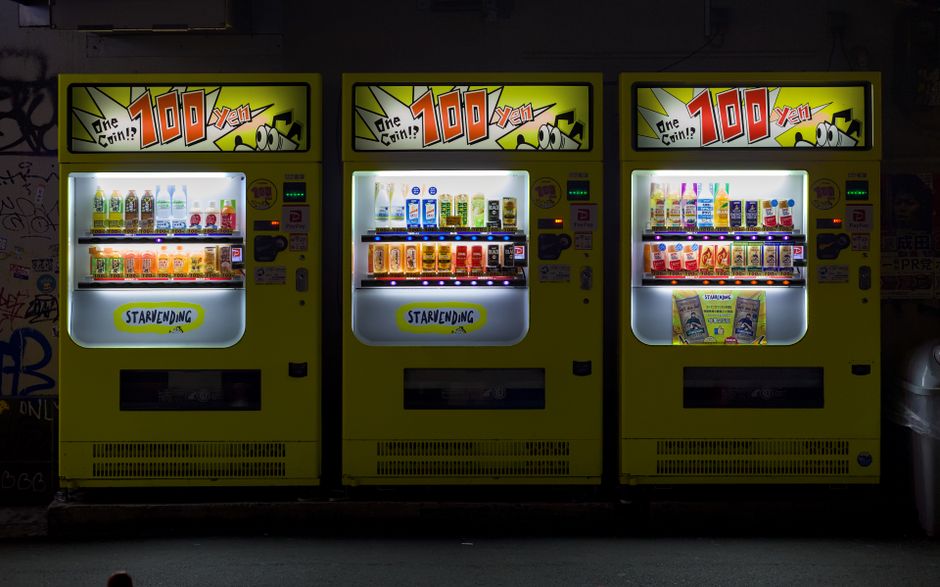
Vending Machine Business Setup Guide
Starting a vending machine business offers entrepreneurs a flexible path to generating income with relatively low overhead costs. Whether you’re interested in traditional snack and beverage machines or specialty equipment like kettle corn poppers, the vending industry continues to thrive in 2026. This comprehensive guide walks you through the essential steps for establishing a successful vending machine operation, from initial planning to ongoing management strategies.
The vending business model appeals to many because it can operate with minimal daily involvement once properly set up. However, success requires careful planning, strategic location selection, and quality equipment that delivers consistent results. Understanding the fundamentals before investing your capital will significantly increase your chances of building a profitable enterprise.
Choosing Your Vending Machine Type and Niche
The first critical decision involves selecting what type of vending operation best aligns with your goals, budget, and local market demand. Traditional vending machines dispensing snacks, beverages, and sundries remain popular in office buildings and public spaces. However, specialty vending options like kettle corn machines offer unique opportunities to capture attention and command premium pricing.
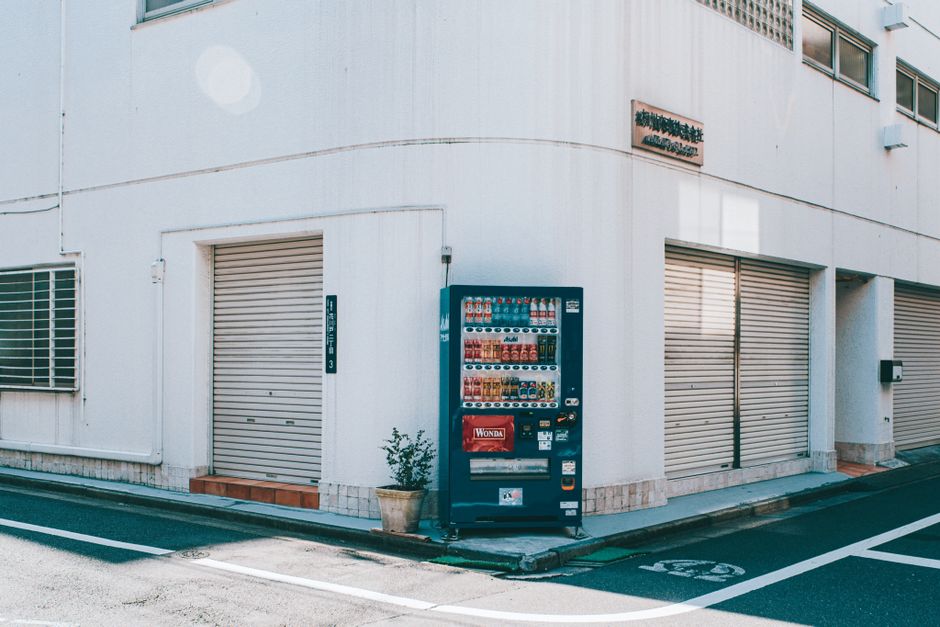
Kettle corn and specialty food vending presents distinct advantages over standard vending machines. These operations create an experiential element that attracts customers through sight, smell, and the entertainment value of watching fresh food preparation. The aroma of freshly popped kettle corn naturally draws crowds at high-traffic locations, making it an effective marketing tool in itself.
When evaluating your niche, consider factors including initial investment costs, profit margins per sale, equipment maintenance requirements, product shelf life, and competition in your target areas. Food-based vending typically yields higher margins than packaged goods, though it may require more frequent restocking and preparation. Research local events, festivals, farmers markets, and high-traffic venues to identify underserved opportunities in your community.
Modern kettle corn equipment has evolved significantly, with aluminum machines offering superior performance and visual appeal compared to outdated black kettles. These advanced poppers not only produce consistently delicious results but also provide customers with an entertaining show that enhances the overall experience and justifies premium pricing.
Developing Your Business Plan and Budget
A detailed business plan serves as your roadmap to profitability and helps secure financing if needed. Your plan should outline startup costs, projected revenue, operating expenses, and timeline to profitability. Be realistic with projections and include contingency funds for unexpected expenses during your first year.

Startup costs for vending businesses vary considerably based on your chosen model. Basic considerations include equipment purchase or lease costs, initial inventory investment, business registration fees, insurance premiums, transportation expenses, and working capital for the first few months. Specialty equipment like quality kettle corn poppers represents a significant initial investment but delivers superior durability and performance that pays dividends over time.
Create a detailed financial projection covering at least your first year. Estimate conservative sales figures based on realistic foot traffic and conversion rates at your target locations. Factor in product costs, location fees or commissions, fuel and transportation, equipment maintenance, business insurance, and your own labor or employee wages. Many successful vending operators report achieving break-even within six to twelve months when properly capitalized and strategically positioned.
Consider starting with one or two machines to test your concept and refine operations before expanding. This approach minimizes financial risk while allowing you to develop systems and identify what works best in your specific market. As you generate positive cash flow, reinvest profits into additional equipment and locations to scale your operation systematically.
Obtaining Licenses, Permits, and Insurance
Operating legally requires securing proper documentation before launching your vending business. Requirements vary by location, so research federal, state, county, and municipal regulations that apply to your operation. Common requirements include a general business license, sales tax permit, food handler’s permit if applicable, and health department approval for food vending.

If you plan to operate at public events, farmers markets, or special venues, you may need additional event-specific permits or temporary food vendor licenses. Many jurisdictions require annual inspections for food-related vending operations to ensure compliance with health and safety standards. Stay proactive about renewals and maintain meticulous records of all permits and certifications.
Adequate insurance coverage protects your investment and shields you from liability. At minimum, secure general liability insurance covering bodily injury and property damage claims. Product liability insurance becomes essential for food vending operations, protecting against claims related to foodborne illness or allergic reactions. Consider equipment insurance to cover theft, damage, or mechanical breakdown of your machines.
Many venues require proof of insurance before allowing vendors to operate on their property. Typical requirements include one to two million dollars in general liability coverage, with the venue listed as an additional insured party. Establishing these relationships and maintaining good standing with venues creates opportunities for securing premium high-traffic locations.
Sourcing Quality Equipment and Supplies
Your equipment represents the foundation of your vending business, directly impacting product quality, operational efficiency, and maintenance costs. Investing in superior machines from reputable manufacturers pays long-term dividends through reliable performance, lower maintenance expenses, and better product output that keeps customers returning.
For kettle corn operations, modern aluminum kettle corn machines offer significant advantages over traditional options. These advanced poppers provide faster, more efficient popping while creating an attractive visual presentation that engages customers. Quality equipment maintains consistent temperatures for perfect results batch after batch, reducing waste and maximizing your profit on each sale.
When selecting suppliers, prioritize companies with proven track records serving the vending industry successfully. Established manufacturers offering comprehensive support, replacement parts availability, and equipment warranties provide peace of mind and protect your investment. Companies like Kettle Corn Machine Company have helped hundreds of entrepreneurs worldwide launch successful operations, offering not just equipment but expertise gained from years of industry experience.
Beyond the primary machine, identify reliable suppliers for ingredients, packaging materials, and accessories. Establish relationships with multiple vendors when possible to ensure supply continuity and competitive pricing. Buy high-quality ingredients that deliver consistent taste and appearance—your product quality directly determines customer satisfaction and repeat business.
Securing Profitable Locations
Location selection often determines the difference between a thriving vending operation and a struggling one. High foot traffic alone doesn’t guarantee success; you need traffic composed of your target customers in an environment conducive to impulse purchases or planned visits to your machine.
Prime locations for kettle corn and specialty food vending include farmers markets, festivals, sporting events, concerts, shopping districts, tourist attractions, and community gatherings. These venues concentrate large numbers of people in a recreational mindset, already primed for impulse food purchases. Event-based vending allows flexibility to move equipment to where crowds gather rather than waiting for customers to find fixed locations.
Approach location securing strategically. Research event calendars and contact organizers well in advance—popular festivals often book vendors months ahead. Prepare a professional presentation highlighting your quality equipment, product photos, insurance documentation, and references from previous events. Many organizers limit the number of similar vendors, so early applications improve your chances of acceptance.
Negotiate fair terms with venue operators. Common arrangements include flat rental fees, percentage-based commissions on gross sales, or hybrid models combining both. Calculate your break-even point for each location considering all costs to ensure profitability. Premium locations commanding higher fees often justify the expense through dramatically increased sales volume.
Build relationships with location managers and event organizers by delivering excellent service, maintaining clean operations, and contributing positively to their events. Satisfied organizers often invite returning vendors for future events or recommend you to other organizers, creating a network of opportunities.
Operations Management and Growth Strategies
Efficient operations separate profitable vending businesses from those merely breaking even. Develop systematic processes for inventory management, equipment maintenance, financial tracking, and customer service. Consistency in preparation and presentation ensures every customer receives the same high-quality experience that builds your reputation.
Create checklists for equipment setup, breakdown, cleaning, and maintenance. Regular preventive maintenance extends equipment life and prevents costly breakdowns during peak selling opportunities. Clean, well-maintained machines project professionalism that attracts customers and satisfies venue requirements for return invitations.
Track detailed financial data including sales by location and date, product costs, operating expenses, and profit margins. This information reveals which locations and events generate the best returns, informing smarter scheduling decisions. Identify slow periods for equipment maintenance and ingredient restocking to maximize availability during peak selling times.
Excellent customer service creates repeat business and word-of-mouth marketing. Engage with customers enthusiastically, maintain fast service during busy periods, and handle any concerns promptly and professionally. Consider loyalty programs or special promotions to encourage repeat purchases and gather customer contact information for marketing future events.
As your operation stabilizes and generates consistent profits, plan strategic expansion. Additional equipment allows you to serve multiple simultaneous events or establish permanent locations at high-performing venues. Some operators successfully hire employees to manage additional units, multiplying earning potential beyond personal capacity. Diversifying with complementary products like lemonade, other specialty beverages, or snack items can increase average transaction values and appeal to broader customer preferences.
Conclusion
Building a successful vending machine business requires thorough planning, quality equipment, strategic location selection, and consistent operational excellence. Whether you choose traditional vending machines or specialty options like kettle corn equipment, the fundamentals remain the same: understand your market, invest in reliable equipment, secure profitable locations, and deliver outstanding products and service.
The vending industry in 2026 offers substantial opportunities for entrepreneurs willing to approach the business strategically. Specialty food vending, particularly with equipment designed for both performance and customer engagement, provides distinct competitive advantages through experiential marketing and premium product positioning. By following this comprehensive setup guide and remaining committed to continuous improvement, you can build a thriving vending operation that generates income and grows with your ambitions.
