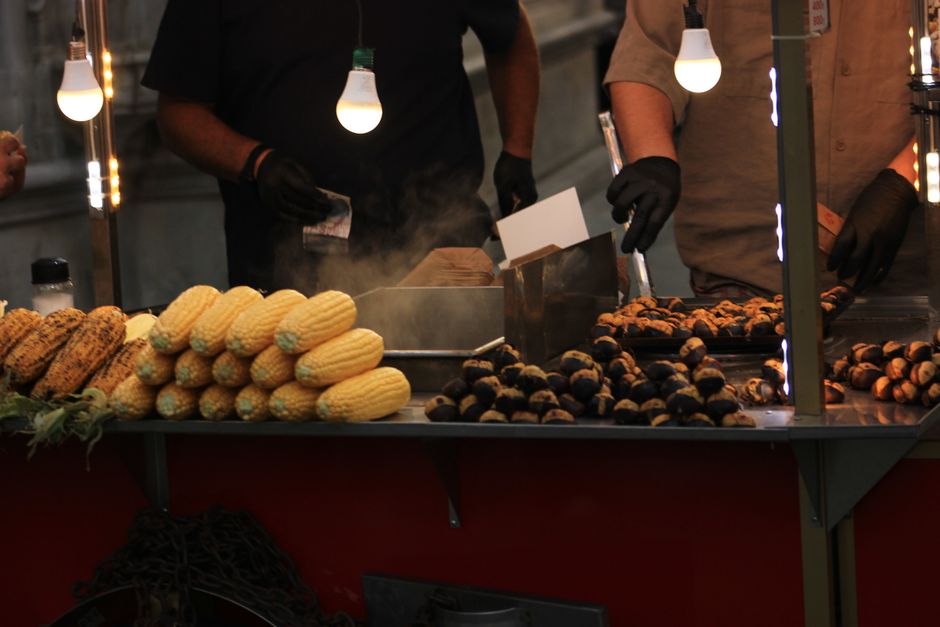
Food Vending Business Equipment Essentials
Starting a food vending business in 2026 requires careful planning and the right equipment to ensure success. Whether you’re launching a kettle corn operation, a lemonade stand, or a multi-product concession business, understanding the essential equipment and setup requirements can make the difference between thriving and merely surviving in this competitive industry. This comprehensive guide explores everything you need to know about food vending business equipment to help you build a profitable venture.
Core Equipment for Food Vending Operations
The foundation of any successful food vending business starts with quality equipment designed for commercial use. Unlike residential appliances, commercial-grade equipment is built to withstand continuous operation, high-volume production, and the rigors of mobile business environments.

For kettle corn businesses, the popper itself represents your most critical investment. Modern aluminum kettle corn machines offer superior performance compared to traditional black kettles, providing better heat distribution, easier cleaning, and an eye-catching appearance that draws customers. These machines should feature heavy-duty construction, precise temperature controls, and safety features that protect both operators and customers.
Beyond the primary cooking equipment, you’ll need reliable power sources. Many vending operations require generators capable of running multiple appliances simultaneously. Propane tanks and backup fuel supplies ensure uninterrupted service during peak hours at festivals, farmers markets, and special events.
Display and Serving Equipment
Creating an attractive presentation is crucial for attracting customers and maximizing sales. Display cases, warming equipment, and serving stations should be both functional and visually appealing. For kettle corn vendors, clear display containers allow customers to see the fresh, golden product while maintaining optimal freshness.

Serving equipment includes scoops, bags, containers, and packaging materials. Investing in branded packaging creates a professional image and provides free advertising when customers carry your products through crowded venues. Consider eco-friendly packaging options, as sustainability increasingly influences consumer purchasing decisions in 2026.
Temperature control equipment keeps products at safe serving temperatures while maintaining quality. For beverage operations like lemonade stands, commercial-grade coolers, ice bins, and refrigeration units are essential. These items must meet local health department requirements while providing reliable performance in outdoor environments.
Point of Sale and Business Management Tools
Modern food vending businesses require efficient transaction processing systems. Mobile point-of-sale systems accept credit cards, contactless payments, and digital wallets—payment methods that customers increasingly expect. These systems often include inventory tracking, sales reporting, and customer relationship management features that help you understand your business performance.

Cash handling equipment remains important despite the shift toward digital payments. Secure cash boxes, money belts, and portable safes protect your earnings during events. Change-making tools and bill counters streamline transactions during busy periods when speed matters.
Business management software helps track expenses, manage inventory, schedule events, and analyze profitability across different venues and products. Many vendors use specialized apps designed for mobile food businesses that integrate with accounting software and simplify tax preparation.
Operational Support Equipment
Behind-the-scenes equipment supports smooth operations and maintains food safety standards. Hand washing stations, sanitizing supplies, and cleaning equipment are mandatory in most jurisdictions. Portable sinks with fresh and gray water tanks enable compliance with health regulations at outdoor venues.
Food preparation surfaces, cutting boards, and utensils must be commercial-grade and easy to sanitize. Storage containers for ingredients should be food-safe, clearly labeled, and designed for transport. Thermometers and temperature monitoring devices ensure products remain within safe temperature ranges throughout your operation.
Transportation and Setup Infrastructure
Getting your equipment to venues requires appropriate transportation. Many vendors use enclosed trailers customized with shelving, electrical systems, and storage solutions. Others operate from food trucks, carts, or pop-up tents that can be quickly assembled at different locations.
Setup equipment includes canopy tents, tables, chairs, and signage that create your vending space. Weather protection is essential—wind-resistant tent weights, sidewalls for rain protection, and shade solutions for hot days keep operations running smoothly. Proper lighting extends your operating hours into evening events, increasing revenue opportunities.
Storage solutions organize inventory, supplies, and equipment for efficient operation. Shelving units, bins, and tool organizers prevent chaos during busy service periods. Everything should have a designated place for quick access and end-of-day breakdown.
Safety and Compliance Equipment
Food vending businesses must prioritize safety through proper equipment and procedures. Fire extinguishers rated for kitchen fires are mandatory wherever cooking occurs. First aid kits should be easily accessible and fully stocked. Proper ventilation systems prevent smoke and heat buildup in enclosed vending spaces.
Personal protective equipment includes heat-resistant gloves, aprons, and non-slip footwear for employees. Safety training programs ensure everyone understands proper equipment operation and emergency procedures.
Health and safety compliance requires various documentation and permits that vary by location. While equipment needs are similar across regions, understanding local regulations prevents costly violations. Many jurisdictions now require handwashing facilities, sneeze guards, and specific food handling certifications that influence your equipment needs.
Maintaining food safety standards is paramount in any food service business. According to guidance from the NHS Eat Well and USDA MyPlate, proper food handling and preparation directly impact public health. While these resources focus on nutrition, they underscore the importance of quality standards in food service operations.
Maximizing Equipment Investment and Performance
Quality equipment represents a significant investment, but proper selection and maintenance ensure long-term value. Research manufacturers with proven track records in the vending industry who stand behind their products with warranties and responsive customer service. High-performance equipment designed specifically for mobile operations withstands transport and frequent setup better than adapted residential items.
Maintenance programs extend equipment life and prevent costly breakdowns during events. Regular cleaning, seasonal inspections, and preventive maintenance catch small issues before they become major problems. Keep detailed maintenance logs and replacement part inventories to minimize downtime.
Energy efficiency reduces operating costs and environmental impact. Modern equipment often features improved insulation, efficient heating elements, and smart controls that reduce fuel or electricity consumption. These savings accumulate significantly over years of operation.
Upgrading equipment strategically as your business grows maintains competitive advantage. Start with essential items and expand your capabilities as revenue allows. Many successful vendors begin with one product line and gradually add complementary offerings that leverage existing equipment and customer relationships.
Building Your Competitive Edge
Standing out in the food vending industry requires more than just functional equipment—it demands equipment that creates memorable customer experiences. Visual appeal matters as much as food quality when customers choose among multiple vendors at crowded events. Shiny aluminum kettles that let customers watch their kettle corn being made provide entertainment value that justifies premium pricing.
Just as staying physically active according to CDC physical activity guidance requires the right approach and consistency, building a successful vending business demands proper equipment and dedication to quality operations. Both require investment in the right tools and commitment to best practices.
Specialized equipment for signature products creates differentiation. Unique lemonade dispensers, custom serving vessels, or distinctive presentation styles become part of your brand identity. Customers remember vendors who offer something special beyond the standard experience.
Conclusion
Success in the food vending business depends heavily on selecting and maintaining the right equipment for your specific operation. From commercial-grade cooking appliances to point-of-sale systems, each piece of equipment contributes to your ability to serve customers efficiently while maintaining quality and safety standards. Investment in durable, well-designed equipment pays dividends through years of reliable service, reduced maintenance costs, and enhanced customer experiences. Whether you’re starting with a single kettle corn popper or expanding an established concession business, choosing equipment that combines performance, durability, and visual appeal positions you for long-term success in this rewarding industry. The right food vending business equipment doesn’t just make your job easier—it becomes the foundation upon which you build a thriving, profitable food vending enterprise.
