Event Food Vendor Startup: a 2026 Guide
Event food vending remains one of the most accessible and rewarding small-business models in 2026. Festivals, farmers markets, county fairs, concerts, and community celebrations all need reliable food vendors, and a kettle corn and lemonade stand sits near the top of the list for first-time operators. Startup costs are modest, the product is universally loved, and the operation can scale from a single cart to a multi-machine concession business. This guide walks through the essential steps — from choosing your niche and buying equipment to permits, pricing, and growth — so you can launch with confidence.
Why Kettle Corn and Lemonade Make a Strong Event Food Niche
Not every food vendor concept is created equal. Burgers, tacos, and gourmet fries require extensive prep, refrigeration, and a complex menu. Kettle corn is different. It uses a handful of ingredients, has a long shelf life, and produces an experience customers can smell from across the fairground. The combination of fresh-popped kettle corn and handmade lemonade covers both the salty-sweet snack and the refreshing drink categories — two of the highest-margin items at any event.
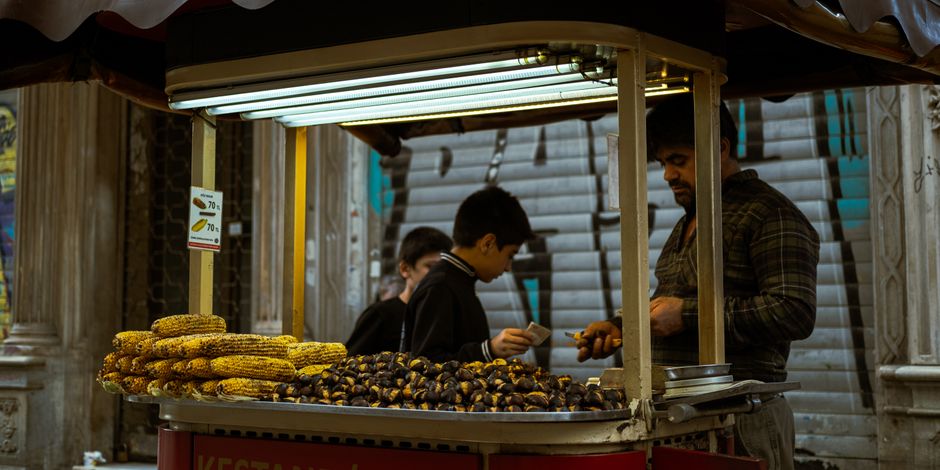
Margin potential is one of the strongest arguments for this niche. Corn kernels, oil, sugar, and lemons are inexpensive relative to the retail price of a bag or cup, and the labor model is simple enough for a family to run. That combination — low ingredient cost, high perceived value, and a compact footprint — is why kettle corn businesses have spread worldwide, from the USA and Canada to Japan, Guam, Australia, the Caribbean, Europe, Mexico, and Russia. For a broader menu of low-cost, high-margin concepts, see these profitable food stand ideas and equipment for 2026.
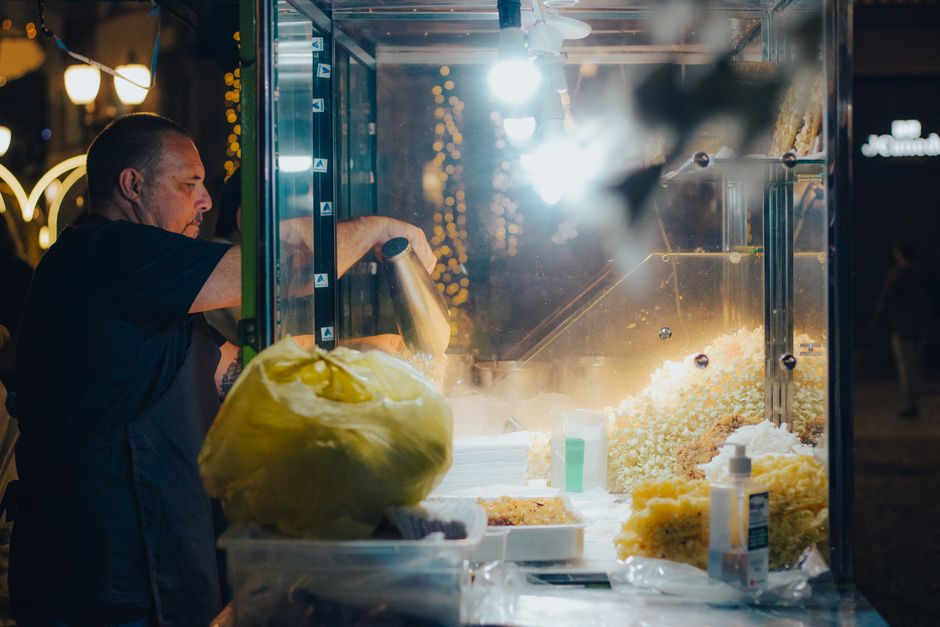
There is also a sensory advantage. Live popping is theater. The aroma draws a crowd, the kettle action keeps people watching, and that attention converts into sales. Modern aluminum kettle corn machines are built to be seen as well as used, offering a clean, high-performance alternative to outdated black kettles — giving your customers a show to remember while you pop faster.
Building Your Startup Plan and Budget
A solid plan separates hobby vendors from businesses that survive their first season. Begin with a simple one-page business plan covering your target events, projected sales per event, fixed costs, and variable costs. You do not need a forty-page document; you need clarity on how many bags and cups you must sell to break even at every event you book.

Biggest Cost Categories (2026 Estimates)
- Equipment: Kettle corn popper, lemon shaker, tent or trailer, tables, signage, and cash handling. This is your largest single investment.
- Permits and licenses: Health department permits, business registration, sales tax registration, and event-specific vendor fees.
- Insurance: General liability coverage is required by most event organizers and is wise regardless.
- Inventory: Kernels, oil, sugar, salt, lemons, sugar, cups, bags, and ice.
- Marketing: Branded signage, social media content, and a simple website or booking page.
Keep a cash reserve for at least three events. Weather, low foot traffic, and permit delays are real risks, and a reserve keeps you from panic-pricing your product.
Choose the Right Machine Up Front
Your kettle corn popper is the engine of the business. Buy equipment built for commercial volume, not a consumer gadget that will slow you down at a busy fair. A commercial grade popcorn cooker buying guide can walk you through capacity, materials, and features to compare before you commit. Look for machines crafted from durable materials for fast, efficient popping, with a design that looks modern and professional on your stand. A well-chosen machine should handle back-to-back batches without overheating and should be easy to clean between events. Many successful vendors pair a primary popper with a second unit as a backup before their busiest season.
Permits, Licenses, and Food Safety
Regulatory requirements vary by state, county, and event, so confirm everything with your local health department before you spend money. At minimum, expect to obtain a business license, a food vendor or temporary food establishment permit, and sales tax registration. Some jurisdictions require a commissary kitchen arrangement or a certified food handler on site. Event organizers typically also require a certificate of insurance naming them as an additional insured.
Food safety is non-negotiable. Train everyone on your team on handwashing, glove use, temperature control, and safe handling of ice and beverages. The NHS Eat Well guidance offers useful general principles on hygienic food handling and balanced eating that translate well to concession best practices, and the USDA MyPlate framework is a helpful reference when you want to describe portion sizes or add a lighter option to your menu. Create a written checklist for opening and closing each event — sanitizing surfaces, storing ingredients off the ground, and keeping a thermometer on hand. A clean stand and a confident health inspection are competitive advantages: organizers remember vendors who make their job easy.
Operations: How to Run a Profitable Stand
Event day is a performance, and the vendors who prepare in advance make the most money. Plan your menu around speed. A short menu — kettle corn in two or three bag sizes, lemonade in regular and large, perhaps one flavor add-on — keeps lines moving and inventory simple.
The Kettle Corn Playbook
- Pop in visible batches: Fresh popping draws crowds and signals quality.
- Pre-bag during quiet moments: Have bags ready before the rush, but keep popping live for the aroma.
- Set a sample strategy: A small taste converts curious passersby into buyers.
- Track every event: Record batches popped, bags sold, and revenue so you can forecast demand accurately next time.
Handmade Lemonade That Sells
Lemonade pairs perfectly with kettle corn because it solves a different customer need — thirst — at the same moment. Use a quality lemon shaker and serve fresh handmade lemonade rather than a powdered mix; this complete guide to lemonade preparation machines covers the options and setup. The taste difference is obvious, and customers who buy a drink alongside a bag of kettle corn typically increase your average transaction value. Offer ice-cold cups, clear pricing, and a visible lemon display for visual appeal.
Speed, Staffing, and Cash Handling
At a busy festival, throughput is everything. Assign clear roles: one person pops, one bags and serves, one handles drinks and payment. Use a card reader with a backup mobile payment option, and keep a cash float with a secure, lockable box. Train staff on your prices before the gates open so no one fumbles at the register. Ten seconds saved per transaction can mean dozens of extra sales over a long day.
Marketing Your Stand and Booking the Best Events
Your marketing starts before you sell your first bag. Build a simple online presence — social media accounts and a one-page site — that shows your stand, your equipment, and your product. Event organizers search for vendors online, and a professional profile makes you easier to book. Photograph your setup at every event; consistent, appetizing visuals build trust.
Booking strategy matters as much as selling strategy. Apply early to well-attended festivals, farmers markets, and community events, and ask organizers about expected attendance, vendor mix, and booth placement. A stand positioned near the main gate or along a high-traffic path can outsell a poorly placed competitor by a wide margin. Keep a record of every event’s results and build relationships with organizers — repeat invitations to proven events are the most reliable revenue stream a vendor can have. Word of mouth among event planners is powerful, and a vendor who shows up on time, follows the rules, and sells out is invited back year after year.
Scaling From One Stand to a Full Concession Business
Once you have one profitable stand, growth becomes a matter of systems and equipment. The clearest paths are adding a second stand and crew for simultaneous events, expanding your menu with complementary items, or upgrading to higher-capacity machines so you can pop faster and sell more during peak hours. When demand spikes at large festivals, the right high volume popcorn equipment keeps your lines moving instead of capping your sales. Many vendors also build a local catering arm, supplying kettle corn and lemonade for corporate events, school fundraisers, weddings, and private parties between festival seasons.
Equipment quality becomes even more important as you scale. Machines designed for performance and appearance — built from the finest materials for fast, efficient popping — let you add units without adding downtime. Invest in accessories that keep each stand consistent, standardize your recipes and pricing across locations, and document your opening and closing procedures so new staff can be trained quickly.
Conclusion: Start Small, Pop Consistently, and Grow
An event food vendor startup in 2026 is a realistic path to self-employment for anyone willing to work hard and stay organized. Kettle corn and lemonade offer a rare combination: low startup costs, strong margins, universal appeal, and a product that is genuinely fun to sell. Secure your permits, buy a commercial-grade kettle corn popper you can rely on, master food safety, and treat every event as a learning opportunity. Thousands of vendors worldwide have built thriving businesses from a single stand — and with the right equipment, a smart plan, and consistent effort, yours can be next.
