Mobile Beverage Concession Equipment Guide
A mobile beverage concession can be one of the most profitable and portable businesses in the vending world. Whether you are serving fresh-squeezed lemonade at a county fair, iced tea at a farmers market, or specialty drinks at a festival, the right equipment determines how fast you serve, how much you sell, and how often you have to stop and fix something. This guide covers the essential mobile beverage concession equipment you need in 2026, how to choose it, and how to build a setup that grows with your business.
At Kettle Corn Machine Company, we have spent years helping vendors around the world—from Japan and Guam to Australia, the Caribbean, Nova Scotia, Europe, Mexico, Russia, and the USA—get their concession businesses popping. The same principles that make a great kettle corn operation work apply to beverages: durable gear, fast service, and a setup that looks as good as it performs. If you are still weighing which products to pair with drinks, our guide to profitable food stand ideas and equipment for 2026 is a good place to start.
The Core Equipment Every Mobile Beverage Concession Needs
Before you think about upgrades or extras, make sure your foundation is solid. A mobile beverage operation typically needs five categories of equipment: production, dispensing, storage, serving, and support. Here is what belongs in each.

Production Equipment
This is where your drinks are actually made. Depending on your menu, production equipment may include:
- Lemonade shakers and mixers — Handmade lemonade is a top seller at fairs and festivals. A dedicated lemon shaker lets you mix consistent batches quickly and serve with a show. For a deeper look at machine options, see our lemonade preparation machine: a complete guide.
- Juicers — Manual or electric citrus presses for fresh juice.
- Blenders — For smoothies, frozen drinks, and slush-style beverages.
- Brewers and urns — For coffee, tea, and hot beverages at cool-weather events.
- Ice shavers — For snow cones, shaved ice, and frozen lemonades.
Dispensing Equipment
How you dispense affects your speed and your presentation. Popular options include beverage dispensers with spigots, insulated coolers with taps, draft-style tap systems for large-volume events, and countertop fountain units. Choose dispensers that are easy to clean, resist cracking, and hold temperature well during long event days.
Storage and Transport
Mobile means everything has to move. Insulated coolers, food-grade storage bins, stackable crates, and a cart or trailer with secure tie-downs are essential. If you are working out of a trailer or van, plan your layout so that heavy items sit low and frequently used items are within arm’s reach of the serving window.
Serving and Front-Counter Gear
Your front counter is your storefront. Cups, lids, straws, napkins, condiment pumps, tip jars, and menu boards all belong here. A clean, well-organized serving line signals quality to customers and keeps your line moving during rush periods.
Support Equipment
Do not overlook the unglamorous items that keep you running: a reliable power source (generator or battery bank), a cash drawer or mobile payment terminal, a handwashing station, waste bins, lighting for evening events, and a basic toolkit with spare parts.
How to Choose the Right Equipment for Your Menu and Market
The “best” mobile beverage concession equipment depends entirely on what you sell and where you sell it. Use these questions to narrow your choices.
- What is your signature drink? Build your equipment list around your best seller. If handmade lemonade is your draw, invest in commercial-grade shakers and a fast juicing setup before anything else.
- How many customers per hour will you serve? Estimate your peak throughput and choose equipment that can handle it without bottlenecks. A single slow juicer can stall an entire line at a busy fair.
- What are your power constraints? Many event sites offer limited or no electricity. Battery-powered and manual equipment can be a lifesaver, but confirm runtime and charging options before you commit.
- How will you transport and store everything? Measure your vehicle or trailer before buying. Equipment that does not fit your transport plan is equipment you will not use.
- What is your cleaning routine? Beverage equipment gets sticky and stained fast. Prioritize units with removable, washable parts and smooth surfaces.
- What does your brand look like? Presentation matters. Matching equipment finishes, clean signage, and a polished front counter help you stand out from neighboring vendors.
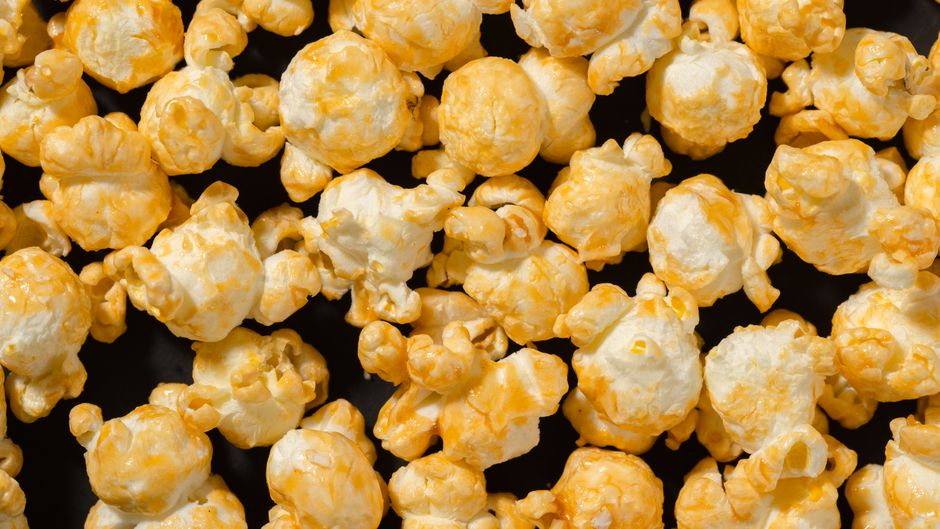
If you plan to pair beverages with kettle corn—a classic and highly profitable combination—look for equipment that complements your popcorn setup. Matching finishes and coordinated displays create a cohesive stand that customers remember.
Building a Combined Kettle Corn and Lemonade Stand
Kettle corn and lemonade are one of the strongest pairings in the concession business. The salty-sweet crunch of fresh kettle corn drives thirst, and a cold, handmade lemon shake satisfies it. Together, they raise average ticket size and give customers two reasons to stop at your stand.

To build a combined operation, plan your layout around two work zones: a popping zone and a beverage zone. Keep the kettle corn machine visible to the crowd—the popping show is part of the appeal—and place your lemonade shakers nearby so one vendor can manage both during slower periods. Storage should be shared when possible: cups, bags, and ingredients in one accessible area keeps foot traffic behind the counter efficient.
Vendors who sell a signature drink alongside kettle corn consistently report stronger per-customer sales than vendors who offer only one product. The pairing works because each item sells the other.
Our aluminum kettle corn machines are designed with this kind of stand in mind. The modern, high-performance aluminum kettles offer a clean, bright look that pairs well with stainless beverage equipment, and they give your customers a show to remember—an important edge over the outdated black kettles many competitors still use. To match kettle capacity to your expected crowds, check our high volume popcorn equipment: a buyer’s guide.
Maintenance, Hygiene, and Safety Essentials
Equipment that is not maintained becomes equipment that fails at the worst possible moment. Build these habits into your routine from day one.
- Daily cleaning: Flush dispensers, wash shaker parts, and wipe down all food-contact surfaces at the end of every event.
- Weekly deep clean: Disassemble spigots, valves, and lids; sanitize storage bins; and inspect seals for wear.
- Preventive checks: Test motors, cords, and connections before each event. Carry spare gaskets, fuses, and a backup hand tool set.
- Temperature control: Verify that coolers and dispensers hold safe temperatures throughout the day, especially in summer heat.
- Handwashing: Set up a dedicated handwash station with potable water and soap—many health departments require it for mobile food and beverage units.
- Permits and labels: Confirm local health department requirements for your menu and post any required signage where customers can see it.
Keep a simple maintenance log. When you can see how many events a piece of equipment has survived, you can plan replacements before a failure costs you a weekend of sales.
Budgeting and Scaling Your Mobile Beverage Business
Start with a lean but capable setup, then reinvest profits into equipment that removes your biggest bottleneck. A practical progression looks like this:
- Starter setup: One or two beverage dispensers, hand juicers or shakers, coolers, a folding cart or basic trailer, and a mobile payment terminal.
- First upgrade: Commercial-grade shakers or a faster juicing system to increase throughput during peak hours.
- Second upgrade: A second serving station or larger dispensing capacity to shorten lines.
- Expansion: Add a kettle corn machine and build a combined stand, then add a second unit or hire staff for multi-event weekends.
Buy quality the first time wherever it matters most—dispensing, production, and transport. Cheap equipment in high-use categories typically costs more over a season than a durable unit that lasts for years. At the same time, do not overbuy before you have events booked. Let demand guide your spending. For a full item-by-item starting list, see our concession business starter kit: complete guide.
Finally, track your numbers from your very first event: cups sold per hour, ingredient cost per serving, and revenue per event. Vendors who know their numbers make better equipment decisions and scale faster than those who guess.
Conclusion
Mobile beverage concession equipment is the backbone of a portable drink business. Get the fundamentals right—reliable production gear, fast dispensing, smart storage, a clean serving line, and disciplined maintenance—and you will serve more customers with less stress. Pair your beverage operation with a high-quality kettle corn machine and you have one of the most proven, profitable concession combinations available in 2026. At Kettle Corn Machine Company, we build aluminum kettle corn machines and equipment designed for performance and appearance, and we are committed to helping vendors worldwide grow and thrive. Whether you are just getting started or adding a beverage line to an existing stand, the right equipment—and the right partner—makes all the difference.
