Concession Business Starter Kit: Complete Guide
Starting a concession business is one of the most accessible paths into entrepreneurship — low overhead, flexible scheduling, and a product almost everyone loves. But success doesn’t happen by accident. A proper concession business starter kit combines the right equipment, a proven menu, smart pricing, and a clear operational plan. This guide walks you through every component so you can launch confidently in 2026 and build something that lasts.
What Belongs in a Concession Business Starter Kit
Think of your starter kit as three layers: production equipment, selling supplies, and business essentials. Miss any layer and you’ll be making emergency purchases on the day of your first event.

Production Equipment
- Kettle corn popper — the centerpiece of your operation. Choose a machine sized to your expected volume, from small farmers-market units to high-output models built for festivals.
- Lemonade shaker setup — handmade lemonade pairs perfectly with kettle corn and dramatically raises your average ticket.
- Propane tanks and regulators — always carry a spare. Running out mid-event is a rookie mistake you only make once.
- Popcorn scoop and warming bin — keeps product hot, crisp, and moving during rush periods.
Selling Supplies
- Bags in multiple sizes (small, medium, jumbo) with your branding
- Cups, lids, and straws for lemonade
- Cash box with starting change, plus a card reader or mobile payment terminal
- Canopy tent, tables, table covers, and a banner with visible pricing
- Trash bags, sanitizer, gloves, and cleaning cloths
Business Essentials
- Business registration and any required local vendor permits
- Liability insurance — most events will ask for a certificate
- Health department permits if you’re handling ready-to-eat food or drinks
- A simple booking calendar and a customer contact list for repeat events
Why Kettle Corn and Lemonade Is the Ideal Starter Menu
Two products. One machine each. Enormous margins. That’s the appeal of the kettle corn and lemonade combination.
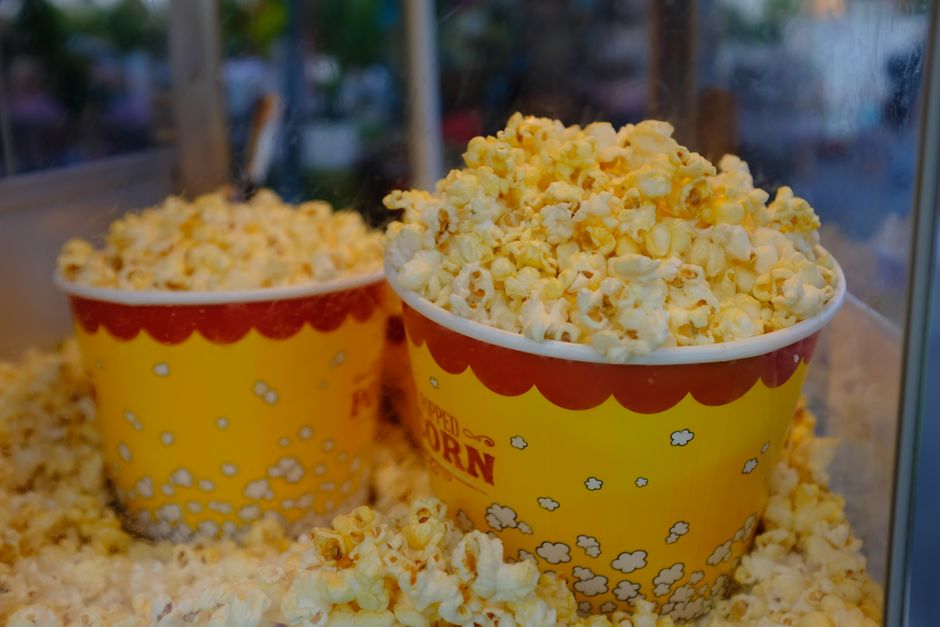
Kettle corn has a few qualities that make it unusually well suited to beginners. The ingredients are cheap and shelf-stable — popcorn kernels, oil, sugar, and salt. The popping process is fast, which means you can produce fresh batches all day and create a sensory experience customers can hear and smell from across the venue. That aroma does your marketing for you. If you want to go deeper on the production side, this popcorn production equipment guide covers everything you need to know.
Lemonade adds a high-margin beverage without adding much complexity. Handmade lemon shakers, in particular, have become a signature item at fairs and festivals because customers can watch them being made and can customize sweetness or flavor. When you sell both together, you turn a single transaction into a combo purchase — often doubling your revenue per customer with almost no additional labor.
Together, these two products cover a wide range of events: farmers markets, county fairs, school fundraisers, festivals, sports tournaments, corporate events, and holiday markets. That versatility means you can book work nearly year-round in most regions.
Choosing the Right Kettle Corn Machine
Your popper is the single most important purchase you’ll make, so it deserves careful thought.

Match output to your venue. A small direct-drive machine may be fine for a weekly farmers market. A busy fair with continuous lines demands a larger kettle that can produce a batch every few minutes without overheating. Underbuying is the more common and more expensive mistake.
Consider appearance, not just performance. Your machine is part of your booth’s presentation. Modern aluminum kettle corn machines offer a cleaner, brighter look than the outdated black kettles many vendors still use — and that visual difference draws attention. Customers photograph booths that look sharp, and that’s free marketing.
Prioritize build quality. Look for machines crafted from durable materials with reliable heating elements or burners, easy-to-clean kettles, and readily available replacement parts. A machine that’s cheap up front but hard to service will cost you far more in missed events.
Buy from a specialist. A supplier who manufactures and supports concession equipment specifically — and who has helped vendors launch in markets around the world — can advise you on sizing, setup, and accessories in ways a general retailer cannot.
If you’re ready to compare options, browse the kettle corn machines collection to see how different models fit different business sizes and venues.
Startup Costs and Simple Profit Math
One of the biggest advantages of a concession business is that you can start lean. A realistic first-year budget might break down like this:
- Equipment: popper, lemonade setup, tent, tables, signage
- Initial inventory: kernels, oil, sugar, salt, lemons, cups, bags
- Permits and insurance: varies widely by state and county, but usually modest
- Event fees: vendor booth fees range from small market rates to premium fair pricing
- Reserve fund: set aside cash for repairs, extra inventory, and slow weeks
Now the fun part. A bag of kettle corn typically sells for several dollars and costs well under a dollar in ingredients. Lemonade margins are similar or better. That means a modest event — say 200 customers at an average ticket of a few dollars — can produce a healthy single-day gross. Multiply that across a season of weekend events and the numbers get serious fast.
The variables that matter most are location traffic, your pricing, and your average ticket. You can’t control foot traffic, but you can absolutely control the other two. Offering combos, jumbo sizes, and a loyalty card are simple, proven ways to raise the average ticket without raising your costs.
Permits, Insurance, and Legal Basics
Requirements vary by state, county, and even individual event, so verify locally before you spend money. In general, plan for:
- Business structure and registration — a sole proprietorship or LLC, plus any local business license.
- Health department permit — required in most jurisdictions for handling food and beverages. Expect an inspection and possibly a food handler’s certificate.
- Liability insurance — usually a general liability policy; many event organizers require a certificate naming them as additional insured.
- Sales tax registration — needed if your state taxes prepared food.
- Fire safety compliance — propane equipment often has specific placement and extinguisher requirements at events.
Do this paperwork early. Permits can take weeks, and no amount of great equipment will get you into a venue without them.
Setting Up Your Booth for Maximum Sales
Concession sales are impulse sales. Your booth has roughly three seconds to earn a customer’s attention.
- Pop in view. Position your machine front and center so passersby see and smell the action. The show is part of the product.
- Price clearly and prominently. Post prices on a large sign. Hidden pricing creates hesitation, and hesitation kills impulse buys.
- Offer tiered sizes and combos. Small, medium, and jumbo bags guide customers upward naturally; a kettle corn plus lemonade combo increases the ticket.
- Keep the line moving. Pre-pop during lulls, pre-bag during rushes, and use a two-person flow if volume demands it.
- Look professional. Clean surfaces, matching table covers, and a tidy setup signal quality food and justify premium pricing.
A well-organized booth doesn’t just look better — it processes customers faster, which directly increases revenue on your busiest days.
How to Grow Beyond Your First Season
Once you’ve worked a few events and know your numbers, growth becomes a matter of repetition and refinement.
Book recurring events. A weekly farmers market guarantees baseline income and builds a customer base that returns for you specifically. Recurring bookings also make your revenue predictable, which makes planning far easier.
Add private gigs. Birthday parties, weddings, corporate picnics, and school carnivals often pay better than public events and require less competition for foot traffic. Your machine is a natural attraction at private events. Vendors who want to move beyond fixed locations often follow the path outlined in this guide to starting a mobile popcorn business.
Expand your menu carefully. Flavored kettle corn, cotton candy, and shaved ice are common next steps — but only add items that share your existing equipment and workflow. Complexity is the enemy of a small operation.
Track everything. Record per-event revenue, costs, customer counts, and weather. After a season, you’ll know exactly which events to repeat and which to skip — and that data is worth more than any advice.
Upgrade equipment as you scale. When demand consistently outpaces your output, a larger or second machine pays for itself quickly. Growing vendors should explore concession accessories and supplies to keep their setup efficient as volume increases.
Conclusion
A successful concession business starter kit isn’t one purchase — it’s a system. Pair the right kettle corn machine with a simple lemonade operation, handle your permits and insurance early, price for profit, and set up a booth that sells itself. Keep your menu focused, track your numbers, and reinvest in equipment as demand grows.
Thousands of vendors have built thriving kettle corn and lemonade businesses with this exact formula. In 2026, the opportunity is as open as it’s ever been. Start lean, choose quality equipment, and treat every event as both a payday and a lesson. Do that, and your startup kit becomes the foundation of a real business.
