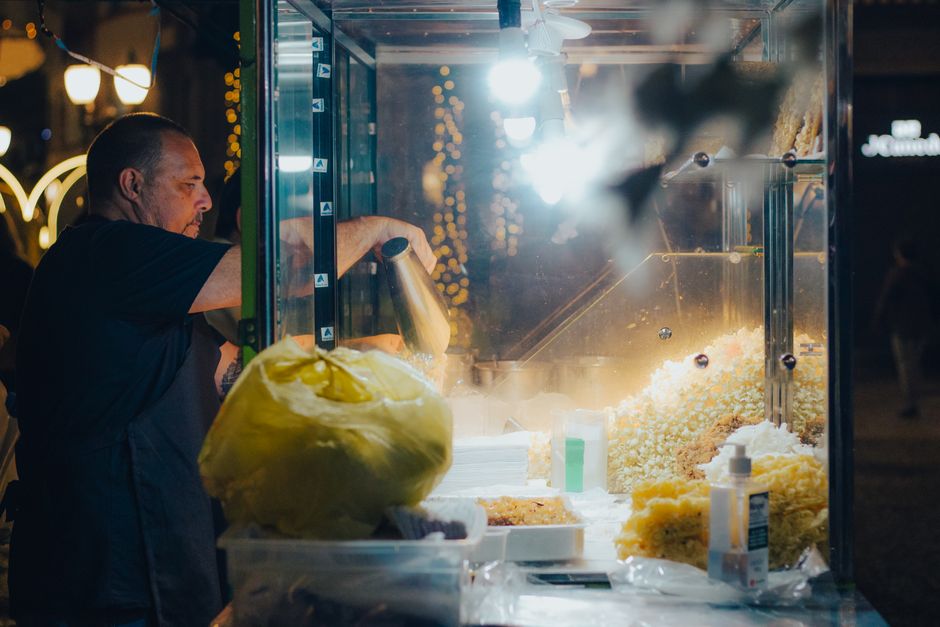
Starting a Mobile Popcorn Business in 2026
A mobile popcorn business is one of the most accessible and profitable concession ideas available today. With low overhead, high margins, and the irresistible smell of fresh-popped kettle corn drawing crowds from a block away, a well-run cart or trailer can generate solid income at festivals, farmers markets, fairs, and private events. This guide walks you through everything you need to know to launch successfully in 2026 — from choosing equipment and permits to pricing, marketing, and scaling your operation.
Why a Mobile Popcorn Business Works
Popcorn kernels cost pennies per serving. A single pound of kernels — often under two dollars wholesale — yields roughly 20 to 25 servings once popped. Sell those servings at $5 to $8 per bag at an event, and the math becomes compelling fast. Few food businesses offer that kind of return on raw materials.

Beyond the margins, mobile popcorn suits a range of lifestyles. You can operate weekends only while keeping a day job, run full-time during festival season, or build a route of recurring private bookings. Your setup is small enough to transport in a van or trailer, and you can park it almost anywhere you can secure a vendor spot.
Kettle corn adds a special advantage: it’s a spectacle. The popping process, the aroma, the sizzle of sugar hitting the kettle — all of it creates a natural crowd magnet. People stop, watch, and buy. That theatrical quality is why kettle corn vendors consistently outperform generic snack stands at outdoor events.
Choosing the Right Equipment
Your popcorn machine is the heart of the business. Choose poorly and you’ll fight inconsistent batches, slow output, and constant repairs. Choose well and the equipment pays for itself many times over. For a closer look at how to evaluate mobile rigs before you buy, see this commercial popcorn machine for outdoor vending guide.
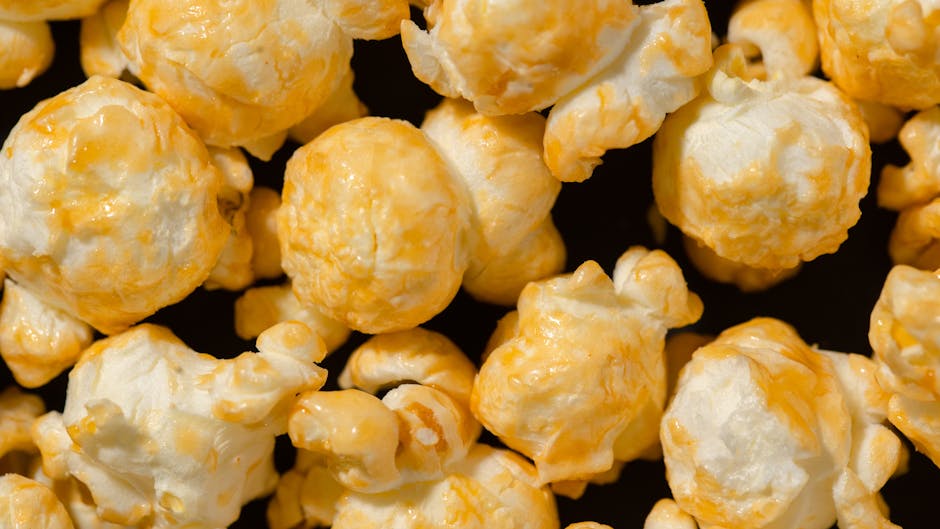
Kettle Corn Machines
For a mobile operation, a dedicated kettle corn popper is the standard choice. These machines pop batches in 3 to 5 minutes, producing 1 to 1.5 gallons per batch depending on the model. Look for machines built from quality materials with reliable stirring mechanisms, because kettle corn requires constant agitation to coat kernels evenly with oil and sugar without burning.
Modern aluminum kettle corn machines have become the preferred option for vendors who want both performance and appearance. Unlike outdated black kettles, a polished aluminum kettle looks clean, bright, and professional — it puts on a show your customers remember. If you’re comparing options, explore the kettle corn machines collection to see how batch size, cart configuration, and finish affect your workflow and your brand image.
Supporting Equipment and Accessories
Your popper is only part of the setup. You’ll also want:
- Propane or electric heat source — propane is standard for mobile use where power isn’t available
- Popcorn kernels — buy in 50-pound bulk bags to maximize margin
- Oil and sugar — coconut oil and fine-grain sugar are industry standards for kettle corn
- Bags and containers — paper bags for volume sales, tubs for premium pricing
- Salt and seasoning shakers — for finishing and flavor variations
- Handwashing station and sanitizer — often required by health departments
- Cash box, card reader, and signage — including clear pricing and payment options
Many vendors also add a lemonade shaker setup. Handmade lemonade pairs naturally with kettle corn, raises your average transaction value, and gives customers a reason to stop even when they aren’t hungry. Browse popcorn equipment accessories to build out a complete, event-ready kit rather than piecing things together mid-season.
Licenses, Permits, and Legal Requirements
Requirements vary by location, but most mobile popcorn vendors need some combination of the following:

- Business registration — a sole proprietorship, LLC, or similar entity structure depending on your goals and liability preferences
- Business license — issued by your city or county
- Health department permit — food handler certification and a mobile food unit inspection are common
- Sales tax permit — required if your state taxes prepared food
- Fire inspection or propane certification — frequently required when using open flame or propane equipment
- Vendor permits — separate, event-specific fees for each festival or market you attend
Start with your local health department, since food safety rules drive most of your operational decisions — handwashing, food storage temperatures, and equipment sanitation all fall under their jurisdiction. Budget a few hundred to a couple thousand dollars for licenses and permits in your first year, depending on your area.
Finding the Best Locations and Events
Location determines revenue more than almost any other factor. Prioritize venues with foot traffic, dwell time, and a willingness to spend.
High-performing spots include:
- Fairs, carnivals, and county festivals
- Farmers markets and flea markets
- Concerts, sporting events, and movie nights
- Holiday markets and seasonal celebrations
- Car shows, rodeos, and community fundraisers
- Private bookings — birthdays, weddings, corporate events, school carnivals
Private events deserve special attention. They typically pay a flat fee plus per-serving charges, have no competing vendors, and book in advance — giving you predictable income. A single well-served corporate event can outperform a full day at a crowded market.
Apply for vendor spots early. Popular festivals fill their concession roster months in advance, and established events often give returning vendors priority. Build relationships with event organizers; repeat invites are worth more than one-off gigs. If you’re still weighing the broader opportunity, this overview of starting a concession food business in 2026 covers the fundamentals.
Pricing, Costs, and Profitability
Pricing strategy should reflect your costs, your market, and the experience you deliver. As a starting framework:
- Small bag: $5–$6
- Large bag: $8–$10
- Family-size or bucket: $15–$20
- Lemonade: $5–$7 per cup
- Combo (popcorn + drink): $12–$15
On the cost side, a typical mobile popcorn setup in 2026 runs:
- Kettle corn machine and cart: $1,500–$6,000 depending on size and finish
- Initial supplies: $300–$600
- Licenses and permits: $200–$2,000
- Event fees: $50–$800 per event, sometimes a percentage of sales
- Transportation: vehicle or trailer, plus fuel and maintenance
Most vendors break even within their first season and turn a meaningful profit in their second. The key is volume: sell at enough events, keep your per-bag cost low, and upsell drinks and larger bags consistently.
Marketing Your Mobile Popcorn Business
Great popcorn sells itself once people taste it — your job is getting them to stop the first time.
Visual appeal matters. A clean, attractive cart with polished aluminum kettles catches the eye and signals quality. Signage should communicate three things instantly: what you sell, what it costs, and how to pay.
Aroma is your best advertisement. Pop continuously during peak hours rather than in batches. The smell travels and pulls people in.
Build a local presence. Create a simple website or social profile listing your upcoming events and how to book you for private parties. Post short videos of the popping process — it performs well on social media and costs nothing.
Collect bookings, not just sales. Put a QR code on your cart linking to a booking form. Every customer is a potential private event client.
Reward repeat customers. A punch card or text-message club keeps your regulars coming back at markets you attend weekly.
Scaling Beyond a Single Cart
Once your first cart is profitable, growth options open up. You can add a second unit and hire an operator for simultaneous events. You can specialize in private catering at premium rates. You can expand your menu with cotton candy, snow cones, or flavored popcorn lines. You can also move into wholesale — supplying local retailers, breweries, or gift shops with packaged kettle corn.
The vendors who scale fastest are those who treat the business systematically: consistent recipes, reliable equipment, organized event calendars, and clean financial records. Treating your cart like a real business from day one makes expansion far easier later.
Getting Started This Season
Starting a mobile popcorn business in 2026 is genuinely achievable for a motivated beginner. The equipment is affordable, the product is universally loved, and demand for event concessions continues to grow. Your next steps are straightforward: choose a quality kettle corn machine that fits your budget and volume goals, complete your licensing, secure your first few events, and set a pricing structure that protects your margins.
Vendors who invest in well-built equipment and treat the operation with care consistently outperform those who cut corners. A modern, high-performance kettle corn setup doesn’t just pop better — it draws attention, builds trust, and gives customers a show worth coming back for. Whether you’re launching your first cart this spring or planning a multi-event route for festival season, the foundation you build now determines how far the business can grow.
