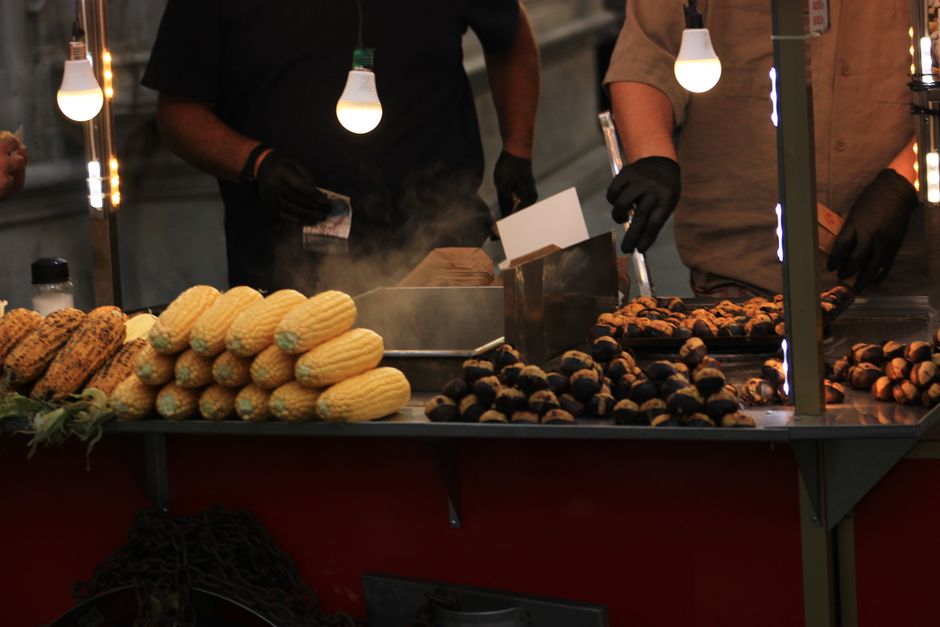
Professional Kettle Corn Maker: 2026 Guide
A professional kettle corn maker is more than a popcorn machine — it is the centerpiece of a concession business, the engine of your daily revenue, and often the reason a customer stops walking and starts watching. Whether you are launching your first trailer setup or adding a second unit to keep up with weekend demand, the equipment you choose shapes how fast you pop, how consistent your product tastes, and how memorable the experience is for the crowd standing in front of you.
This guide covers everything a current or aspiring operator needs to know in 2026: how professional kettles actually work, what separates commercial-grade equipment from consumer imitations, how to price your product, how to maintain your machine, and how to run kettle corn alongside a lemonade shake business for maximum profit per event.
What Makes a Kettle Corn Maker “Professional”?
Walk through any fairground or farmers market and you will see the difference immediately. A professional kettle corn maker is built for volume, durability, and speed. Where a home popper produces a few quarts at a time and overheats after an hour, commercial equipment is engineered to run all day, batch after batch, without losing heat recovery or flavor consistency.

Several design elements define professional-grade equipment:
- Large-capacity kettles. Commercial kettles typically range from 4 to 10 ounces, with some high-output models built for larger batches. Bigger batches mean fewer cycles, less downtime, and more bags per hour.
- Powerful, even heat systems. Gas-fired and high-wattage electric systems both appear in commercial setups. The key is even heat distribution across the entire kettle surface so sugar caramelizes uniformly instead of scorching in one spot.
- Motorized stirring. Kettle corn requires constant agitation. Sugar burns instantly if it sits still, so a reliable gear-driven stirrer is non-negotiable.
- Dump-and-serve mechanics. Ease of tipping the kettle, plus a warm holding deck, lets one operator run a full production line solo during a rush.
- Commercial construction. Stainless steel frames, heavy-duty bearings, and serviceable components separate equipment that lasts a decade from equipment that lasts a season.
Aluminum kettle bodies have become a popular modern alternative to the traditional black kettles of decades past. Beyond performance, a bright aluminum finish gives your booth a cleaner, more contemporary look and puts the popping action on full display — which matters, because kettle corn sells itself when customers can see and smell it working.
Gas vs. Electric: Choosing the Right Setup
Both fuel types work, and the right answer depends on where you vend.

Gas kettle corn machines
Propane-fired kettles are the workhorse of mobile concessions. They heat quickly, recover temperature fast between batches, and free you from the electrical limitations of festival grounds. If you tow a trailer and vend outdoors, gas is usually the practical choice, and you can read more about a commercial popcorn machine for outdoor vending before you commit. You will need proper ventilation and safe propane handling, but the throughput advantage is real during peak hours.
Electric kettle corn machines
Electric models suit indoor malls, covered markets, and permanent storefronts where running a propane line is impractical or prohibited. Modern high-wattage electric kettles deliver excellent consistency, and many operators prefer them for the precise, repeatable heat control that produces a uniform caramel glaze on every kernel.
Many successful operators eventually run both: gas for outdoor events and electric for indoor or fixed locations. If you are just starting, match your machine to your most common vending environment rather than trying to cover every scenario at once.
Running a Profitable Kettle Corn Business in 2026
Equipment is the foundation, but profit comes from operations. Here is how experienced vendors structure a kettle corn business today.
Know your cost per bag
Kettle corn has famously attractive margins. Kernels, oil, sugar, and salt cost relatively little per serving; the real expenses are equipment depreciation, propane or electricity, bags, permits, and your time. Calculate cost per bag honestly, then price at a multiple that reflects your market. At fairs and festivals, a healthy markup is normal and expected — customers are buying an experience, not just popcorn.
Sell the show
The single biggest advantage a kettle corn maker has over a pre-packaged snack vendor is theater. The lid lifts, the steam rises, the sugar hits the hot kettle with that unmistakable sizzle, and the aroma reaches people three aisles away. Set your machine at the front of the booth, never hidden behind it. Time your batches so the popping and dumping happen when foot traffic peaks, and remember that small details like a lemonade stand setup can turn a single sale into a full-blown destination.
Add lemonade shakes
Kettle corn and handmade lemonade shakes are a classic pairing for a reason: the sweet-salty crunch drives thirst, and a fresh-shaken lemonade commands premium pricing. Running both from one booth increases average transaction size without doubling your footprint. A complete kettle corn business equipment lineup designed to support both product lines lets one or two people handle a busy line efficiently.
Build a repeat-event calendar
Single events are exhausting and unpredictable. The operators who thrive treat vending as a route: the same farmers market every Saturday, the same festival every summer, the same holiday pop-ups every December. A dependable professional kettle that starts every time makes that schedule sustainable.
Essential Features Checklist
Before buying any machine in 2026, verify these points:
- Kettle size and output rating. Match batch size to your expected hourly volume, not your biggest hypothetical day.
- Heat-up and recovery time. Faster recovery equals more batches per hour during the rush that actually pays your bills.
- Stirrer reliability. Ask about motor specs, gearing, and replacement part availability.
- Ease of cleaning. Sugar residue hardens like cement. Removable kettles and accessible interiors save you an hour every night.
- Parts and service support. A machine without a parts pipeline is a paperweight. Confirm that wear items are stocked and shipping is fast.
- Mobility and footprint. If you vend in multiple locations, cart or trailer compatibility matters as much as popping speed.
- Appearance. Your kettle is your storefront. A polished, modern finish draws attention; a battered, soot-stained unit repels it.
Maintenance and Safety Best Practices
A professional kettle corn maker rewards care with years of service. The routine is simple but must be consistent.
- Clean after every event. Wipe down the kettle while it is still warm, scrape sugar residue thoroughly, and empty the crumb tray. Never let caramelized sugar sit overnight.
- Inspect the stirrer and drive components weekly. Loose fittings and worn bushings cause uneven stirring, which causes burnt batches.
- Check gas lines and connections before every outdoor event. Soapy water on fittings reveals leaks quickly. Keep a fire extinguisher rated for your fuel type within reach at all times.
- Never leave a hot kettle unattended. Kettle corn popping happens fast, and a batch left in a hot kettle for even a minute too long turns bitter.
- Store equipment dry. Moisture and steel do not mix. Cover your machine between events and store it out of the weather.
- Keep a spare parts kit. Extra stirrer paddles, fuses, thermocouples, and a backup power or fuel connection prevent a small failure from ending your weekend.
Frequently Asked Questions
How much kettle corn can a professional machine produce per hour?
Output depends on kettle size, batch time, and operator efficiency. Smaller commercial kettles produce modest volumes suitable for markets and small events, while larger high-output machines keep multiple staff members bagging continuously during peak festival hours. Focus on your realistic hourly demand, then choose the machine that meets it with room to spare.
Is kettle corn equipment a good investment?
For operators who treat vending as a business rather than a hobby, yes. The equipment is durable, the ingredients are inexpensive, and the product has strong impulse-purchase appeal. If you want the bigger picture on scheduling, permits, and scaling, review how to start a concession food business in 2026 before you buy. Many vendors recover their initial equipment cost within a single season of regular events.
Can I run kettle corn and lemonade from one booth?
Absolutely, and it is one of the most profitable combinations in concessions. The two products complement each other, and both are made fresh in front of the customer — which is exactly what draws a crowd.
How do I choose between a new machine and a used one?
Used equipment can work if you can inspect it thoroughly and confirm parts availability. However, warranty coverage, modern safety features, and updated designs — including the shift toward bright aluminum kettles built for both performance and appearance — often justify buying new.
Getting Started with the Right Equipment
The kettle corn business rewards operators who invest in proper equipment and then put in the hours. A machine built for commercial volume lets you pop faster, waste less, and present a booth that looks as good as your product tastes. Kettle Corn Machine manufactures and sells top-quality kettle corn poppers, equipment, and accessories designed for exactly that purpose — from modern aluminum kettle machines that give your customers a show worth remembering to the lemonade shake equipment that rounds out a full concession menu.
Operators across the United States and around the world — in Japan, Guam, Australia, the Caribbean, Nova Scotia, Europe, Mexico, and Russia — have built successful kettle corn businesses with this equipment. In 2026, the opportunity is still wide open in most markets. Choose a professional kettle corn maker that matches your vending style, treat maintenance as a non-negotiable routine, price your product with confidence, and give the crowd a reason to stop, watch, and buy a bag.
