Starting a Concession Food Business in 2026
A concession food business is one of the most accessible and rewarding paths into entrepreneurship. Low overhead, high margins, and the freedom to choose where and when you work make it an attractive option for first-time operators and seasoned vendors alike. Whether you dream of popping fresh kettle corn at fairs, squeezing handmade lemonade at festivals, or building a multi-unit operation that travels a regional circuit, the fundamentals are the same. This guide walks you through everything you need to know to get started in 2026 — from choosing your niche and sourcing equipment to permits, pricing, and marketing.
Why Concession Food Is a Smart Business Model
Concession food businesses thrive because they solve a simple problem: hungry crowds want something fresh, fun, and fast. Unlike a brick-and-mortar restaurant, a concession stand moves to where the customers already are. That flexibility keeps costs down and revenue potential high.

Consider the advantages:
- Low startup costs: A cart, tent, or trailer setup costs a fraction of a restaurant build-out.
- High margins: Popcorn, kettle corn, and lemonade are made from inexpensive ingredients with excellent profit potential.
- Cash flow: You collect money on the spot — no invoicing, no waiting 30 days.
- Flexibility: Work weekends only, or scale into a full-time seasonal business.
- Scalability: Add locations, hire staff, and expand into new events as you grow.
The key is picking a product with proven demand. Kettle corn and lemonade are perennial favorites because they offer a sensory experience — the smell of popping corn draws crowds from across a fairground, and the sight of fresh-squeezed lemonade signals quality. If you want to see how operators turn this model into a repeatable success, this guide on how to make a successful food stand in 2026 is a great next read.
Choosing Your Niche and Product Line
Before you buy a single piece of equipment, decide what you’ll sell. The best concession products share three traits: they’re simple to produce, they have a strong visual or aromatic appeal, and they travel well.

Popular options in 2026 include:
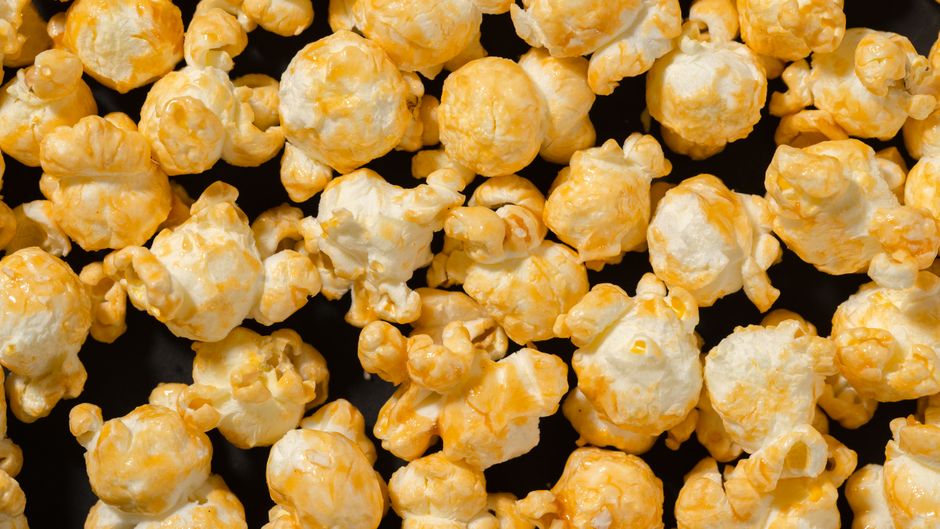
- Kettle corn: Sweet-and-salty popcorn cooked in a large kettle, often in front of customers.
- Lemonade: Handmade “lemon shakers” and fresh-squeezed varieties.
- Funnel cakes and fried dough: Classic fair fare with devoted fans.
- Cotton candy, snow cones, and shaved ice: Low-cost, kid-friendly staples.
- Gourmet popcorn: Flavored varieties sold by the bag for take-home purchase.
Kettle corn and lemonade are a particularly powerful combination. They complement each other, share similar event calendars, and can be operated from a single stand. Many successful vendors start with one product and add the second once they’ve learned their local market.
From a nutritional standpoint, it helps to understand what you’re selling. Popcorn is a whole grain, and the USDA’s MyPlate guidance recognizes whole grains as an important part of a balanced diet — a useful talking point when customers ask about your ingredients.
Equipment: The Foundation of Your Business
Your equipment determines how fast you can serve customers, how good your product tastes, and how long your business lasts. Cutting corners here is the most common mistake new vendors make.

Kettle Corn Poppers
A quality kettle corn machine is the heart of your operation. Modern aluminum kettle corn machines offer a strong advantage over older black kettles: they heat faster, pop more efficiently, and put on a show your customers will remember. The shiny, high-performance design catches the eye and reinforces the idea that your product is fresh and high-quality.
When evaluating a popper, look for:
- Fast, even heating so you can keep up during peak rush times
- Durable construction from materials that hold up to daily use
- Easy cleaning between batches and at the end of the day
- Attractive appearance that draws attention on the midway
Supporting Equipment
Beyond the popper, you’ll need bags and packaging, a display or warming setup, a tent or trailer, signage, and a reliable cash-handling or card-payment system. For lemonade, add a commercial juicer, shakers, ice storage, and a serving counter. If lemonade is on your menu, this lemonade stand business supplies guide breaks down exactly what to buy.
The right supplier matters as much as the right machine. Working with an established kettle corn equipment manufacturer means you get support, spare parts, and advice from people who understand the vending business — not just a box shipped from a warehouse. For a complete breakdown of what to buy first, see this kettle corn business equipment guide.
Licenses, Permits, and Food Safety
Regulations vary widely by state, county, and even individual event. In most jurisdictions, you’ll need some combination of:
- A business license registered with your state or locality
- A food handler’s permit for you and any employees
- A health department permit for your commissary or mobile unit
- A vendor or peddler’s license for selling in public spaces
- Liability insurance, often required by event organizers
Food safety is non-negotiable. Practice proper handwashing, keep hot foods hot and cold foods cold, store ingredients off the ground, and maintain clean surfaces. The NHS Eat Well guidance offers clear, practical principles for handling and preparing food safely that translate well to any market.
Start your permit research early. In many areas, health department inspections can take weeks to schedule, and missing one can delay your first event.
Finding Events and Building a Route
Concession revenue is driven by foot traffic. Your job is to be where the crowds are, consistently, all season long.
Promising venues include:
- County and state fairs
- Music and arts festivals
- Farmers markets and street fairs
- Youth sports tournaments and school events
- Holiday celebrations and community festivals
- Corporate events and private parties
Apply to events early — many juried fairs book vendors six to twelve months in advance. Build relationships with organizers, show up on time, keep a clean booth, and you’ll be invited back year after year. Over time, a reliable route of repeat events becomes the backbone of a stable business. Outdoor events in particular demand gear that can handle the weather, and this guide to commercial popcorn machines for outdoor vending covers what to look for.
Pricing, Marketing, and Standing Out
Pricing should cover your ingredients, event fees, labor, and a healthy profit. Many vendors use a simple formula: total cost per serving multiplied by three to four. Check local competitors to stay in range, but don’t compete on price alone — compete on experience.
Marketing a concession business is largely about presence and presentation:
- Signage: Bold, readable from a distance, with clear pricing
- Scent and sound: Fresh-popped corn and the rhythm of the popper are your best advertisements
- Social media: Post your event schedule so regulars can find you
- Sampling: A small free taste converts curious passersby into paying customers
- Branding: Consistent colors, a memorable name, and a clean booth build trust
The most successful vendors treat every customer interaction as a performance. A smiling face, a fast transaction, and a great-tasting product create word-of-mouth that no advertising budget can buy.
Getting Started: Your First 90 Days
A practical launch plan looks like this:
- Weeks 1–2: Choose your product, research local regulations, and register your business.
- Weeks 3–4: Purchase your kettle corn machine and supporting equipment from a reputable manufacturer.
- Weeks 5–6: Secure permits, insurance, and a commissary or storage arrangement.
- Weeks 7–8: Practice popping, perfect your recipe, and time your production speed.
- Weeks 9–12: Book your first events, set up your booth, and start selling.
Start small. One well-run stand at a busy event will teach you more than months of planning. Reinvest your profits into better equipment, more inventory, and additional event bookings.
Conclusion
Starting a concession food business in 2026 is more achievable than ever. With low startup costs, proven demand for treats like kettle corn and fresh lemonade, and a clear path from single stand to multi-event operation, the opportunity is real — but success comes down to execution. Choose the right products, invest in quality equipment, respect the regulations, and show up ready to serve with a smile.
If you’re ready to get popping, work with a kettle corn machine manufacturer that understands the vending business and is committed to your success. From your first bag of kettle corn to a full seasonal route, the right equipment and the right partner make all the difference.
