Lemonade Stand Business Supplies: Full Guide
Ask anyone who has run a lemonade stand what made the difference between a slow afternoon and a sold-out Saturday, and you will hear the same answer: the supplies. Not just the lemons and the sugar, but the right equipment, the right setup, and the right plan for keeping product cold, fresh, and moving. A lemonade stand is one of the most accessible small businesses in the world, and in 2026 it is also a completely legitimate one. From neighborhood kids earning their first summer money to full-scale concession operators adding a second revenue stream next to a popcorn or kettle corn machine, the supplies you choose determine how much you sell and how quickly you recoup your investment. If you are planning a broader concession operation, it also helps to study how to make a successful food stand in 2026 before you commit to a menu.
This guide covers everything you need to build a lemonade stand business, whether you are spending fifty dollars at a grocery store or a few thousand dollars building a professional concession trailer setup.
The Core Supplies for Any Lemonade Stand
Every lemonade operation, from a folding card table to a food trailer, needs the same fundamental supplies. What changes is quality, volume, and durability.
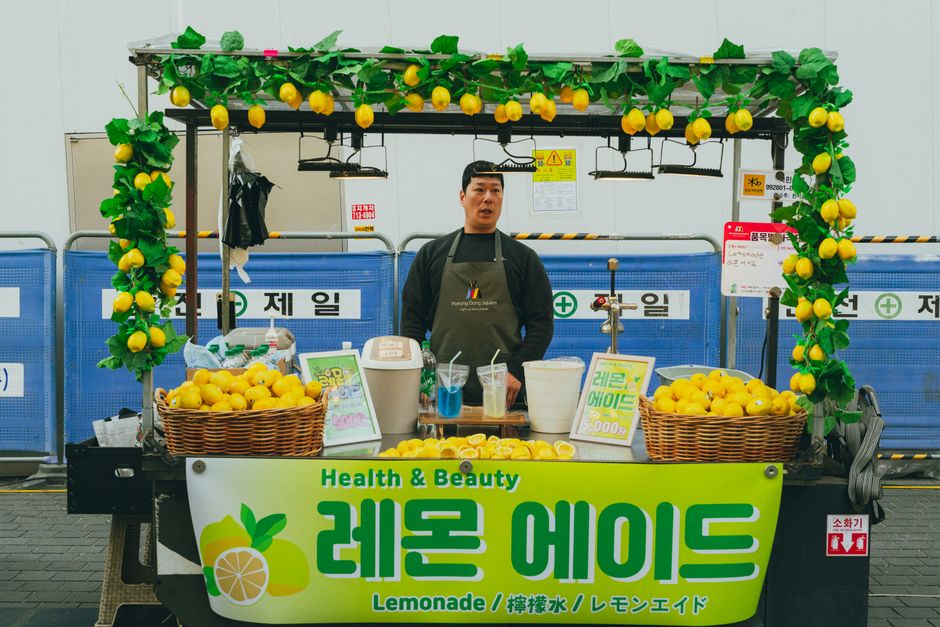
- Lemons or lemon concentrate. Fresh lemons produce the best flavor and the best story. Frozen or bottled concentrate is cheaper, faster, and more consistent. Many successful vendors use a hybrid: fresh lemons for garnish and visual appeal, concentrate for the base volume.
- Sugar or simple syrup. Granulated sugar dissolves poorly in cold water. Simple syrup, made by dissolving sugar in hot water, mixes instantly and lets you control sweetness without gritty texture. This is one of the cheapest upgrades you can make.
- Water and ice. Filtered water matters more than most beginners expect. Tap water with a strong chlorine taste will flatten your flavor no matter how good the lemons are.
- Pitchers or beverage dispensers. Standard restaurant-grade dispensers hold two to five gallons and have a spigot that does not drip. Cheap plastic pitchers crack and leak within a season.
- Cups, lids, and straws. Buy in bulk cases of 500 or 1,000. Paper cups work for short events; clear plastic cups with dome or flat lids look more professional and let customers see the product.
- Signage and menu boards. Handwritten is fine for a driveway stand. If you are selling at a market, farmers market, fair, or festival, printed pricing signs and flavors reduce questions and speed up transactions.
Rounding out the basics: a cash box with change, a trash container, napkins, and a cooler or two for backup stock.
Equipment That Separates a Stand From a Real Business
Once you move past the hobby stage, equipment becomes the difference between selling a few hundred cups a season and building something that scales.

Commercial juicers
A manual citrus press works fine for small volumes, but it will destroy your hands and your patience during a rush. Countertop electric citrus juicers handle dozens of lemons per minute and are the single most impactful piece of equipment for a growing lemonade operation. For higher volume, commercial lever presses extract more juice per fruit and produce a more consistent yield.
Refrigeration and ice management
Running out of ice in July is a business-ending event for the day. Many vendors run a two-cooler system: one for finished lemonade and one reserved strictly for ice. If you plan to do events regularly, a small commercial ice machine or a relationship with a local ice supplier is worth the setup cost. Some vendors skip ice entirely and use frozen lemonade slush machines, which eliminate the dilution problem and let you sell a premium frozen product.
Beverage machines and slush units
Frozen lemonade, slush, and granita machines expand your menu with almost no added labor. They also let you charge more per cup. A frozen product with a consistent texture is one of the highest-margin items you can sell at a fair or festival, especially in hot weather.
Display and service counters
Fold-out counters, riser shelves, and tiered display racks raise your product to eye level, which increases visual appeal and sales. A clean, elevated setup simply looks like a business rather than a lemonade stand, and customers respond accordingly.
Building Your Cart, Booth, or Trailer
Your physical setup needs to match your venue and your volume.

Pop-up booths (markets, school events, community days)
A pop-up canopy with sidewalls, weights, and a folding table is enough to launch. Add a small countertop juicer, two or three dispensers, a cooler with ice, and printed signage. Total investment is modest, and the entire setup fits in a car trunk.
Mobile carts (parking lots, parks, downtown foot traffic)
A dedicated lemonade cart gives you wheels, storage, and a built-in work surface. Choose a cart with locking casters or pneumatic tires, a durable frame, and enough internal space for coolers, cups, and change. Stainless steel or powder-coated finishes hold up to daily use and weather.
Concession trailers (fairs, festivals, multi-day events)
For serious operators, a trailer with a power hookup, a sink area, refrigerated storage, and counter space lets you run full multi-item menus. This is where operators often pair a lemonade setup with a popcorn or kettle corn machine, so customers can buy a drink and a snack in one transaction. The average ticket jumps considerably when a savory or salty product sits next to the lemonade, and selecting the right food service equipment for festivals becomes essential as your event schedule fills up.
Whichever route you choose, verify your local requirements before you buy. In 2026, most jurisdictions require a food handler certificate, temporary food vendor permits, and in some cases a health inspection for anything beyond a simple lemonade stand. Requirements vary widely between cities and counties, so check with your local health department and business licensing office first. A small permit fee is nothing compared to being shut down on your best sales day.
Building a Full Concession Menu Around Lemonade
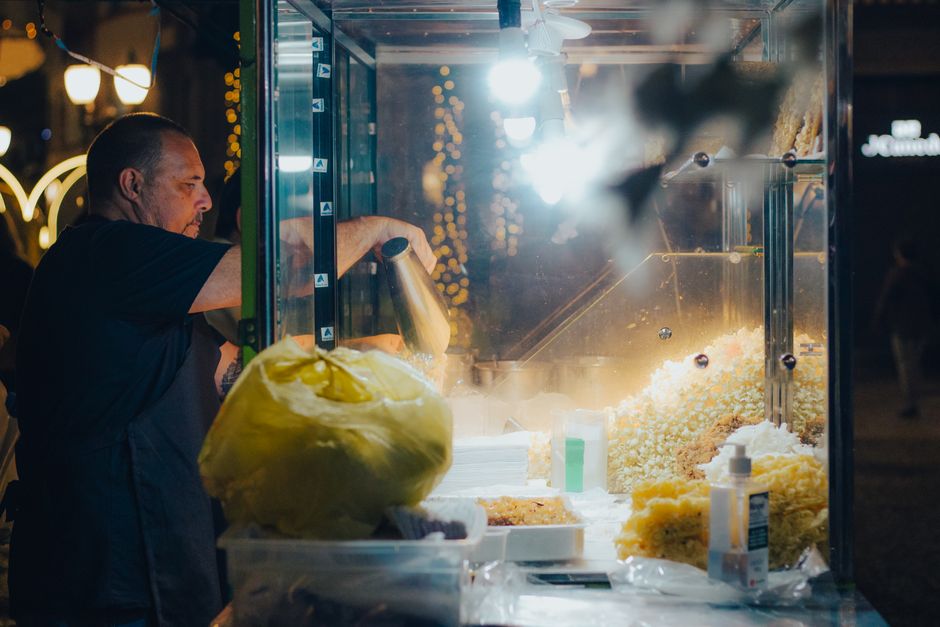
Lemonade is a seasonal product in many markets, but a beverage business can operate all year when it is anchored to food. This is where pairing lemonade with freshly popped kettle corn works exceptionally well. Kettle corn is fast to make, has a high perceived value, has excellent shelf life for a food product, and pairs naturally with a cold drink. The smell alone draws a crowd from a hundred feet away, and savory, salty snacks increase beverage sales because customers drink more when they are eating something salty. Before you expand, it pays to review a complete kettle corn business equipment guide so your second product line runs as smoothly as your first.
Operators running both products typically see the kettle corn machine pay for itself within a season, because popcorn costs are low, popping is fast, and the product can be bagged fresh and sold within minutes. The two-product model also smooths out demand: lemonade peaks in summer heat, kettle corn peaks at fall festivals, fairs, and holiday markets. Together, they keep a concession business running through more of the year.
Our kettle corn machines are built from the finest materials for fast, efficient popping, and our latest aluminum kettle corn poppers are designed to deliver both performance and appearance. Beyond popcorn equipment, we make the best handmade Lemon Shakers, which give vendors a distinctive product to build a brand around. For years we have helped hundreds of kettle corn businesses worldwide get popping, including operators in Japan, Guam, Australia, the Caribbean, Nova Scotia, Europe, Mexico, Russia, and the USA.
Supplies to Buy in Bulk vs. Buy Small
Knowing where to spend is one of the most important skills in concession vending. A solid mobile catering business plan equipment list can keep your purchases organized and prevent duplicate buys.
- Buy in bulk: cups, lids, straws, napkins, sugar, lemon concentrate, cleaning supplies. These are predictable, non-perishable, and cheaper by the case.
- Buy small at first: premium flavors, specialty syrups, and decorative items. Test demand before committing to a full case of something customers may not want.
- Buy quality once: juicers, dispensers, coolers, carts, and any cooking equipment. Cheap equipment fails at the worst possible moment, usually during your busiest hour.
- Buy seasonal: fresh lemons, mint, berries, and other perishables. Buy close to your selling day from a local supplier to keep costs down and quality up.
A simple rule: consumables in bulk, equipment for the long term, and ingredients fresh and local.
Costs, Pricing, and Profit Basics
The math behind a lemonade business is simple, and that is exactly why it works. Consider a standard cup:
- Cup, lid, and straw: a few cents
- Lemons or concentrate per cup: a few cents to about a quarter
- Sugar, water, and ice: negligible per cup
- Total cost per 12–16 oz cup: typically under fifty cents
Selling that cup for three to five dollars at a market or event leaves a healthy gross margin, and an expanded menu of frozen lemonade, flavored lemonade, and kettle corn raises your average transaction further. Your main fixed costs are permits, insurance, equipment, and any pitch fees charged by event organizers. Do a simple break-even calculation before your first event: total fixed costs divided by your average profit per cup tells you exactly how many cups you need to sell to come out ahead. Once you know that number, you can price and staff accordingly.
Also track waste. Lemonade ingredients are cheap, but throwing out melted ice, spoiled fruit, and unused cups every weekend quietly eats your profit. Sell in sizes that match your typical customer, prep in batches you can realistically move, and never over-buy perishables for an untested event.
Getting Started in 2026
The best approach is to start small, learn fast, and reinvest. Begin with a basic supply kit, one quality juicer, and one dependable beverage dispenser. Sell at a single local event. Pay attention to which flavors sell out, which price points do not slow anyone down, and how much ice you actually use per hour. Then upgrade the part of your operation that limits you most, whether that is a better cart, a second dispenser, a frozen drink machine, or a complementary food product.
Lemonade stand business supplies do not have to be complicated or expensive to work. They have to be reliable, presentable, and matched to your volume. Get those three things right, and you will have a concession business that grows from a single sunny afternoon into a real source of income, season after season.
