
How to Make a Successful Food Stand in 2026
Starting a food stand can be one of the most rewarding entrepreneurial ventures, offering low overhead costs and the flexibility to operate at festivals, farmers markets, sporting events, and community gatherings. However, success requires more than just great food—it demands careful planning, quality equipment, strategic marketing, and exceptional customer service. Whether you’re considering a kettle corn stand, lemonade booth, or other specialty food concession, this comprehensive guide will walk you through the essential steps to build a thriving food stand business.
Choose Your Niche and Perfect Your Product
The foundation of any successful food stand begins with selecting the right product. Consider items that are portable, have high profit margins, and appeal to a broad audience. Kettle corn, fresh lemonade, pretzels, and specialty popcorn are perennial favorites because they’re affordable to produce, travel well, and create minimal mess for customers on the go.

Focus on perfecting your recipe before launching. Test different flavor profiles, ask for honest feedback from friends and family, and refine your process until you achieve consistency. Quality matters—customers can taste the difference between mediocre and exceptional products, and word-of-mouth recommendations are invaluable for building your business.
Consider specializing in a specific offering rather than trying to do everything. A stand known for the best kettle corn in town will build a stronger brand identity than one offering twenty different items with varying quality levels. Specialization also simplifies your operations, reduces equipment costs, and makes inventory management more straightforward.
Invest in Professional-Grade Equipment
Your equipment is the engine of your food stand business. Cheap, unreliable machinery leads to downtime, inconsistent product quality, and frustrated customers. Investing in professional-grade equipment from the start saves money in the long run and positions your business for sustainable growth.

For kettle corn operations, modern aluminum kettle corn machines offer significant advantages over traditional black kettles. These contemporary poppers provide faster heating, more efficient fuel consumption, and create an eye-catching visual display that draws customers. The performance benefits translate directly to higher production capacity during peak hours, meaning you can serve more customers and increase revenue.
Look for equipment built from durable materials designed to withstand constant use and transportation. Your popper, serving supplies, and accessories should be easy to clean, maintain, and repair. Establish relationships with manufacturers who provide ongoing support, replacement parts, and guidance as your business grows.
Don’t overlook the importance of presentation equipment. Professional signage, attractive serving containers, and a well-organized booth display convey professionalism and encourage impulse purchases. Customers are more likely to buy from stands that look established and trustworthy. For more details, explore options for easy to set up food booth equipment.
Navigate Permits, Licensing, and Health Regulations
Compliance with local regulations is non-negotiable for food stand operators. Requirements vary significantly by location, so research the specific rules in your city, county, and state well before your planned launch date.
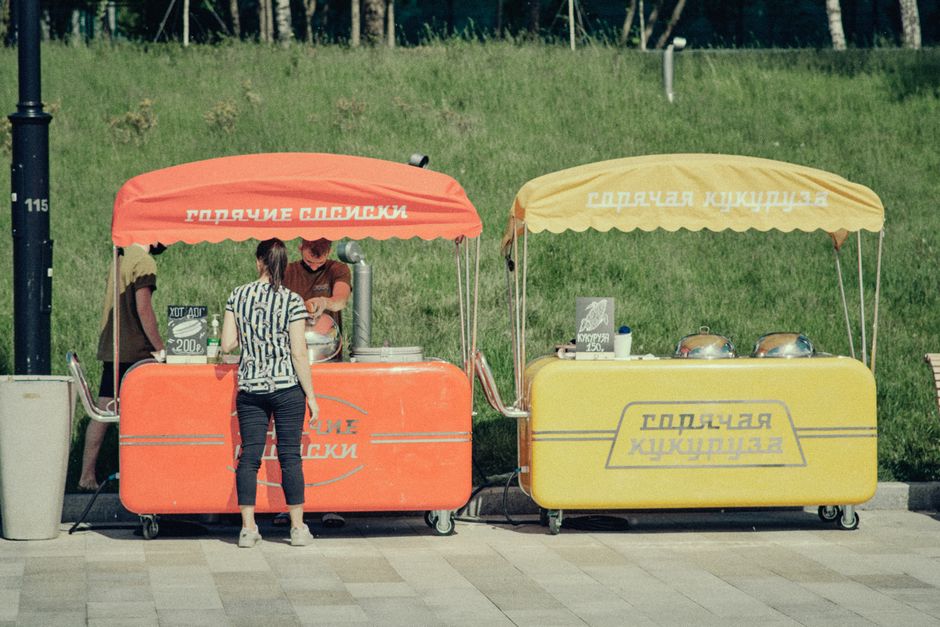
Most jurisdictions require a business license, food handler’s permit, and health department inspection. Some locations mandate commissary agreements, where you prepare food in a certified commercial kitchen rather than at home. Mobile food vendors often need additional permits for each event or location where they operate.
Contact your local health department early in the planning process to understand requirements for food preparation, storage, temperature control, handwashing facilities, and waste disposal. Many departments offer consultations for new food vendors, helping you avoid costly mistakes before purchasing equipment or inventory. A solid mobile catering business plan should always include these considerations.
Obtain adequate liability insurance to protect your business from potential claims. Many event organizers require proof of insurance before allowing vendors to participate, typically with minimum coverage of one million dollars. Insurance costs are manageable and provide essential peace of mind as you operate.
Develop a Strategic Marketing and Location Plan
Even the best product won’t succeed if customers can’t find you. Develop a multi-channel marketing strategy that combines digital promotion with strategic location selection.
Create social media profiles on platforms where your target customers spend time. Post regularly with appetizing photos, behind-the-scenes content, and your upcoming schedule. Engage with followers, respond to comments, and use location tags to increase discoverability. Consider running targeted ads for specific events where you’ll be operating.
Build an email list to notify loyal customers about your schedule, new flavors, and special promotions. Offer a discount or free sample in exchange for email signups at your booth. This direct communication channel becomes increasingly valuable as your business grows.
Location selection can make or break your daily revenue. High-traffic events with the right demographic are crucial. Research festivals, farmers markets, sporting events, concerts, and community gatherings in your area. Start by applying to established events with proven attendance numbers rather than untested venues.
Evaluate each opportunity based on vendor fees, expected attendance, competition, and event duration. A high vendor fee might be worthwhile for a well-attended festival, while lower-cost opportunities work better when building your reputation. Track your results at each location to identify your most profitable venues and build relationships with event organizers for priority placement in future years. Speaking of popular offerings, learning a good lemonade recipe for large crowds can be a game-changer.
Master Your Operations and Customer Service
Efficient operations separate profitable stands from struggling ones. Develop systems for setup, production, sales, and breakdown that minimize wasted time and maximize selling hours.
Arrive early to secure optimal booth placement and complete setup before crowds arrive. Organize your workspace logically so frequently used items are within easy reach. Prepare ingredients and supplies in advance to avoid scrambling during busy periods. Practice your production process until you can maintain consistent quality even during peak rushes.
Implement a simple point-of-sale system, even if it’s just a mobile card reader and cash box. Most customers in 2026 prefer card payments, and accepting only cash significantly limits sales. Track your inventory and revenue carefully to identify trends and make data-driven business decisions.
Customer service creates the experiences that turn first-time buyers into loyal fans. Greet every customer warmly, offer samples when appropriate, and engage genuinely with questions. Train any helpers on your standards for friendliness and product knowledge. Handle complaints gracefully and focus on solutions rather than excuses.
Create memorable experiences that extend beyond the transaction. The sizzle and aroma of fresh kettle corn, the visual appeal of your setup, and the friendly interaction all contribute to positive associations with your brand. Customers remember how you made them feel, and those emotional connections drive repeat business and referrals.
Manage Finances and Plan for Growth
Financial discipline is essential for long-term success. Track every expense and revenue source meticulously from day one. Understand your cost per serving, optimal pricing, and break-even point for each event.
Set aside funds for taxes, equipment maintenance, and slow periods. Many food stand businesses are seasonal, so plan for income fluctuations throughout the year. Build an emergency fund to handle unexpected expenses like equipment repairs or last-minute supply needs.
Reinvest profits strategically to fuel growth. Additional equipment might allow you to operate at multiple locations simultaneously or offer complementary products. Marketing investments can expand your customer base. Focus on improvements that directly increase revenue or reduce operating costs.
Consider diversification as you establish your core business. Many successful kettle corn stands add lemonade stands, cotton candy, or other complementary offerings that share customer appeal and operational synergies. Others develop retail partnerships or expand into catering for private events.
As you grow, maintain the quality and personal touch that built your reputation. Scaling too quickly can strain operations and dilute your brand. Sustainable growth comes from consistently delivering exceptional experiences that keep customers returning.
Conclusion
Building a successful food stand requires dedication, strategic planning, and attention to detail across multiple business dimensions. By selecting the right niche, investing in quality equipment, navigating regulations properly, marketing effectively, delivering exceptional customer service, and managing finances wisely, you can create a profitable and rewarding business. The food vending industry continues to thrive in 2026, offering entrepreneurs flexibility and direct connection with customers. With the right approach and commitment to excellence, your food stand can become a beloved fixture at events throughout your community, generating sustainable income while sharing delicious products that create memorable experiences. For additional guidance on nutrition and food safety best practices, consult resources like USDA MyPlate and NHS Eat Well.
