
Concession Stand Design Ideas for 2026
A well-designed concession stand is the cornerstone of a successful vending business. Whether you’re selling kettle corn at a farmers market, popcorn at a carnival, or lemon shakers at a sporting event, your stand’s design directly impacts customer attraction, operational efficiency, and ultimately, your bottom line. In 2026, concession businesses face increasing competition, making smart design choices more crucial than ever.
Your concession stand serves as both your production facility and your storefront. It needs to showcase your products, streamline your workflow, and create an inviting atmosphere that draws customers in. The right design balances aesthetics with functionality, ensuring you can serve customers quickly while maintaining a professional appearance that builds trust and credibility.
Layout and Workflow Optimization
The foundation of any successful concession stand design is an efficient layout that minimizes wasted movement and maximizes productivity. Your workspace should follow a logical flow from preparation to service, reducing the steps required to complete each sale.

Start by mapping out your production process. For kettle corn operations, your aluminum kettle corn machine should be positioned where customers can watch the popping process—this visual element becomes entertainment and a powerful sales tool. Place your equipment in a sequence that matches your workflow: ingredient storage, popping station, cooling area, packaging station, and finally the service counter.
Consider the triangle principle used in professional kitchen design. Your most frequently accessed items—ingredients, packaging materials, and serving utensils—should form a compact triangle that allows you to pivot between stations with minimal steps. This arrangement reduces fatigue during long event days and speeds up service during rush periods.
Height matters in concession stand design. Equipment should be positioned at comfortable working heights to prevent back strain. Your service counter should be at a standard height that feels natural for both you and your customers, typically between 36 and 42 inches. This positioning also allows children to see what you’re offering, which can drive impulse purchases from families.
Storage is often overlooked in initial designs but becomes critical during operation. Build in dedicated spaces for backup supplies, ensuring you don’t run out of key items during peak hours. Vertical storage solutions maximize limited space—use shelving, hooks, and wall-mounted organizers to keep your workspace clear while keeping supplies accessible.
Visual Appeal and Branding Elements
Your concession stand’s appearance is your primary marketing tool. In 2026’s competitive vending landscape, a professional, eye-catching design differentiates you from competitors and justifies premium pricing.

Color psychology plays a significant role in concession stand design. Warm colors like red, orange, and yellow stimulate appetite and create energy, making them popular choices for food vendors. However, your color scheme should also reflect your brand identity and the products you sell. A kettle corn business might incorporate golden yellows that echo the product itself, while a lemonade stand could feature fresh, vibrant yellows and greens.
Modern aluminum equipment has transformed concession stand aesthetics. Unlike traditional black kettles, contemporary aluminum kettle corn machines offer a sleek, professional appearance that catches light and draws attention. This modern equipment doesn’t just look better—it signals to customers that you’re running a quality operation with current, well-maintained equipment.
Signage is your silent salesperson. Invest in clear, professional signs that communicate your brand name, product offerings, and prices. Menu boards should be easily readable from at least ten feet away, with simple descriptions and prominent pricing. In 2026, many successful vendors incorporate QR codes that link to detailed product information or allergen details, addressing modern consumer concerns without cluttering physical signage.
Lighting extends your operating hours and enhances product presentation. LED strips under counters create an modern look while illuminating your workspace. Overhead lighting should be bright enough for food preparation but warm enough to create an inviting atmosphere. Consider highlighting your equipment with strategic lighting—watching kettle corn pop under good lighting becomes mesmerizing entertainment that draws crowds.
Essential Equipment Placement and Display
Strategic equipment placement transforms your concession stand from a simple vendor booth into an engaging customer experience. Your equipment serves dual purposes: production and showmanship.
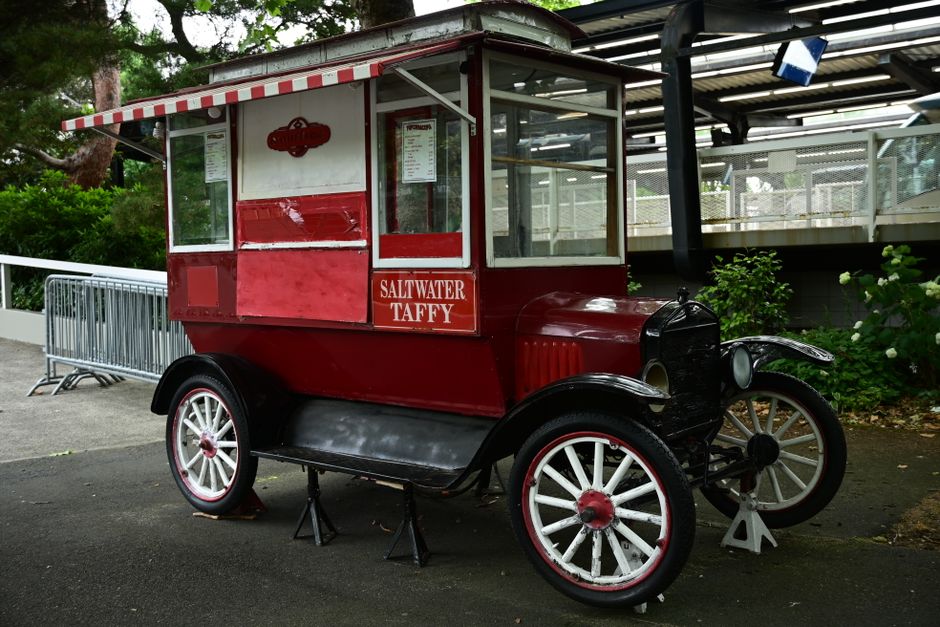
Position your kettle corn popper where it’s visible to passing foot traffic. The sight, sound, and aroma of fresh popping corn is an irresistible combination that functions as active advertising. Create a clear sightline from the front of your stand to your popping station. Many successful vendors angle their equipment slightly toward the customer area, maximizing visibility without compromising workflow.
The show matters as much as the product. Modern aluminum kettles not only perform efficiently but also create visual interest as ingredients transform into finished product. The bright, reflective surface catches eyes from a distance, while the popping action keeps customers engaged while they wait. This entertainment value reduces perceived wait times and creates memorable experiences that drive repeat business.
Cooling and staging areas need careful consideration. Fresh kettle corn requires cooling before packaging, so designate a specific zone for this step. Wire racks, cooling tables, or specialized cooling screens should be positioned between your popper and packaging station. This area should be visible enough to show your process but not cluttered enough to look disorganized.
Display your packaged products attractively. Clear containers, attractive bags, or creative packaging arrangements catch eyes and demonstrate product freshness. Some vendors create tiered displays that add height and visual interest to their stands. Pre-packaged items should be easily accessible for quick grab-and-go sales while remaining fresh and protected.
Customer Service Area Design
The interface between you and your customers deserves careful design attention. This transaction zone influences customer perception, affects service speed, and impacts your sales volume.
Your service counter should be uncluttered but functional. Keep only essential items in this zone: a cash register or payment processing device, napkins, and perhaps a tip jar. Everything else should be stored within reach but out of sight. A clean, organized counter communicates professionalism and food safety awareness.
In 2026, payment processing is multi-modal. Design your counter to accommodate cash transactions, card readers, and mobile payment options. Position your payment devices where customers can easily interact with them while maintaining a clear line of sight to you. Many customers appreciate watching their food being prepared, so avoid creating barriers that block their view of your production area.
Create a logical queue flow, even if you’re not using physical barriers. Position your menu board so approaching customers can browse while waiting. Your stand design should naturally guide customers to a service point without creating confusion about where to order or pick up products.
Consider accessibility in your design. Your counter height and approach should accommodate wheelchair users and customers of different heights. This inclusive design not only serves more customers but also demonstrates thoughtfulness that enhances your brand reputation.
Practical Considerations and Regulations
Aesthetic design must never compromise functionality, safety, or regulatory compliance. Your concession stand needs to meet health codes, safety requirements, and practical operational demands.
Food safety starts with design. Your stand needs adequate handwashing facilities, typically including a three-compartment sink for washing, rinsing, and sanitizing, plus a separate handwashing sink. Plan these elements into your design from the beginning rather than retrofitting them later. Surface materials should be food-safe, easily cleanable, and non-porous. Stainless steel is the gold standard for food preparation surfaces.
Ventilation is critical, especially when operating equipment that generates heat and steam. Proper airflow keeps your workspace comfortable, prevents moisture buildup that can damage equipment and supplies, and is often required by health regulations. Plan for overhead ventilation or fans that direct heat and steam away from your work area.
Electrical requirements vary by equipment but must be planned carefully. Your kettle corn machines, lighting, and payment processing devices all need reliable power. Work with venues to understand available power sources and plan your layout accordingly. Include surge protectors and proper cord management to prevent tripping hazards and equipment damage.
Weather protection extends your operating season and protects your investment. Canopies, awnings, or permanent roof structures shield you and your customers from sun and rain. Side panels or roll-down curtains offer protection from wind while remaining removable for optimal airflow on pleasant days.
Portable Versus Permanent Stand Design
Your business model determines whether you need a portable setup for multiple venues or a permanent installation at a single location. Each approach requires different design considerations.
Portable stands prioritize quick setup, durability, and transport efficiency. Folding tables, modular shelving, and equipment on wheels allow rapid deployment at festivals, markets, and events. Your design should enable one or two people to set up completely in under an hour. Consider investing in pop-up canopies with custom branding, collapsible counters, and equipment carts that double as storage during transport.
Weight distribution matters for portable operations. Balance your load to prevent tipping and make transportation safer. Secure all equipment during transport with straps or custom-fitted storage solutions. Many successful mobile vendors use trailer-based concession stands that arrive ready to operate, minimizing setup time and presenting a consistent, professional appearance at every location.
Permanent stands allow more elaborate design elements and can justify larger investments in custom features. Built-in storage, permanent utility connections, and architectural elements like custom woodwork or tilework create a distinctive presence. Permanent locations benefit from landscaping, exterior lighting, and weather-resistant materials that withstand year-round exposure.
Semi-permanent options offer middle ground. Seasonal locations at parks, beaches, or entertainment venues might warrant more substantial construction than a fully portable setup but less investment than a permanent building. Modular construction techniques allow you to create impressive structures that can still be relocated if needed.
Conclusion
Effective concession stand design balances visual appeal with operational efficiency, creating spaces that attract customers while supporting productive workflows. Your stand represents your brand, showcases your products, and serves as your primary business asset. Investing time and resources into thoughtful design pays dividends through increased sales, improved efficiency, and enhanced customer experiences.
In 2026’s competitive concession market, standing out requires more than just quality products—it demands a complete package where equipment, layout, branding, and customer service combine to create memorable experiences. Modern equipment like aluminum kettle corn machines elevates your operation’s appearance while delivering the performance needed for sustained success. Whether you’re launching a new vending business or refreshing an existing stand, these design principles help create a foundation for long-term profitability and growth.
Start with a clear vision of your brand identity, understand your operational needs, and design a space that serves both efficiently. The result will be a concession stand that not only sells products but builds a business.
