Starting a Street Food Business With Low Investment
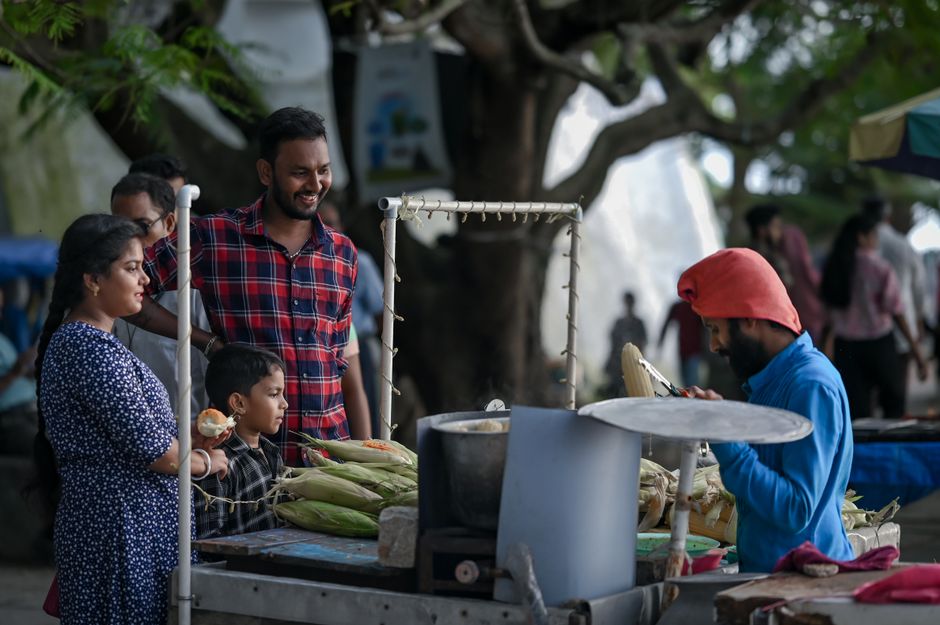
The street food industry continues to thrive in 2026, offering aspiring entrepreneurs an accessible path to business ownership. With lower overhead costs compared to traditional restaurants and flexible operating models, starting a street food business has never been more achievable. Whether you’re looking to supplement your income or build a full-time venture, the right equipment and strategy can transform your culinary dreams into reality without breaking the bank.
Why Street Food Businesses Offer Low-Investment Opportunities
Street food businesses require significantly less capital than brick-and-mortar establishments. You eliminate costly rent, extensive utilities, and large staff requirements. Instead, you focus on a mobile setup that allows you to test different locations, events, and markets before committing to permanent infrastructure.

The beauty of starting small lies in the ability to scale gradually. You can begin with a single product line, master your craft, build a customer base, and reinvest profits into expansion. This organic growth model reduces financial risk while providing valuable market feedback.
Equipment costs have become increasingly manageable in 2026. Companies like Kettle Corn Machine Company specialize in providing complete business solutions, from high-quality poppers to accessories that help you establish a professional operation from day one. Their aluminum kettle corn machines offer both performance and visual appeal, creating an engaging experience that attracts customers and justifies premium pricing.
Choosing the Right Street Food Product
Product selection determines your startup costs, profit margins, and operational complexity. Successful street food entrepreneurs focus on items that meet specific criteria: simple preparation, minimal ingredient costs, high perceived value, and broad appeal.

Kettle corn and specialty beverages like handmade lemon shakers represent ideal low-investment options. These products require limited raw materials, have extended shelf lives for unsold inventory, and deliver impressive profit margins. Kettle corn, in particular, transforms inexpensive ingredients—popcorn kernels, sugar, oil, and salt—into a premium product that commands strong prices at events, farmers markets, and festivals.
Consider your target market’s preferences. While ethnic cuisine and gourmet offerings have their place, classic American treats maintain consistent demand across demographics and seasons. According to USDA MyPlate guidelines, even indulgent snacks can fit into balanced eating patterns when consumed mindfully, and offering portion control helps customers enjoy treats responsibly.
The visual component matters tremendously. Products prepared in front of customers create entertainment value and build trust. Watching fresh kettle corn being popped in gleaming aluminum kettles generates excitement and curiosity, naturally drawing crowds and increasing sales.
Essential Equipment and Setup Costs
Your equipment investment forms the foundation of your business. Quality matters more than quantity, especially when starting out. A reliable kettle corn popper serves as your primary tool, and investing in professional-grade equipment from established manufacturers ensures consistent results and longevity.
Kettle Corn Machine Company has helped hundreds of businesses worldwide launch successfully by providing complete equipment packages designed for immediate operation. Their machines are crafted from the finest materials for fast, efficient popping, allowing you to serve more customers in less time—a critical factor at busy events where long lines can deter potential buyers.
Beyond the primary equipment, you’ll need supporting items: packaging materials, serving utensils, ingredient storage containers, and portable tables. Many entrepreneurs underestimate these auxiliary costs, but planning for them prevents budget surprises. Start with essentials and add convenience items as revenue allows.
Transportation represents another consideration. A reliable vehicle capable of safely transporting your equipment protects your investment and ensures you arrive ready to operate. Many successful vendors begin with personal vehicles before upgrading to dedicated vans or trailers as their business grows.
Licensing, Permits, and Legal Requirements
Navigating regulatory requirements varies by location but remains manageable with proper research. Most jurisdictions require food handler certifications, business licenses, and health department permits. Temporary event permits often cost less than permanent vendor licenses, making them ideal for testing your business concept.
Contact your local health department early in the planning process. Requirements for street food vendors have evolved in 2026, with many municipalities offering streamlined processes specifically for mobile food businesses. Some areas distinguish between vendors selling pre-packaged products versus those preparing food on-site, which can affect permit complexity and cost.
Liability insurance protects your business from unexpected events. While it represents an ongoing expense, affordable policies designed for mobile food vendors provide essential protection. Many event organizers require proof of insurance before allowing participation, making it a necessary investment rather than an optional expense.
Tax registration ensures compliance and professionalism. Obtain an Employer Identification Number (EIN) from the IRS, register for sales tax collection in your state, and establish a business bank account to separate personal and business finances from the start.
Finding Profitable Locations and Events
Location strategy directly impacts profitability. High foot traffic areas generate more sales, but competition and permit costs may be higher. Diversifying your venue mix balances risk and maximizes earning potential.
Farmers markets provide consistent weekly opportunities to build a loyal customer base. Vendors often develop relationships with regular shoppers who seek them out specifically. Application processes typically require advance planning, so research markets in your area and apply for the upcoming season early.
Festivals and special events offer concentrated earning potential. A single busy weekend at a well-attended festival can generate substantial revenue. Build relationships with event organizers and demonstrate reliability to secure repeat bookings. Kettle corn’s universal appeal makes it welcome at diverse events from county fairs to sports tournaments.
Private events and parties represent another revenue stream. Birthday parties, corporate gatherings, and weddings increasingly feature interactive food stations. Offering on-site kettle corn popping adds entertainment value beyond simple catering, allowing you to command premium pricing.
Strategic positioning at each venue matters as much as venue selection itself. Position yourself near entrances, exits, or high-traffic pathways. Create an attractive setup that stops people in their tracks—modern aluminum equipment naturally draws attention compared to outdated alternatives. Food Vending Cart Setup Ideas for 2026 can help you design an eye-catching and efficient mobile kitchen.
Marketing Your Street Food Business on a Budget
Effective marketing doesn’t require massive budgets. In 2026, social media platforms provide free tools to reach local customers. Create business profiles on Instagram, Facebook, and TikTok to share your location schedule, behind-the-scenes content, and customer testimonials.
Visual content drives engagement for food businesses. Short videos of kettle corn being made, the satisfying sounds of popping, and happy customers enjoying your products generate organic reach. Encourage customers to tag your business in their posts, expanding your visibility through word-of-mouth marketing.
Email marketing builds a direct communication channel with your customer base. Collect email addresses at events through simple signup sheets offering occasional discounts or location updates. Consistent communication keeps your business top-of-mind when customers plan event attendance.
Professional signage and branding differentiate you from competitors. Invest in clear, readable signs displaying your business name, product offerings, and prices. Clean, cohesive branding creates a professional impression that justifies premium pricing and builds trust.
Sampling removes purchase barriers. When introducing your business to new markets or events, offer small taste samples. Kettle corn’s addictive sweet-and-salty combination converts samplers into buyers at impressive rates, making this strategy particularly effective.
Maximizing Profitability and Scaling Your Business
Profit optimization begins with ingredient sourcing. Establish relationships with bulk suppliers to reduce per-unit costs. As your volume increases, negotiate better pricing or join purchasing cooperatives with other vendors.
Menu expansion increases average transaction values. Pairing kettle corn with handmade lemon shakers creates natural cross-selling opportunities. Customers purchasing one item frequently add a complementary product, boosting revenue without additional customer acquisition costs. Consider our Lemonade Shaker Recipe for Commercial Use to enhance your beverage offerings.
Efficient operations directly impact profitability. High-performance equipment from manufacturers like Kettle Corn Machine Company reduces preparation time, allowing you to serve more customers during peak periods. Faster service means shorter lines, which encourages more people to make purchases rather than walking away. For high-volume events, choosing the right equipment is crucial, and our guide on Choosing the Right Popcorn Machine for High Volume can help.
Track your numbers religiously. Monitor which events generate the best returns, which products sell fastest, and what times are busiest. Data-driven decisions eliminate guesswork and help you focus resources on the most profitable opportunities.
Scaling options include adding equipment to serve multiple events simultaneously, hiring staff to operate additional locations, or diversifying into wholesale accounts with local businesses. Growth should be strategic rather than rushed, ensuring you maintain quality and profitability at each stage.
Conclusion
Starting a street food business with low investment offers a viable path to entrepreneurship in 2026. By choosing products with strong margins like kettle corn, investing in quality equipment from trusted manufacturers, and strategically building your customer base, you can establish a profitable venture without excessive capital requirements. The combination of minimal overhead, flexible operations, and scalable growth potential makes street food an attractive option for aspiring business owners. Focus on delivering exceptional products, creating memorable customer experiences, and continuously refining your operations. With dedication and smart planning, your street food business can transform from a modest startup into a thriving enterprise that provides financial independence and personal satisfaction.
