Food Vending Cart Setup Ideas for 2026
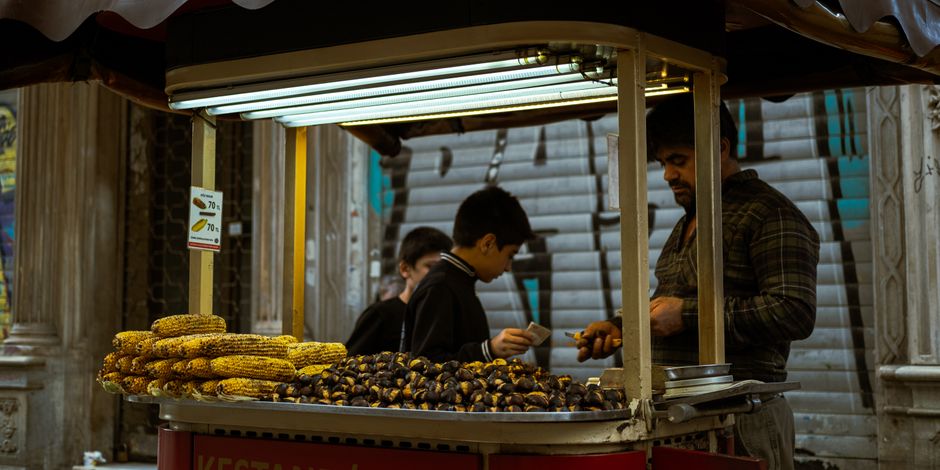
Starting a food vending cart business offers incredible flexibility and lower overhead compared to traditional brick-and-mortar restaurants. Whether you’re considering kettle corn, lemonade, or other popular street foods, the right setup can make the difference between a thriving business and one that struggles to attract customers. In 2026, successful vendors understand that their cart setup must balance functionality, visual appeal, and operational efficiency.
Your food vending cart serves as your mobile storefront, production facility, and brand ambassador all in one. This comprehensive guide explores essential setup ideas that will help you create a professional, efficient, and profitable vending operation that stands out in competitive markets.
Essential Equipment Layout and Organization
The foundation of any successful food vending cart is a well-organized equipment layout. Every square inch of your cart real estate matters, so strategic placement of your production equipment, serving area, and storage is critical. Your equipment should follow a logical workflow that minimizes movement and maximizes efficiency during peak business hours.
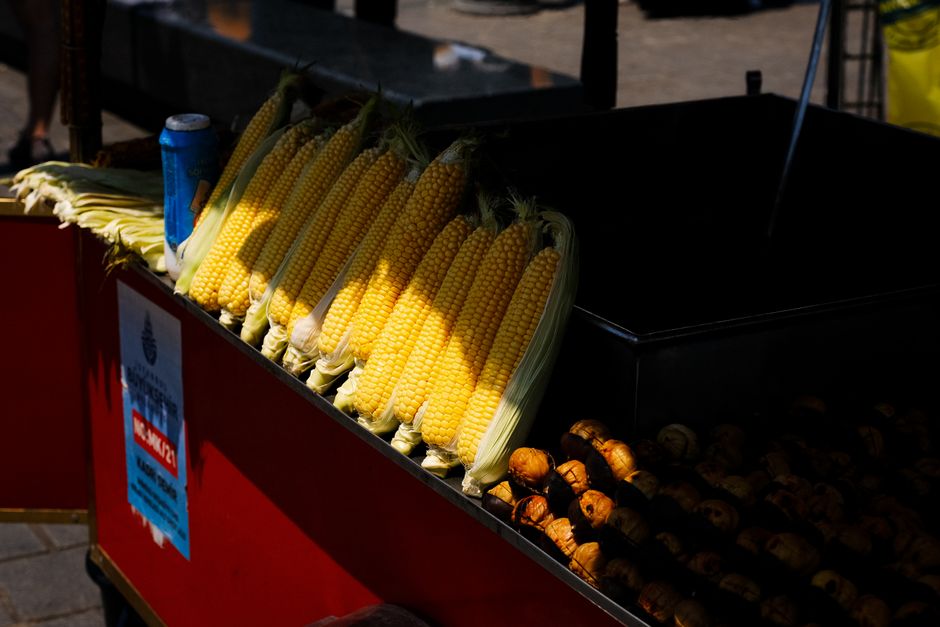
For kettle corn operations, positioning your popper as a focal point creates visual interest and draws customers with the enticing aroma and theatrical popping action. Modern aluminum kettle corn machines offer superior performance and aesthetic appeal compared to older models, giving customers a memorable show while you produce fresh batches. Place your kettle where customers can watch the process while maintaining safe distances from hot equipment.
Storage compartments should be easily accessible but not interfere with your production flow. Dedicate specific areas for ingredients, packaging materials, cash handling, and point-of-sale equipment. Vertical storage solutions maximize space without cluttering your working area. Consider installing shelving units, hanging racks, or magnetic strips to keep frequently used tools within arm’s reach.
Your serving counter should be at a comfortable height for both you and your customers, typically between 36 and 42 inches. This area needs enough space to display products, accept payments, and hand items to customers without creating bottlenecks during busy periods.
Visual Branding and Attraction Strategies
Your vending cart’s visual presentation is your most powerful marketing tool. In crowded events, festivals, and farmers markets, you need to capture attention from dozens of feet away. A cohesive, professional brand identity transforms your cart from just another vendor into a memorable destination.
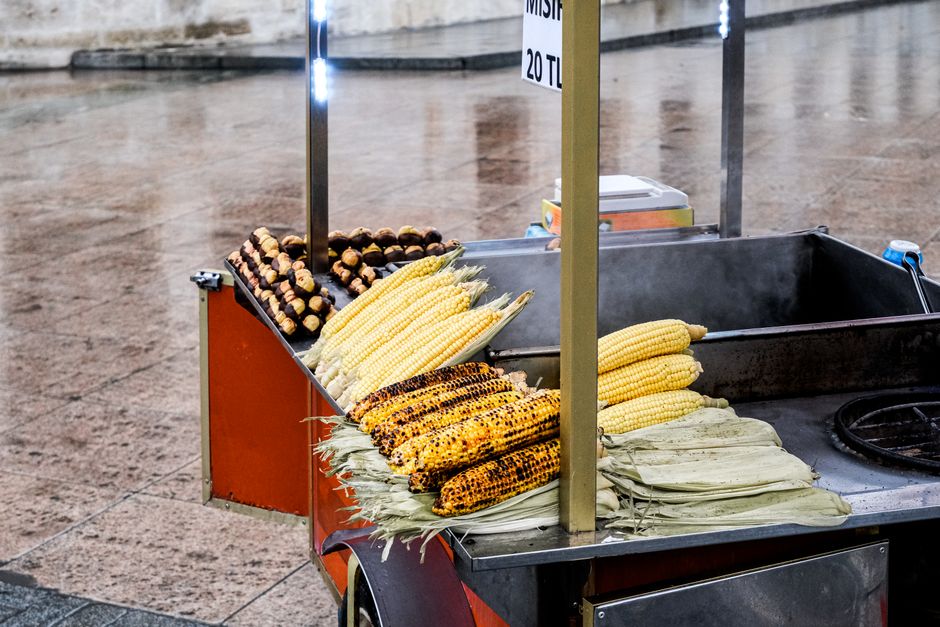
Start with bold, eye-catching signage that clearly communicates what you sell. Your business name should be visible from multiple angles, ideally in fonts large enough to read from at least 20 feet away. Bright colors that contrast with your surroundings help your cart stand out, but ensure they align with your brand personality and the products you sell.
Lighting serves dual purposes in cart setup. During daytime operations, strategic lighting highlights your products and menu boards. For evening events, proper illumination becomes essential for safety and visibility. LED strip lights offer energy efficiency and can be arranged to create ambiance while showcasing your offerings. Consider uplighting for signage and task lighting for your work area.
The equipment itself can be part of your attraction strategy. Polished, well-maintained aluminum equipment reflects light beautifully and conveys cleanliness and professionalism. When customers can see their treats being freshly made on gleaming equipment, it builds trust and reinforces quality perceptions.
Display your products prominently. Clear containers showing colorful kettle corn, fresh lemonade in transparent dispensers, or attractively arranged samples create desire and help customers make quick purchasing decisions.
Mobility and Setup Efficiency
The ability to set up and break down quickly can mean the difference between securing premium locations and missing opportunities. In 2026, successful vendors have refined their setup process to minimize time while ensuring safety and compliance.
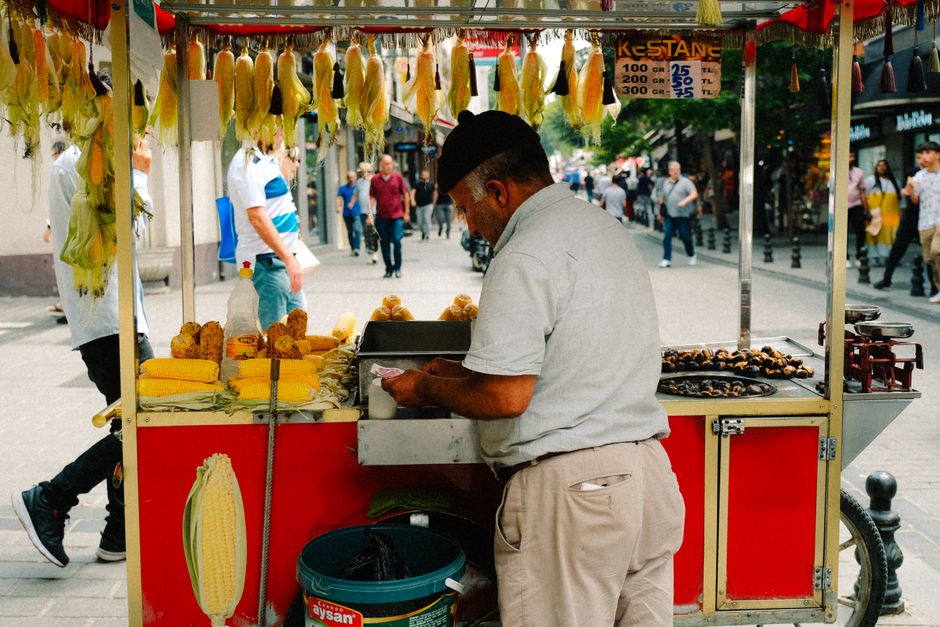
Wheel selection significantly impacts your cart’s maneuverability. Heavy-duty casters with locks provide stability during operation while allowing easy movement across various terrain types. Consider pneumatic wheels for outdoor events on grass or uneven surfaces, while solid rubber wheels work well for pavement and indoor venues.
Design your cart with a logical load-in and load-out sequence. Items you need first during setup should be accessible without removing everything else. Many successful vendors use color-coded bins or numbered containers to streamline the process. Create a written checklist for both setup and breakdown to ensure nothing gets forgotten, especially safety equipment and permits.
Power requirements demand careful planning. Battery-powered equipment offers maximum flexibility, while propane provides reliable heat for cooking operations. If electrical hookups are available at your regular venues, ensure you have properly rated extension cords and surge protection. Always have backup power solutions for equipment critical to your operation.
Water access and waste management systems must be incorporated into your cart design. Portable water tanks for hand washing and food preparation should meet local health department requirements. Similarly, plan for gray water collection and trash disposal in compliance with regulations in your operating area.
Climate Control and Weather Protection
Operating outdoors means confronting weather challenges head-on. Your cart setup should protect both your products and your working comfort in various conditions. Smart vendors prepare for everything from intense sun to unexpected rain.
Canopies and umbrellas extend your operating season and protect customers during transactions. Commercial-grade pop-up tents with weighted bases withstand wind better than consumer models. Ensure adequate ventilation under your canopy, especially when operating cooking equipment. Heat and steam buildup can create uncomfortable working conditions and potentially damage electronic equipment.
For hot weather operations, consider installing battery-powered fans to keep air circulating. Insulated containers maintain product quality and reduce ice consumption for cold beverages. In cold weather, radiant heaters can keep your work area comfortable without creating fire hazards, though always verify venue policies before using heating equipment.
Protect your equipment from the elements during transport and storage. Waterproof covers prevent rust and damage, extending the life of your investment. Climate-controlled storage is ideal, but if that’s not available, ensure good air circulation to prevent moisture buildup and mold.
Safety and Compliance Considerations
Food safety isn’t optional—it’s fundamental to your business survival and customer wellbeing. Your cart setup must facilitate proper food handling practices while meeting all applicable health codes and regulations.
Hand washing stations are required in most jurisdictions. Whether you install a three-compartment sink system or use portable hand washing units, ensure they’re easily accessible and stocked with soap, paper towels, and waste receptacles. Position these where you can use them frequently without disrupting workflow.
Temperature control equipment protects food quality and customer safety. Thermometers should be visible and calibrated regularly. Cold items need to stay below 40°F, while hot items must remain above 140°F. Invest in quality coolers and warming equipment that maintains proper temperatures throughout your operating hours.
Fire safety equipment must be readily accessible. Have appropriate fire extinguishers rated for grease fires if you’re cooking, and ensure everyone operating the cart knows how to use them. First aid kits should be fully stocked and easily located.
Your cart setup should facilitate easy cleaning and sanitization. Stainless steel surfaces wipe down easily and resist bacteria. Design your layout so you can access all surfaces for thorough cleaning between events. Consider food safety guidelines from health authorities to ensure your practices meet or exceed standards.
Point of Sale and Customer Interaction Space
The customer-facing portion of your cart deserves special attention. This space shapes first impressions and directly impacts sales efficiency. In 2026, successful vendors blend technology with personal service to create smooth transaction experiences.
Modern point-of-sale systems accept multiple payment types, track inventory, and provide valuable sales data. Mobile card readers work well for small operations, while dedicated POS tablets offer more features for growing businesses. Position these devices where you can easily process payments without blocking product visibility or customer flow.
Menu boards should be clear, well-lit, and positioned where customers can read them while waiting in line. List prices prominently to reduce questions and speed decision-making. Consider digital displays for dynamic pricing or promotional messages, though static boards work perfectly well for straightforward menus.
Create a comfortable queuing space that doesn’t block foot traffic. Floor markers or stanchions guide customers and prevent congestion. During slower periods, an inviting setup encourages browsing and impulse purchases.
Sample offerings can dramatically increase sales, especially for specialty items like kettle corn where the fresh taste sells itself. Designate a small area for samples that’s sanitary and accessible. Small cups or napkins for sampling should be easily replenished during busy periods.
Consider nutritional information display requirements in your area. While regulations vary by location, transparency about ingredients builds customer trust. Resources like nutrition guidance from USDA can help you understand general healthy eating principles, though specific nutritional calculations should come from professional analysis of your recipes.
Conclusion
Building an effective food vending cart setup requires thoughtful planning across multiple dimensions—from equipment placement and workflow optimization to branding, safety, and customer experience. The most successful vendors in 2026 recognize that their cart is more than just a place to sell food; it’s a complete business system that must work efficiently under varied conditions while creating memorable customer experiences.
Start with quality equipment that will perform reliably and present well. High-performance machines not only produce better products but also create visual interest that attracts customers. Organize your space logically, prioritizing both operational efficiency and customer flow. Invest in strong branding that makes your cart instantly recognizable and memorable.
Remember that your setup will evolve as you gain experience and understand what works best for your specific products, locations, and customer base. Stay flexible, gather customer feedback, and continuously refine your approach. Whether you’re popping kettle corn, serving lemonade, or offering other treats, the right cart setup lays the foundation for a thriving vending business that stands out in any market. If you’re considering starting a mobile food business, a well-planned setup is your first step to success.
