
Starting a Mobile Food Business in 2026
The mobile food industry continues to thrive in 2026, offering entrepreneurs an accessible entry point into the world of food service. Whether you’re dreaming of serving kettle corn at festivals, crafting fresh lemonade at farmers markets, or operating a full-service food truck, starting a mobile food business requires careful planning, quality equipment, and dedication to your craft. This comprehensive guide walks you through everything you need to know to launch and grow a successful mobile food venture.
Why Choose a Mobile Food Business
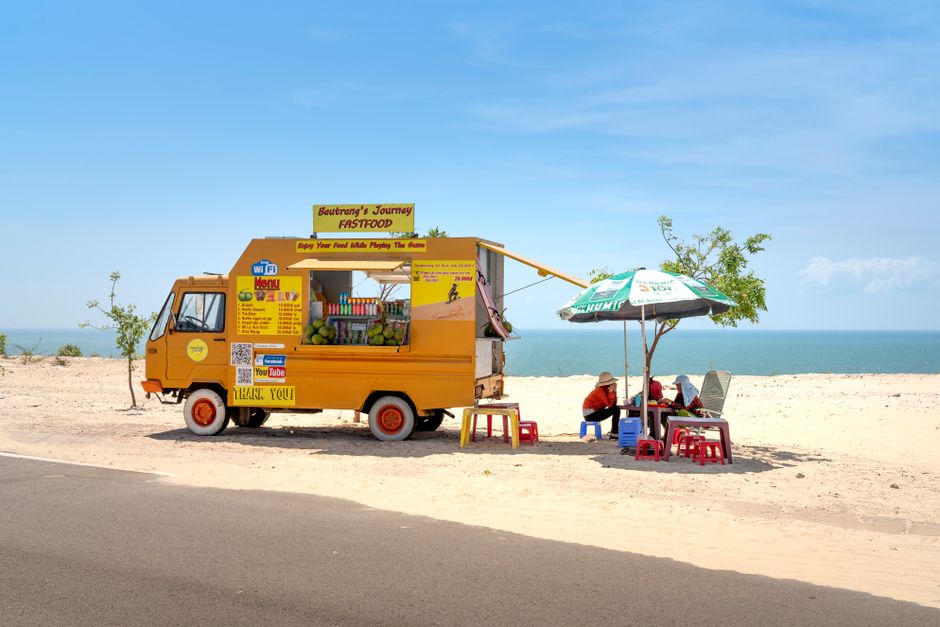
Mobile food businesses offer distinct advantages over traditional brick-and-mortar restaurants. The startup costs are significantly lower, with many entrepreneurs launching successful operations for a fraction of what a restaurant requires. You gain incredible flexibility in choosing your locations, allowing you to follow high-traffic events, festivals, sporting events, and community gatherings where your target customers congregate.

The overhead expenses remain minimal compared to fixed-location restaurants. You avoid long-term lease commitments, extensive utility bills, and the costs associated with maintaining a permanent facility. This financial flexibility enables you to test different markets, adjust your offerings based on customer feedback, and pivot your business strategy without the constraints of a fixed location.
Another compelling advantage is the ability to build direct relationships with your customers. When you’re serving food face-to-face at events and markets, you create memorable experiences and foster loyal followings. Your customers remember the friendly face behind the counter, the aroma of fresh-popped kettle corn, or the taste of handcrafted lemonade on a hot summer day.
Essential Planning and Legal Requirements
Before you start popping your first batch of kettle corn or mixing your first lemonade, you need to navigate the legal landscape. Research your local health department requirements thoroughly, as regulations vary significantly by county and state. Most jurisdictions require food handler certifications for anyone preparing or serving food, along with regular health inspections of your mobile unit.

Obtain the necessary business licenses and permits for your area. This typically includes a general business license, a mobile food vendor permit, and possibly a temporary food establishment permit for special events. Many municipalities also require seller’s permits for collecting sales tax. Don’t overlook insurance—you’ll need general liability coverage at minimum, and many venues require proof of insurance before allowing you to operate on their premises.
Create a detailed business plan that outlines your target markets, competitive analysis, pricing strategy, and financial projections. Even for a mobile food business, understanding your costs and revenue potential is crucial for long-term success. Factor in equipment purchases, ingredient costs, transportation expenses, permit fees, and marketing investments when calculating your startup capital requirements.
Choosing Your Niche
Specialization helps you stand out in crowded markets. Kettle corn and lemonade represent an excellent niche combination—the sweet and salty popcorn pairs perfectly with refreshing citrus drinks, creating a natural upsell opportunity. This pairing works exceptionally well at outdoor events where customers seek convenient, enjoyable treats.
Research your local market to identify gaps and opportunities. Visit farmers markets, festivals, and sporting events to observe which vendors succeed and which struggle. Take note of what’s missing—perhaps your area lacks a quality kettle corn vendor or needs fresh-squeezed lemonade options that emphasize natural ingredients.
Selecting the Right Equipment
Your equipment represents the foundation of your mobile food business. Quality matters immensely—reliable, efficient equipment means faster service, consistent products, and fewer breakdowns during crucial revenue-generating events. When choosing kettle corn machines, prioritize those crafted from premium materials like aluminum that offer both durability and visual appeal.
Modern aluminum kettle corn machines provide significant advantages over traditional black kettles. They heat more efficiently, reducing propane costs and cooking times. The polished aluminum creates an attractive display that draws customers and adds entertainment value as they watch their kettle corn being prepared fresh. This “theater” aspect of food preparation significantly boosts sales, as the sights, sounds, and aromas create irresistible appeal.
Consider the capacity and portability of your equipment. If you’re serving large festivals, you need machines that can produce high volumes quickly during peak hours. For smaller markets, compact equipment that’s easy to transport and set up becomes more important. Look for manufacturers who provide comprehensive support, training, and spare parts availability—this support proves invaluable when you’re starting out and learning the nuances of your craft.
Beyond the primary cooking equipment, invest in proper storage containers, serving supplies, point-of-sale systems, and transportation solutions. A professional setup with organized displays, clear signage, and efficient workflow design helps you serve customers quickly while maintaining food safety standards. For a complete setup, consider a Full Concession Stand Equipment Package tailored to your needs.
Sourcing Quality Ingredients
Your ingredients directly impact your product quality and profitability. Establish relationships with reliable suppliers who can provide consistent ingredients at competitive prices. For kettle corn, you’ll need popcorn kernels, oil, sugar, and salt—but the quality variations between suppliers can significantly affect your final product.
For lemonade operations, fresh lemons and quality sweeteners make all the difference. Customers increasingly appreciate natural ingredients and transparency about what goes into their food and beverages. According to USDA MyPlate guidelines, using whole fruits and minimizing added sugars aligns with healthier eating patterns that many consumers seek in 2026.
Calculate your cost per serving carefully. Understanding your ingredient costs allows you to price products profitably while remaining competitive. Buy in bulk when possible, but balance bulk purchasing against storage limitations and ingredient freshness requirements. Remember that slightly higher ingredient costs often justify premium pricing when you’re offering demonstrably superior products. Make sure to check out our Popcorn and Lemonade Business Supplies Guide for recommendations.
Marketing Your Mobile Food Business
Effective marketing starts before you even open for business. Create a memorable brand identity with a catchy business name, appealing logo, and consistent visual design across all materials. Your mobile setup itself serves as a powerful marketing tool—invest in attractive banners, signs, and displays that catch attention from a distance.
Social media platforms remain essential for mobile food businesses in 2026. Maintain active profiles where you share your event schedule, post mouthwatering photos, and engage with your customer community. Use location tags and relevant hashtags to reach people searching for food options in specific areas. Encourage customers to tag your business in their posts, creating user-generated content that serves as authentic testimonials.
Build an email list from day one. Collect customer emails through promotional offers or loyalty programs, then send regular updates about your schedule, special promotions, and new offerings. Email marketing provides direct communication with customers who have already demonstrated interest in your products.
Network within your local business community. Join your chamber of commerce, attend vendor meetings at farmers markets, and connect with event organizers. These relationships lead to prime location opportunities and valuable word-of-mouth referrals. Many successful mobile food businesses credit their growth to strong relationships with event coordinators who invite them to lucrative venues.
Building Customer Loyalty
Exceptional customer service transforms first-time buyers into repeat customers and brand advocates. Train yourself and any employees to greet customers warmly, work efficiently, and handle special requests graciously. Remember that in the mobile food business, you’re selling an experience as much as a product.
Implement a simple loyalty program—perhaps a punch card offering a free item after a certain number of purchases. These programs encourage repeat business and provide additional touchpoints with customers. Consider seasonal specials or limited-time flavors that create urgency and give loyal customers reasons to return frequently.
Growing Your Mobile Food Business
Once you’ve established consistent operations and built a customer base, explore expansion opportunities. Many successful mobile food entrepreneurs eventually add multiple units, hire staff, and book several events simultaneously. Others expand their product lines, adding complementary items that capitalize on their existing customer relationships and operational expertise.
Track your performance metrics religiously. Monitor which events generate the best revenue, what times of day see peak sales, which products sell fastest, and what your actual profit margins are after all expenses. This data drives informed decisions about where to invest your time and resources for maximum return.
Consider diverse revenue streams beyond public events. Many mobile food vendors supplement festival income with private bookings for corporate events, weddings, birthday parties, and school functions. These private events often provide higher profit margins and more predictable scheduling than public venues.
Invest in your skills and knowledge continuously. Attend industry conferences, join professional associations, and learn from successful operators in other markets. The mobile food industry evolves constantly, with new equipment, techniques, and marketing strategies emerging regularly. Staying informed helps you maintain your competitive edge.
Conclusion
Starting a mobile food business in 2026 offers tremendous opportunity for entrepreneurs willing to invest effort, planning, and passion into their venture. Success requires more than just great-tasting food—you need quality equipment, proper permits, effective marketing, and dedication to exceptional customer experiences. Whether you’re specializing in kettle corn and lemonade or pursuing another mobile food niche, the fundamentals remain consistent: understand your market, deliver outstanding products, build meaningful customer relationships, and operate with professionalism and integrity. With the right preparation and equipment from trusted manufacturers, your mobile food business can provide both financial rewards and the satisfaction of bringing joy to customers at every event you serve. The journey from planning to profitability takes persistence, but the flexibility and growth potential make mobile food businesses an attractive path for aspiring food entrepreneurs.
