Portable Popcorn Business Setup Guide
Starting a portable popcorn business offers an exciting opportunity to generate income while bringing joy to customers at farmers markets, festivals, sporting events, and community gatherings. The aroma of freshly popped kettle corn draws crowds, and with the right setup, you can build a thriving mobile concession business. This comprehensive guide walks you through everything you need to know about launching and operating a successful portable popcorn venture in 2026.
Essential Equipment for Your Mobile Popcorn Operation
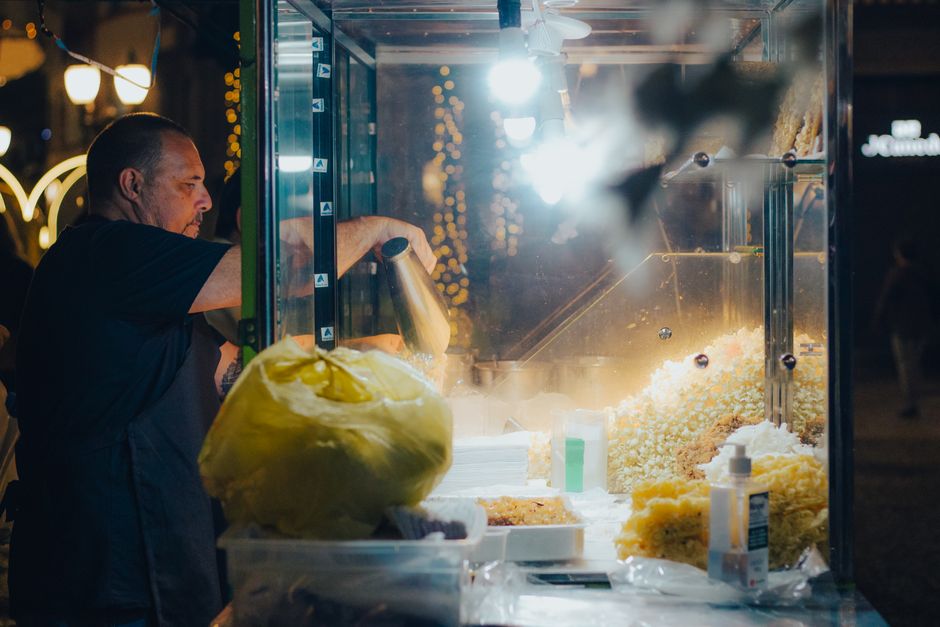
The foundation of any successful portable popcorn business lies in having the right equipment. Your primary investment will be a high-quality kettle corn popper that can produce consistent, delicious results batch after batch. Modern aluminum kettle corn machines offer superior performance compared to traditional black kettles, providing not only faster popping times but also creating an entertaining visual experience for customers.

Beyond the popper itself, you’ll need supporting equipment including propane tanks and regulators, serving utensils, pre-portioned bags for product packaging, and protective gear like heat-resistant gloves. A sturdy folding table creates your workspace, while a canopy tent provides weather protection and shade for both you and your equipment. Storage containers for corn kernels, sugar, salt, and oil keep your ingredients organized and protected from the elements.
Consider investing in a handcart or dolly to transport equipment efficiently. A cash box or mobile payment processing system is essential for handling transactions smoothly. Display signage featuring your business name, menu items, and pricing helps attract customers and communicates professionalism. Many successful operators also add a lemonade station, offering refreshing handmade beverages that complement the sweet and salty popcorn perfectly.
Choosing the Perfect Location Strategy
Location selection directly impacts your daily sales and long-term business success. Research high-traffic venues in your area including farmers markets, craft fairs, outdoor concerts, youth sports tournaments, and community festivals. Each location type offers different advantages: farmers markets provide regular weekly income, while larger festivals generate substantial single-day revenue.

Build relationships with event organizers early in the planning season, as many popular venues book vendors months in advance. Some locations operate on a first-come-first-served basis, while others require applications and fees. Understand the vendor requirements for each venue, including insurance minimums, health permits, and exclusivity agreements that might prevent other popcorn vendors from competing at the same event.
Evaluate each potential location based on foot traffic volume, demographic match with your product, vendor fees, required operating hours, and proximity to your home base. Create a seasonal calendar identifying peak opportunities throughout the year. Many operators find success following warm-weather events in spring and summer, then transitioning to holiday markets and indoor venues during fall and winter months.
Legal Requirements and Permits
Operating a food concession business requires compliance with various regulations at local, state, and potentially federal levels. Start by researching cottage food laws in your state, as some jurisdictions classify kettle corn under simplified regulatory frameworks. Most locations require a business license, food handler’s permit, and temporary food establishment permit for each operating venue.

Contact your local health department to understand specific requirements for portable food operations. Expect inspections of your equipment, food handling procedures, and sanitation practices. Some jurisdictions require commissary kitchen access for food preparation, while others allow home-based operations for products like kettle corn that are prepared and consumed immediately.
General liability insurance protects your business from potential claims related to customer injury or property damage. Many event organizers require proof of insurance with minimum coverage amounts, typically starting at one million dollars per occurrence. Consider product liability coverage as well. Consult with an insurance agent experienced in mobile food service to ensure adequate protection.
Register your business structure, whether sole proprietorship, LLC, or corporation, and obtain an Employer Identification Number from the IRS. Even if you operate solo initially, proper business formation provides liability protection and legitimizes your operation. Open a dedicated business bank account to separate personal and business finances, simplifying bookkeeping and tax preparation.
Perfecting Your Product and Pricing
Quality and consistency differentiate successful popcorn businesses from competitors. Develop standardized recipes and popping procedures that deliver the same delicious product every time. Practice achieving the perfect balance of sweetness and saltiness that keeps customers coming back. Fresh popping throughout the day ensures maximum flavor and aroma, which serves as your best marketing tool.
Pricing strategy balances profitability with market competitiveness. Research what other vendors charge at similar venues, then calculate your costs including ingredients, propane, bags, permits, and labor. Most kettle corn businesses operate on a 75-85% profit margin when properly managed. Standard pricing typically ranges from six to ten dollars for medium bags, with larger sizes commanding premium prices.
Consider offering variety flavors beyond traditional kettle corn, such as cheddar cheese, caramel, or seasonal specialties like pumpkin spice or peppermint during holidays. Adding lemonade or other beverages creates additional revenue streams and increases average transaction values. Pre-made combo deals encourage customers to purchase multiple items while simplifying decision-making.
Marketing Your Mobile Concession Stand
Effective marketing begins with creating a memorable brand identity. Design an eye-catching logo and color scheme that translates well across signage, packaging, and online platforms. Professional-looking materials communicate quality and build customer trust. Your physical setup should be clean, organized, and inviting, creating a positive first impression.
Social media platforms provide cost-effective marketing channels for announcing upcoming locations, showcasing product photos, and engaging with customers. Post regular updates on Facebook, Instagram, and local community groups to build a following. Share behind-the-scenes content showing your popping process, which builds authenticity and connection with your audience.
Collect customer contact information through email signup sheets or loyalty programs. Email newsletters keep your business top-of-mind and announce upcoming events where you’ll be vending. Offer first-time customer discounts or promotional codes to encourage initial purchases. Word-of-mouth referrals remain powerful, so deliver exceptional product quality and customer service that inspires recommendations.
Partner with local businesses, schools, and organizations for fundraising opportunities. Private events like birthday parties, corporate gatherings, and weddings provide additional income sources beyond public vending. While maintaining physical fitness during long event days is important, just as resources like CDC physical activity guidelines emphasize regular movement, your business allows you to stay active while earning income.
Scaling Your Popcorn Business
Once you’ve established consistent operations and profitability, consider expansion opportunities. Adding a second unit allows you to operate multiple locations simultaneously or hire employees to staff additional shifts. Some operators build routes covering different events throughout the week, maximizing equipment utilization and revenue potential.
Wholesale opportunities include supplying pre-bagged kettle corn to retail stores, coffee shops, or office break rooms. This creates passive income streams requiring less time than event vending. Seasonal opportunities around holidays often generate substantial orders from corporate clients seeking employee gifts or customer appreciation items.
Equipment upgrades improve efficiency as your business grows. Larger capacity kettles reduce popping time during high-volume events. Investing in premium popcorn business equipment creates a professional appearance that justifies premium pricing. Quality equipment built with the finest materials ensures reliability during critical high-traffic periods when mechanical failures would result in lost revenue.
Track key performance metrics including sales per event, most profitable locations, peak seasons, and customer preferences. This data informs strategic decisions about where to invest time and resources. Many successful operators eventually transition from part-time side businesses to full-time operations generating substantial annual income.
Conclusion
Building a portable popcorn business requires careful planning, quality equipment, and dedication to customer satisfaction. Starting with the right foundation—including a reliable kettle corn popper designed for both performance and visual appeal—sets you up for long-term success. Focus on consistent product quality, strategic location selection, and professional presentation to differentiate your business from competitors. The relatively low startup costs and high profit margins make this an accessible opportunity for entrepreneurs seeking flexible income. With persistence and attention to detail, your portable popcorn operation can grow from a weekend side business into a thriving full-time venture serving communities throughout your region.
