
Concession Stand Setup Cost Guide
Starting a concession stand business offers an exciting opportunity to generate income at events, festivals, farmers markets, and community gatherings. Whether you’re considering launching a kettle corn operation, lemonade stand, or multi-product concession business, understanding the complete setup costs is essential for success. This comprehensive guide breaks down every expense you’ll encounter when starting your concession stand in 2026.
Initial Equipment Investment
Your primary investment centers on the equipment needed to produce and serve your products. For a kettle corn concession business, the kettle corn popper represents your most significant purchase. Professional-grade kettle corn machines range from $1,500 to $5,000, depending on capacity, construction materials, and features. Modern aluminum kettle corn poppers offer superior performance and aesthetic appeal compared to traditional black kettles, giving customers a memorable visual experience while you pop.
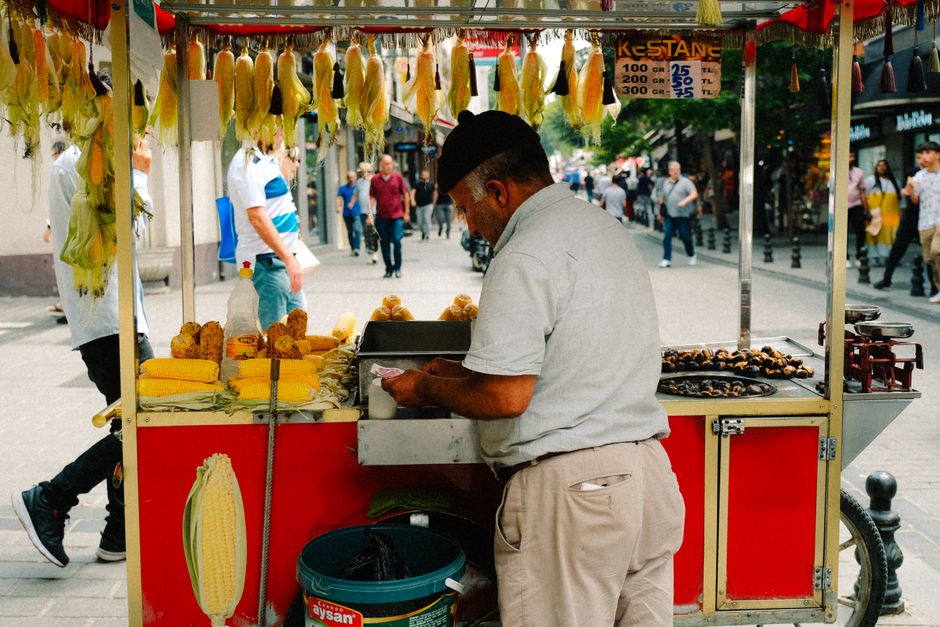
Beyond the main popper, you’ll need essential accessories including a propane burner system ($200-$500), stainless steel utensils for stirring and scooping ($50-$150), a fire extinguisher ($40-$100), and ingredient storage containers ($100-$300). If you’re adding lemonade or other beverages to your concession offerings, budget for commercial-grade beverage dispensers ($150-$400 each), coolers or refrigeration units ($200-$800), and serving supplies.
Quality equipment from established manufacturers pays dividends through reliability, efficiency, and longevity. Investing in durable, high-performance machinery minimizes downtime and repair costs while ensuring consistent product quality that keeps customers returning.
Stand Structure and Display Setup
Your concession stand structure significantly impacts both functionality and customer appeal. Options range from pop-up tents to custom-built trailers, each with distinct cost implications. A professional 10×10 commercial-grade canopy tent with sidewalls costs $300-$800, providing basic weather protection and portability. For expanded operations, a 10×20 tent runs $600-$1,500.
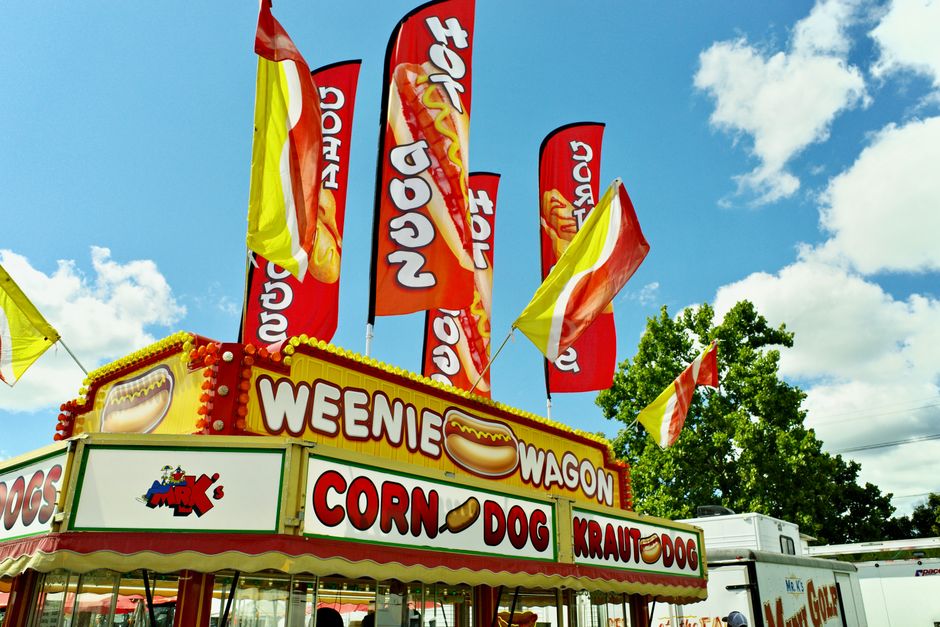
Many successful operators upgrade to concession trailers after establishing their business. A used concession trailer typically costs $5,000-$15,000, while new custom trailers range from $15,000-$50,000 depending on size and built-in features. Trailers offer superior weather protection, increased storage, and built-in electrical and plumbing systems, though they require appropriate towing vehicles and storage facilities.
Display elements enhance visual appeal and operational efficiency. Folding tables ($50-$150 each), attractive signage ($200-$1,000), menu boards ($50-$300), and decorative elements like string lights or banners ($100-$400) help attract customers and communicate your brand. According to business research from the American College of Sports Medicine, active event attendees seek convenient refreshment options, making an inviting setup crucial for capturing customer attention.
Licensing, Permits, and Insurance
Legal compliance represents a non-negotiable investment before launching your concession business. Required permits vary by location but typically include a business license ($50-$400 annually), food handler’s permits ($15-$50 per employee), and health department permits ($100-$1,000 annually depending on jurisdiction and inspection requirements).

Many events, farmers markets, and festivals require vendor-specific permits or booth fees ranging from $25-$500 per event. Research requirements for your target venues early, as application processes sometimes take weeks or months. Some locations mandate commissary agreements or commercial kitchen access, adding $200-$600 monthly to operating costs.
Liability insurance protects your investment and provides peace of mind. General liability coverage for concession businesses typically costs $400-$1,200 annually for $1-2 million in coverage. Some venues require additional insured endorsements or higher coverage limits, potentially increasing premiums. Property insurance for equipment and inventory adds $200-$600 annually depending on declared values.
Inventory and Supply Costs
Initial inventory investment varies based on your expected sales volume and product variety. For a kettle corn business, budget $300-$800 for startup ingredient inventory including popcorn kernels, sugar, salt, oil, and flavoring ingredients. Packaging supplies—bags, labels, twist ties, and boxes—require another $200-$500 initially.
Lemonade operations need fresh lemons, sugar, water, ice, and cups with lids and straws. Initial beverage inventory typically runs $150-$400. Smart operators establish relationships with wholesale suppliers or warehouse clubs to minimize ongoing costs and ensure consistent ingredient availability.
Propane fuel is a recurring expense for kettle corn operations. A standard 20-pound propane tank costs $15-$25 to refill and typically supports 50-100 batches depending on your kettle size and cooking efficiency. Stock at least two tanks to avoid mid-event outages.
Packaging and Presentation Materials
Professional packaging differentiates your products and justifies premium pricing. Custom-printed bags with your logo and branding cost $0.15-$0.40 per bag in bulk quantities. Clear cellophane bags offer lower costs ($0.05-$0.15 each) but provide less marketing impact. Biodegradable or compostable packaging options appeal to environmentally conscious customers but command premium prices of $0.20-$0.50 per unit.
Business cards, promotional flyers, and branded stickers support marketing efforts and encourage repeat business. Budget $100-$300 for initial marketing materials. Weather-resistant signage displaying prices, product descriptions, and accepted payment methods improves customer experience and transaction efficiency.
Transportation and Storage Considerations
Transporting equipment to events requires appropriate vehicles. If you’re operating with tent-based setups, a standard pickup truck or SUV typically suffices. Trailer operations necessitate vehicles with adequate towing capacity—factor in vehicle costs if your current transportation can’t accommodate your concession setup.
Secure storage protects your investment between events. Options include home garages (no additional cost if available), rented storage units ($50-$200 monthly depending on location and size), or commercial commissary spaces that combine storage with food preparation facilities. Climate-controlled storage protects sensitive equipment from temperature extremes and humidity damage.
Transportation accessories including tie-down straps, dollies, hand trucks, and protective covers cost $100-$400 but prevent equipment damage and streamline setup and breakdown processes. Some operators invest in enclosed trailers ($3,000-$8,000 used, $8,000-$20,000 new) to secure equipment during transport and eliminate repeated loading and unloading.
Operating Capital and Cash Management
Beyond physical setup costs, maintain adequate working capital for initial expenses before revenue flows consistently. Budget for your first month’s supplies, permit fees, insurance premiums, and marketing expenses—typically $1,000-$3,000 depending on your scale.
Modern payment processing is essential as cashless transactions dominate in 2026. Mobile card readers from Square, PayPal, or similar services charge 2.6-3.5% per transaction plus minimal equipment costs ($0-$50 for basic readers, $300-$800 for advanced terminals). Include payment processing fees when calculating profit margins.
A cash box with adequate starting change ($200-$300 in small bills and coins) serves cash-preferring customers. While the CDC emphasizes physical activity at community events, concession operators know active participants appreciate quick, convenient payment options that get them back to activities promptly.
Total Investment Summary
A basic tent-based kettle corn concession stand with essential equipment requires approximately $3,000-$6,000 in initial investment. Mid-range setups with enhanced equipment, professional signage, and expanded product offerings typically cost $6,000-$12,000. Premium operations with custom trailers or extensive equipment packages may require $15,000-$30,000 or more.
These figures represent starting costs; ongoing expenses include inventory replenishment, propane, event fees, insurance, permits, and maintenance. Successful operators carefully track all expenses and continuously refine operations to maximize profitability. According to the NHS’s guidance on active living, community events promoting wellness continue growing in popularity, creating excellent opportunities for concession businesses serving these gatherings.
Starting small allows you to test markets, refine recipes, and develop operational systems before expanding. Many successful concession businesses began with modest tent setups and gradually upgraded equipment as revenue supported growth. Quality equipment from experienced manufacturers ensures reliability during critical early operations when building your reputation.
Conclusion
Understanding concession stand setup costs enables realistic planning and informed decision-making as you launch your business. While initial investment ranges from a few thousand dollars to $30,000-plus depending on scale and equipment choices, the kettle corn and beverage concession industry offers excellent profit potential with relatively modest startup requirements compared to brick-and-mortar food establishments.
Prioritize quality equipment that delivers consistent performance, secure all required permits and insurance, and maintain adequate working capital for smooth operations. Research your target markets, understand customer preferences, and choose high-quality suppliers who support your success. With careful planning, quality equipment, and commitment to excellence, your concession stand business can thrive at festivals, markets, and events throughout your community and beyond.
